Printed & Advertising Materials for Real Estate Developers – Does It Work?
Do printed and advertising materials for real estate developers still work? See how to use flyers, brochures, and billboards to boost property investment sales.
Do printed materials for real estate developers still work?
Yes. But not in a "print = lead" kind of way.
A flyer won’t sell a home. A billboard won’t close a sale.
But they can:
Build trust
Increase recognition of the property investment
Work in sync with your overall marketing campaign
Printed materials are support tools, not your main weapon. Perfect for lead nurturing and brand building.
Where and when do they make the most sense?
Local markets – small towns, districts, neighborhoods
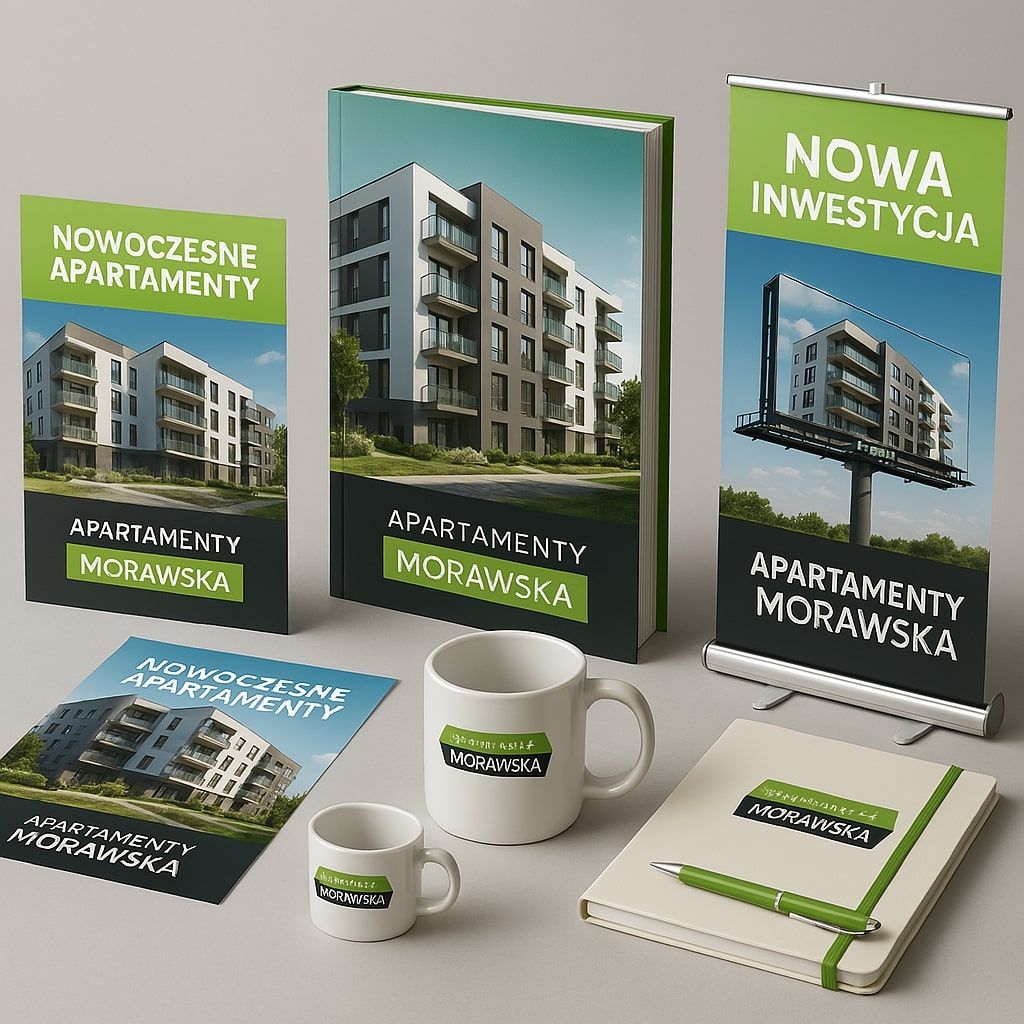
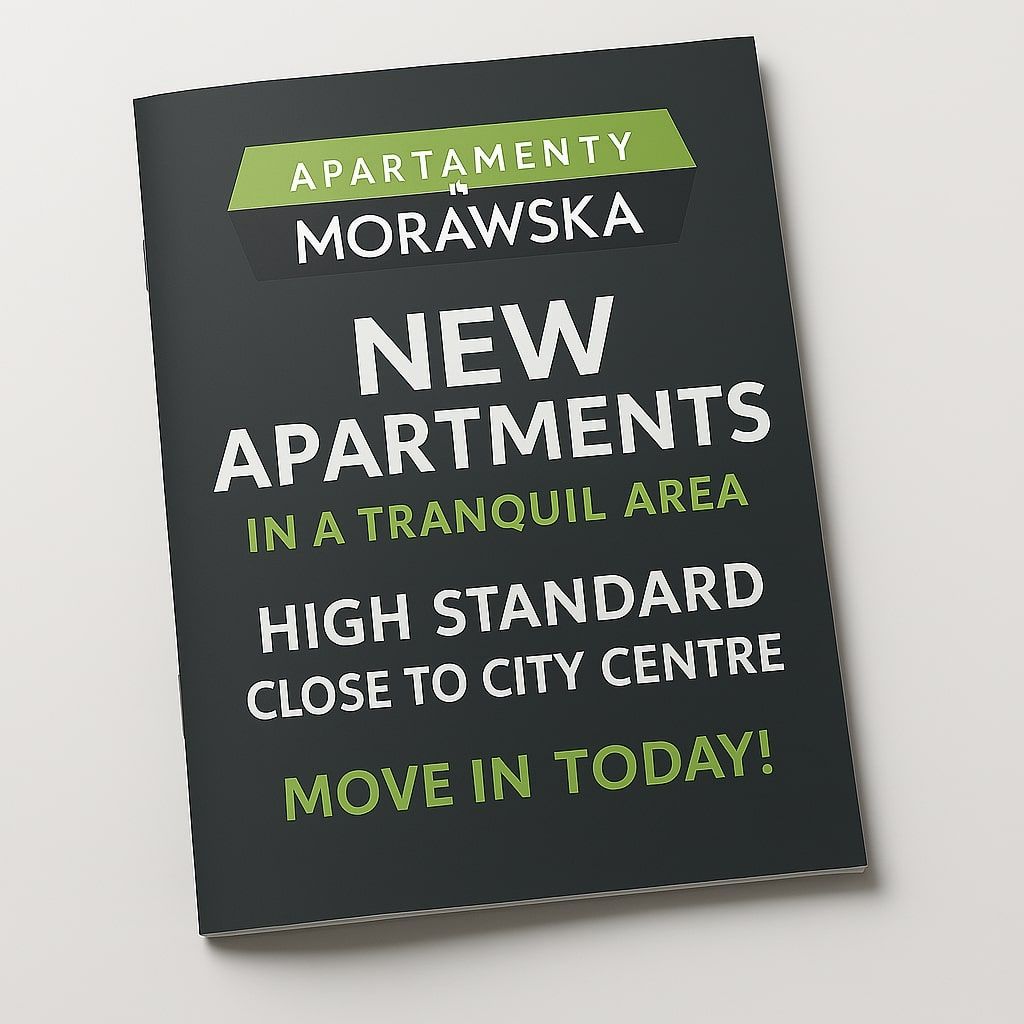
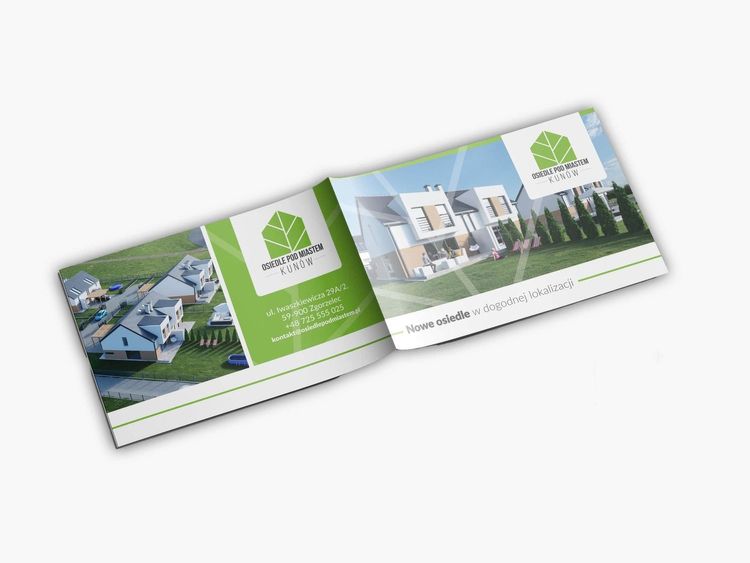
Premium clients – a printed brochure impresses more than a PDF
Housing fairs, industry events – you need to be visible there
Sales office – nothing works better than a physical folder on the table
How to create printed materials that actually work?
1. Start with the goal, not the print What are you aiming for – exposure? Selling a specific stage? Brand building?
2. Focus on quality design A property folder isn’t a school newsletter. You need strong design, good photos, and meaningful copy.
3. Print with the audience in mind Don’t scatter flyers all over the city. Target. Choose districts that match your client's profile.
4. Connect offline with online Every material should include: – A QR code linking to a landing page – A special offer available only from the flyer/brochure – A unique contact number
5. Make it part of a system Printed materials must align with your Google Ads, Facebook Ads, and PR efforts.
Most common mistakes developers make
Printing without a strategy – “because that’s how it’s done”
Low-quality property folder – looks like a 2004 brochure
Billboards in poor locations – no traffic = no results
No consistency with online ads – every channel tells a different story
How to measure the effectiveness of printed advertising materials?
It’s simple – you just need to plan it:
Separate phone numbers for each material
Unique QR codes and UTM-tagged landing pages
Discounts exclusive to the brochure – e.g., “$10k off with this code”
Ask clients where they heard about you – and record it in the CRM
Why does this still work? Because people buy with emotions
When a client holds a property catalogue with beautiful visuals, quality paper, a description of the area and finishes... …it’s no longer just another offer. It’s a premium product.
And if you treat it like premium – the client will feel it too.
Summary: Advertising materials for developers aren’t dead. Their role has changed.
In this year, it’s not enough to “just print something.”
But well-designed advertising materials, synced with your online campaign, can:
Expand the reach of your property investment
Build trust and a professional image
Help close the deal when the client is still unsure
Remember: print doesn’t replace digital. It supports it.
Do you need advertising and printed materials for yourself?
1. Do printed materials for developers still make sense this year?
Yes – if they are well-planned and integrated with the online campaign. They don’t generate leads on their own, but they build trust, recognition, and support sales.
2. What are the most effective advertising materials for developers?
Property folders, flyers with a specific offer, well-located billboards, and roll-ups in the sales office – these formats work best when tailored to the target audience.
3. Do flyers still convert?
Yes, but only if they reach the right people, are well-designed, and include a clear CTA and contact method (e.g., QR code).
4. How much does producing printed materials cost?
Depending on the type: flyers from a few cents each, property folders from a few USD, and billboards from several hundred to several thousand monthly.
5. How to measure the effectiveness of printed materials?
Use unique phone numbers, QR codes, UTM-tagged landing pages, and ask clients where they heard about you.
6. What’s the difference between a property folder and a regular flyer?
A folder is a comprehensive material with visuals, an investment description, and the full offer. A flyer is a short-form ad meant to grab attention and invite contact.
7. What should an effective property folder include?
High-quality photos and visuals, location description, apartment floor plans, investment highlights, contact details, and a clear CTA.
8. Is it worth investing in billboards?
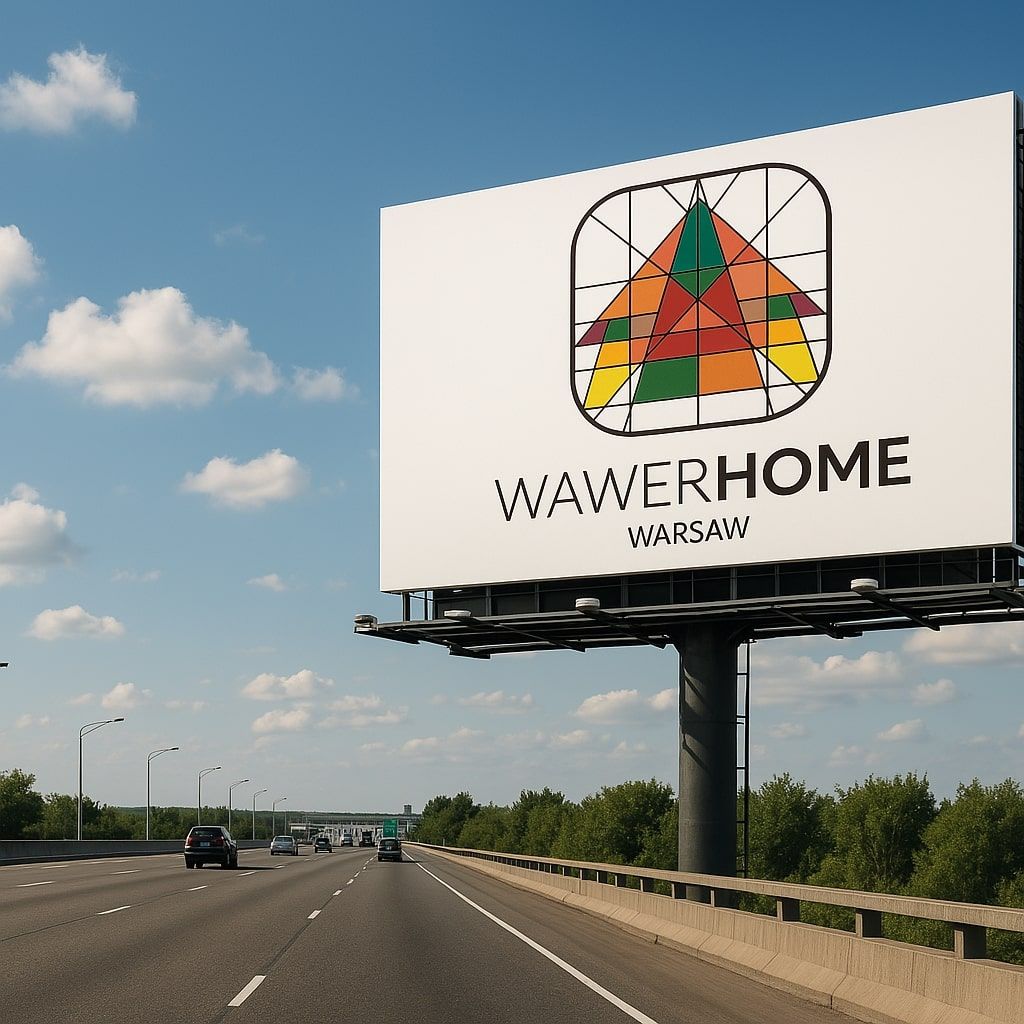
Yes, if the location is well thought-out and the design is clear and visible from a distance. Very effective in local campaigns.
9. Where’s the best place to distribute property flyers?
Near the property investment, in high foot traffic local areas, parking lots, residential zones, and shopping centers – places where your target audience hangs out.
10. What print formats are most commonly used by developers?
A5 flyers, A4 folders, B2/B1 posters, 85x200 cm roll-ups, and glued catalogues in A4 horizontal/vertical format.
11. Is it worth giving away branded gadgets at property investments?
Yes – pens, notebooks, or bags with branding increase brand recall and create positive brand associations.
12. How to integrate print with an online campaign?
Add QR codes to flyers and folders, use the same graphics, slogans, and colors as in digital channels, and direct to the same landing page with a unique UTM.
13. Does print make sense when selling apartments in big cities?
Yes – especially in districts with high foot traffic and strong competition. Printed materials can help your property stand out.
14. Do printed materials work for the premium market?
Absolutely. Premium clients expect high-quality folders and catalogues – it builds prestige and credibility.
15. What are the biggest mistakes in designing advertising materials?
Lack of CTA, poor print quality, unreadable content, information overload, and lack of consistency with the online campaign.
16. When is the best time to hand out flyers?
Weekends and afternoons – when potential clients are most active and open to new real estate offers.
17. Is it worth printing property catalogues?
Yes, especially for larger investments or when you want to emphasize the quality of your offer – catalogues are premium formats that stay with the client.
18. What CTAs work best on printed materials?
“Call for an offer,” “Scan for a discount,” “Book online” – specific, benefit-driven, and easy to act on.
19. How to choose the location for a billboard?
Select commuting routes, high-traffic roads, and areas near the investment – places people pass daily and will see the billboard regularly.
20. Can you automate campaigns involving print?
Yes – you can set up remarketing for people who scanned a QR code or visited the landing page from a brochure or flyer.
21. Can printed materials generate leads?
Yes, if they include a clear contact method and are part of a larger marketing strategy (e.g., with a discount or an Open House invite).
22. How long does it take to prepare a property folder?
From 1 to 4 weeks – depending on complexity, number of graphic materials, and whether the content is already prepared.
23. Do printed materials fit into an eco strategy?
Yes, if you use recycled paper and eco-friendly inks. You can also combine them with digital to reduce overprinting.
24. Do clients really notice the folder?
Yes. Homebuyers often collect multiple offers – a professional folder increases the chance they’ll remember your property investment.
25. How often should printed materials be updated?
Whenever there’s a major offer update – new investment stages, price changes, new visuals, or revised handover dates.
Sign up now for our free RendProletter and receive 1 email every week with a short summary of the best posts from our blog and emails with unique offers you won't find anywhere else!