

Do you recognize this scenario?
You’ve got a great location.
A professional design.
You launch your campaign.
And... nothing.
People click, ask questions, but sales are stagnant.
The problem? Lack of consistency. Lack of emotion. Lack of identity.
Visual identity is no longer optional – it’s a must-have for every real estate developer.
What is visual identity?
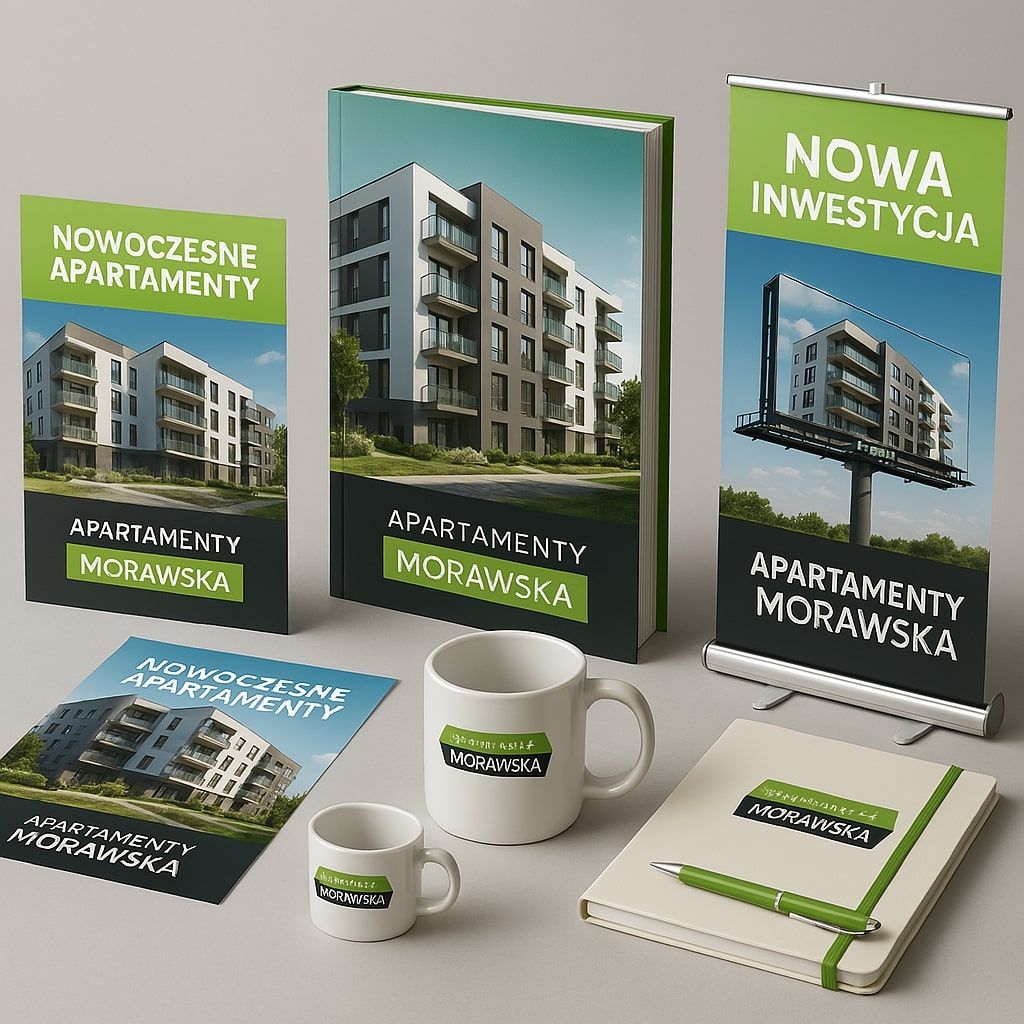
Visual identity is a consistent system of graphic elements that builds brand recognition and communicates its character. It includes elements like a logo, color palette, typography, photography style, and layout of promotional materials – all to ensure the brand is clearly recognizable and stands out in the market.
It’s how the property investment presents itself to the world.
It’s the first impression that tells the client: “this is worth investing in.”
Visual identity of a property investment includes:
- A professional logo of the real estate developer or the investment
- A well-thought-out name for the building or development
- Consistent color palette, typography, and graphic style
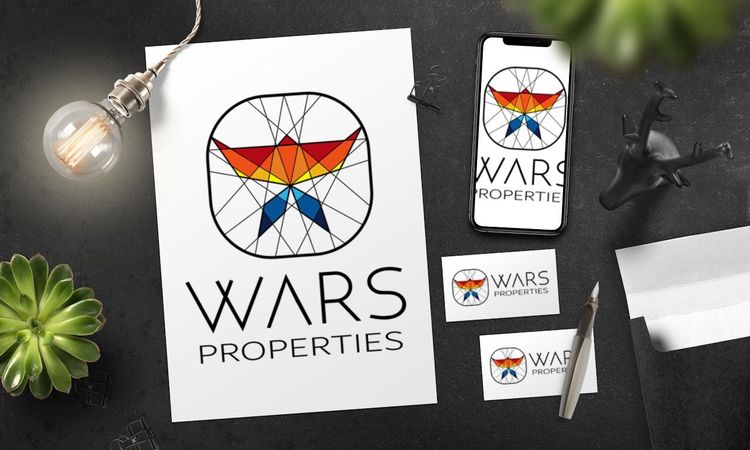
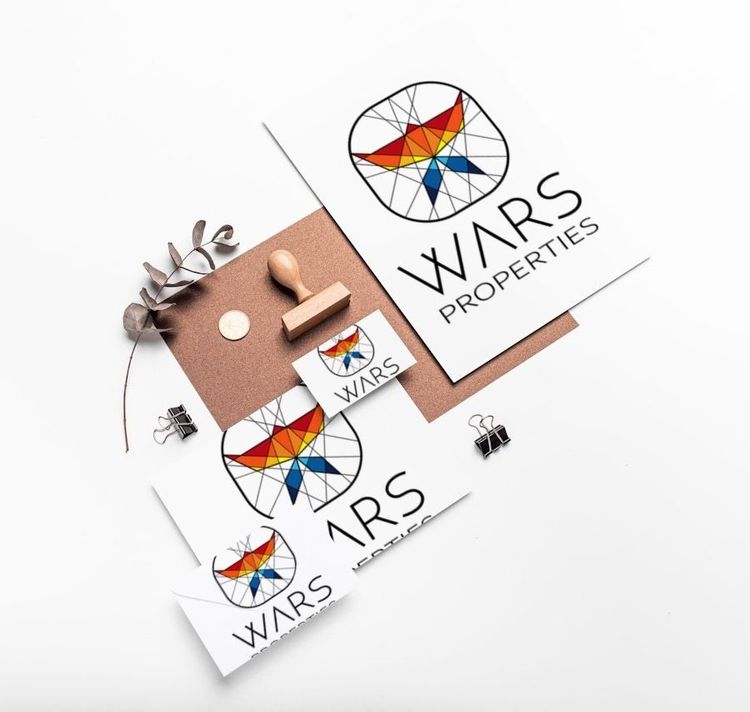
- Promotional materials: brochures, billboards, business cards
- A well-designed property website
- Social media presence with a unified visual narrative
- A brandbook – the visual identity guide
It’s not just “pretty pictures” – it’s a message that sells before anyone sets foot on the construction site.
Why is visual identity so important for a real estate developer?
In a market where competition fights for every square meter, standing out is the key to success.
A well-designed visual identity:
- Increases trust in the real estate developer's brand
- Helps clients remember the investment
- Creates an emotional connection with the place – even before it’s built
- Accelerates the sale of apartments and units
- Strengthens real estate marketing
6 Elements of an Effective Visual Identity for a Real Estate Developer

Here’s what your visual identity should include:
1. Investment logo
It must be simple, memorable, and look good in print and online.
It should match the investment’s character (eco, premium, urban).
2. Naming with meaning
Avoid generic names ("Green Estate")
Aim for emotion, local story, character – e.g. “Willa Polanka,” “Nova Saska”
3. Consistent color palette and typography
Colors say a lot – green = nature, navy = prestige, beige = comfort
Font? Minimalist and legible. Don’t experiment without purpose.
4. Promotional materials
Brochures, business cards, roll-ups, billboards – all in one consistent style
A PDF folder that clients can save and show to family
5. A results-focused website
Loads quickly
Mobile-friendly
Leads to a contact form and offer presentation
6. Social media
Bring your investment to life on Instagram and Facebook
Show construction progress, visualizations, lifestyle
Market example: “Green Community - Szczecin”
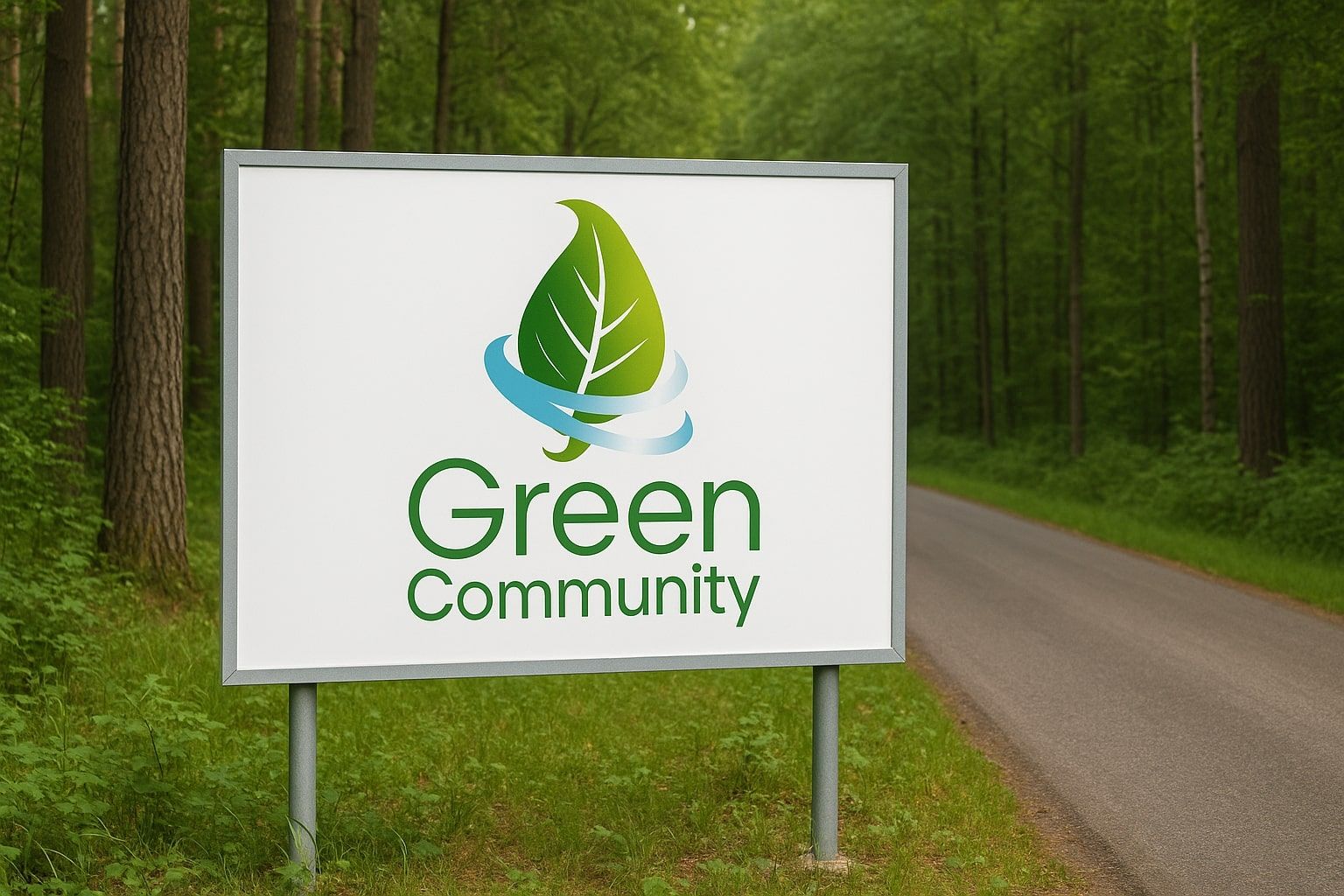
Comprehensive visual identity: logo, naming, website, offline branding.
The result?
The investment sold out much faster than expected.
Real estate marketing did the work 24/7.
Stages of Creating Visual Identity for an Investment
Visual identity doesn’t appear overnight.
It’s a process that requires planning and a consistent approach.
Here’s how it works step by step:
1. Brief and investment analysis
We gather information on location, target audience, project character, and sales goals.
2. Naming and visual concept
We create the investment name and overall visual direction – whether it's premium, family-oriented, eco, or urban.
3. Logo design and color palette selection
The logo must work in large formats and on smartphones. Colors should evoke the right emotions.
4. Typography and graphic style
Fonts and graphic elements that appear in every customer touchpoint.
5. Promotional material design
Folders, billboards, roll-ups, social media graphics – all cohesive and ready to use.
6. Property website
Design and development of a website that visually fits the entire communication.
7. Creating a brandbook
Documentation that helps maintain consistency in future campaigns and actions.
Final result?
You have a complete set of tools that sell through image – before construction even begins.
Visual Identity and the Real Estate Developer Marketing Strategy
A good marketing strategy without visual identity is like driving a Ferrari without the bodywork – the engine runs, but no one looks.
How does visual identity impact marketing?
- Gives campaigns consistency and recognizability
- Facilitates running ads on social media and Google Ads
- Builds a brand that people remember and recommend
- Boosts the effectiveness of sales materials – from banners to leaflets
If your campaign is well-planned but looks like a patchwork – it loses half its power.
Visual identity is the foundation of every successful real estate campaign.
Planning a launch? Start with your branding.
The Role of Visual Identity in the Real Estate Sales Process
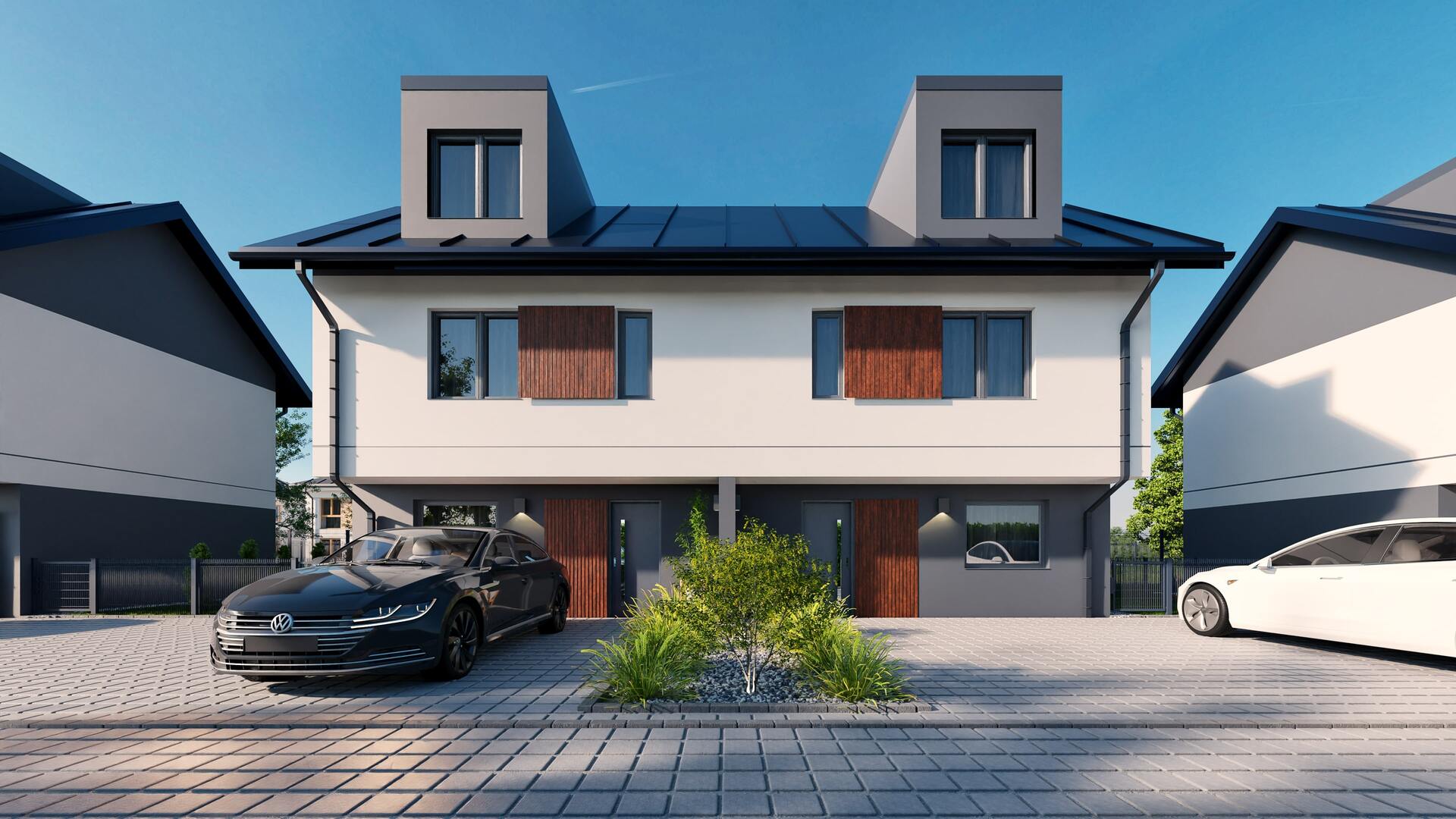
Selling real estate is an emotional process.
People aren’t just buying square footage – they’re buying lifestyle, safety, and aesthetics.
Where visual identity plays a key role:
- First contact with the brand – be it on a billboard, website, or social media
- Consideration stage – the client compares investments but remembers the one that “looks solid”
- Meeting with an advisor – consistent materials add professionalism and build trust
- Purchase decision – visual quality increases perceived value of the property
If the image says: “We are trustworthy, solid, and worth the price” – the client won’t hesitate long.
Visual identity is your silent salesperson.
It doesn’t say much, but it does a lot.
Summary
Visual identity is your cheapest and most effective tool for increasing sales.
It’s not about aesthetics. It’s about trust, emotion, and marketing efficiency.
If you still don’t have it – you’re losing time and clients.
Do it once. Do it right.
And watch your investment turn into a brand that people recommend.
FAQ – Most Common Questions About Visual Identity for Real Estate Developers
1. What is visual identity for a real estate developer?
A set of graphic elements (logo, colors, fonts, style) that create a consistent image of the investment and build trust in the developer’s brand.