


Real estate marketing has undergone a complete transformation.
It’s no longer just about flyers and banners.
Today, it’s all about speed, technology, and the ability to automate everything possible.
If you run a real estate developer company or sell properties, these tools can significantly boost your effectiveness and relieve you from repetitive tasks.
What are marketing tools?
Marketing tools include all apps, platforms, and solutions that help you reach the customer, showcase your offer, and drive sales.
In real estate, that could be:
- CRM for lead management
- 3D visualizations to showcase a project before it’s built
- Advertising campaigns on Google and Meta
- Analytics, SEO, and email marketing tools
The goal is simple: do more, faster, and better – without wasting budget or time.
1. CRM and Email Automation

Effective marketing doesn’t exist without a CRM system.
A good CRM:
- organizes contacts
- automates communication
- integrates with other tools
HubSpot – a free option with great potential. Supports emails, forms, campaigns, and call tracking.
Mailchimp / Constant Contact – for automated and analytical email campaigns.
2. Lead Generation and Management
AI-powered tools now identify top clients even before they reach out.
CINC – an AI platform for 24/7 lead generation, follow-up, and segmentation
Top Producer – CRM with AI features that build client relationships and automate sales
Smartzip – uses predictive data to identify potential sellers
3. Property Visualizations

If your photos look like they’re from a 2010 phone – you're losing clients. Professional presentation is a must. Clients don’t buy what they can’t visualize.
RendPro – if you want visualizations that sell before construction begins, this is exactly what you need.
We create:
- 3D visualizations of apartments and neighborhoods
- premium interiors for investment clients
- animations and virtual walkthroughs that turn folders into real experiences
No delays, no “we’ll do it our way.”
With us, the project looks exactly how you want to sell it.
4. Marketing Materials Design
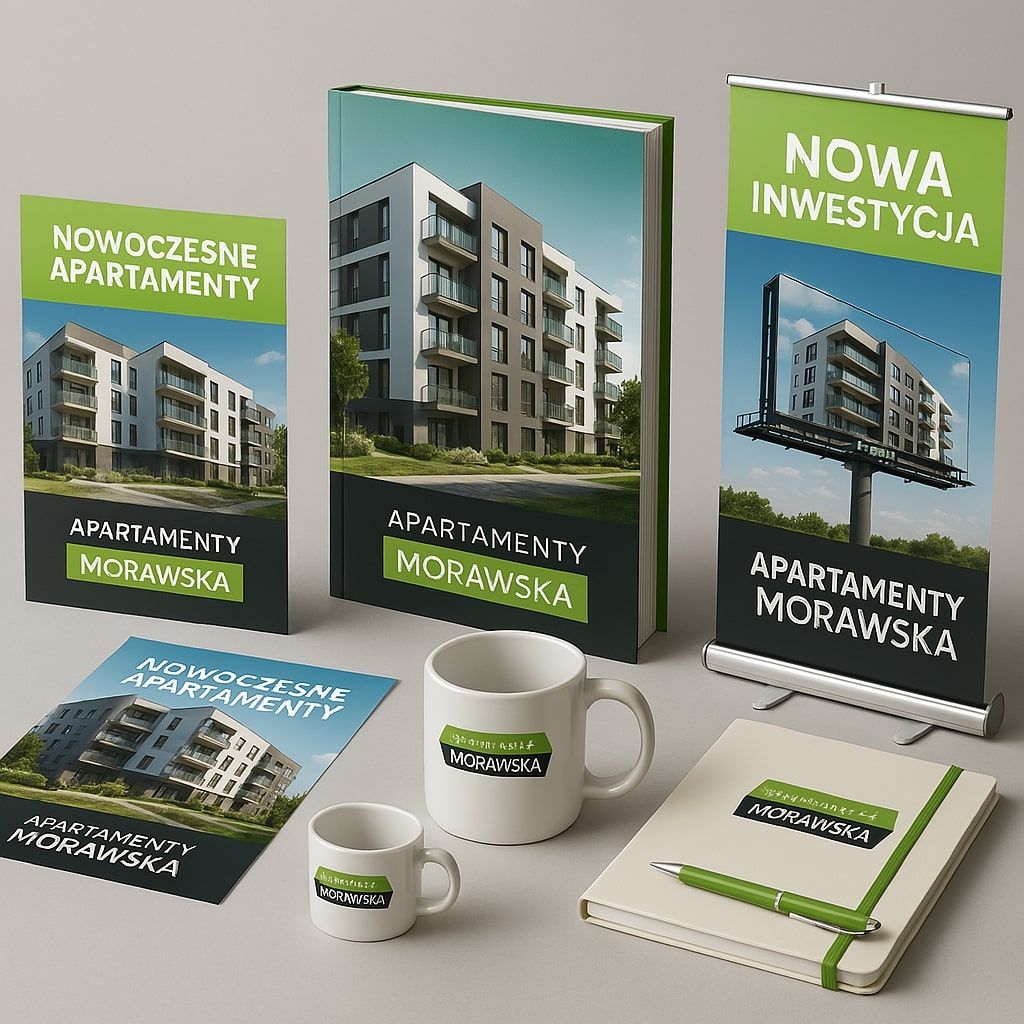
PDF presentations are history. Now it’s all about interactivity and personalization.
Canva – simple tool for creating graphics, flyers, social media posts, and newsletters
FlippingBook – turns PDFs into online flipbooks with CTAs, forms, and behavior analytics
5. Video Marketing and Social Media
Video works. It boosts reach, engages, and builds trust.
Animoto – easy video editor with real estate templates
TikTok / Instagram Reels – fast walkthroughs that can hit thousands of views
Hootsuite – manage all your social media campaigns in one place
6. SEO and Analytics
Local visibility is crucial. Without SEO, even the best offer can get lost.
Semrush – keyword, competitor, backlink, and content analysis
Ahrefs – another deep tool for traffic, ranking, and visibility tracking
7. Advertising Campaigns: Google Ads and Meta Ads
Good ads give you an edge – but only with precise targeting.
Google Ads
- Remarketing – reach people who already visited your site
- Local Ads – perfect for sales offices and property investments in specific cities
- Performance Max campaigns – automated conversion optimization
Meta Ads (Facebook + Instagram)
- Segmentation by location, interests, life events (e.g., moving)
- Retargeting – remind users who viewed your site or left data
- Lead Ads – in-app forms without leaving the platform
What to Choose?
Start with the basics:
- CRM (HubSpot)
- property presentation (RendPro)
- social media + video (TikTok, Animoto)
- ads (Google Ads, Meta Ads)
- analytics (Semrush)
Then gradually add more advanced tools or automation.
First, build a foundation and scale what works.
Summary
The best marketing tools for the real estate industry are those that shorten client acquisition time, automate follow-up, and present offers in the best possible way. It’s not about how many tools you have – it’s about how well you use them.
Start simple and scale based on results.
FAQ – Most Common Questions About Marketing Tools in Real Estate
1. Which CRM tool should I choose to start with?
HubSpot – simple, free, and scalable. Enough to start, expandable later.