


SEO agency for a real estate developer and the property industry – sounds like another expense?
Or perhaps the missing piece that will speed up apartment sales before the bank starts charging more interest?
Why is your competition appearing in the Map Pack while you’re still chasing leads with “boosted” ads?
Look at it differently:
- A client searches “new apartments Warsaw 2025” – who appears in the top 3?
- A click costs 10 USD, and only 1 in 20 fills out the form – do you like that math?
- You pay for a billboard passed by 3,000 people daily – how many of them are actually looking for a three‑room apartment with a garden today?
This isn’t about the “trend” in SEO.
It’s about a steady stream of hot inquiries day in, day out, while you’re holding a site meeting.
SEO in real estate is a marketing asset, not a one‑off cost.
The longer it runs, the less you pay per additional client.
And when it’s time for the next property investment, your domain authority will already be working in advance.
In this article, I break down the process:
keyword research, local signals, content, technicals and links,
plus hard numbers that show when to choose SEO and when to kick‑off Google Ads.
Read it, tick off the checklists, and see how your apartments sell faster than freshly poured slabs can harden.
What is SEO?

SEO stands for Search Engine Optimization.
In practice – you set up your site so that Google likes it and shows it at the top of results.
- You optimize content – you write how people actually search.
- You fix technical foundations – speed, mobile‑friendly, schema.
- You build authority – links from trustworthy sources.
- You measure impact – Search Console, Analytics, leads.
Do it once? No.
SEO is a process: test → measure → improve.
That’s why it’s like compound interest – the longer it works, the bigger the return.
See REND.PRO SEO and marketing case studies
See how similar solutions looked in real REND.PRO projects.
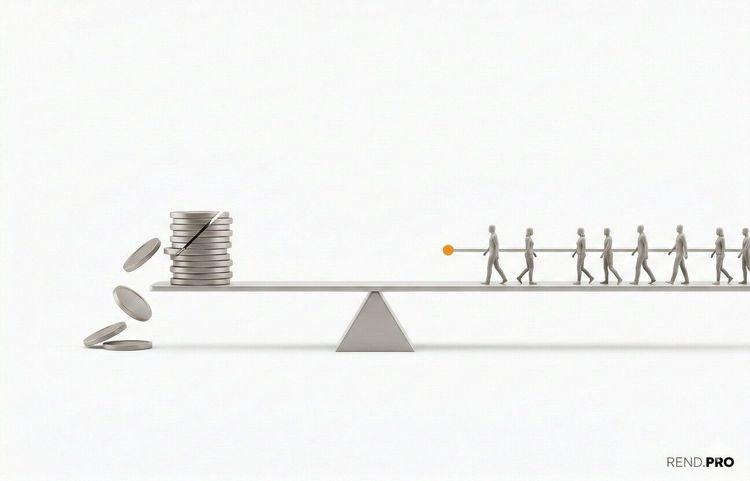

What really pains a real estate developer?
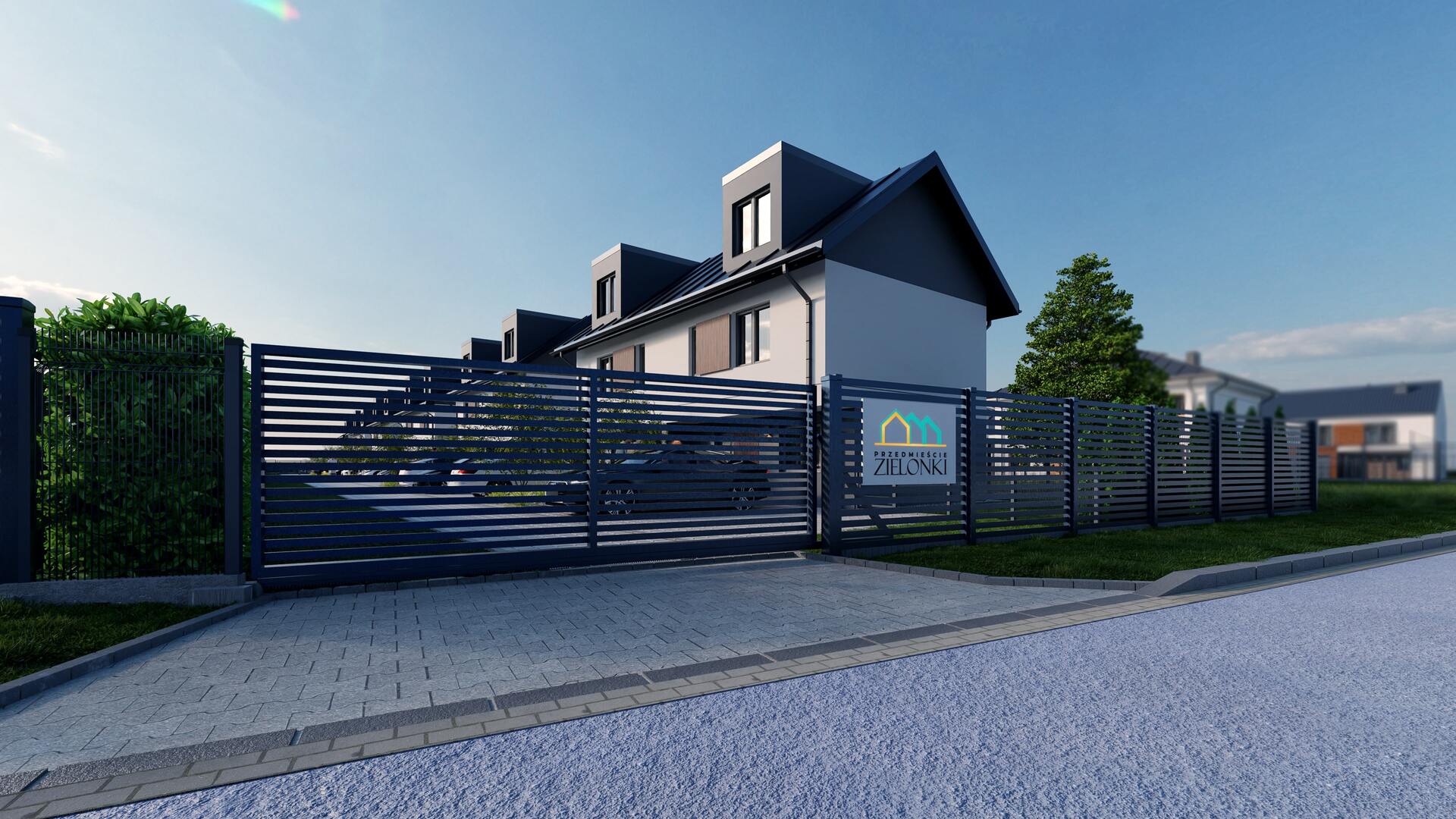
“We have a great location, but our site traffic is flat.”
“Google Ads costs me a fortune and leads aren’t hot.”
“A neighboring investment appears before us in Map Pack.”
Sound familiar?
Good. We’ll fix it.
Does SEO in real estate actually work?

Yes, and we have the numbers:
- 95 % of buyers begin with Google before calling an agent.
- SEO-optimized projects see on average +70 % organic traffic in 6–9 months.
- Lead cost drops by up to 60 % compared to Google Ads alone.
Why?
Local phrases (“three‑room apartments Mokotów”) have low CPC competition and SEO can own them permanently.
A site with blog and FAQ content answers customer questions – Google rewards that.
Developers collecting reviews in Google Business Profile dominate the Map Pack and capture on‑the‑fly traffic.
In summary:
SEO in real estate isn’t an add‑on.
It’s the cheapest channel for hot leads, if you give it time and consistent optimization.
When SEO in real estate doesn’t work?

SEO, real estate, and developers form a high-potential trio – but only if all elements work together.
Here are scenarios where even the best agency can't perform miracles:
Non‑mobile or slow site
60–70 % of real estate traffic is mobile. No mobile version or LCP >3 s signals Google to demote.
Shortcut budget/time
SEO needs months, not weeks. Low budget or expecting results in 30 days usually ends with no ROI.
Ignored technical issues
duplicates, missing sitemap.xml, wrong redirects, slow servers block crawl budget – great content but Google can’t see it.
Targeting ultra‑competitive keywords
aiming only at “apartments Warsaw” with a new domain is a losing battle against big developers.
Stale or duplicate content
old sold listings still visible, blog untouched for a year – signals abandonment to users and search engines.
Chaotic or no link building
outdated spammy directory links or zero local/industry links = no authority, no ranking.
Inconsistent NAP & no reviews
mismatched address/phone in GBP versus site + few reviews = poor local signals, disappearing from Map Pack.
No analytics or iteration
without tracking traffic, leads, conversions, SEO becomes guessing instead of data-driven.
Conclusion: SEO in real estate fails when there’s no strategy, technical quality, or patience. Remove these blockers and optimization will get back on track.
Why SEO is a game‑changer
- 80–90 % of queries about new apartments start with search engines.
- Local SEO brings “neighborhood” traffic, tripling transaction chances.
- Case study from Canada: +130 % organic traffic after 12 months, dominating “new condos Langley”
SEO is a lead‑machine that works 24/7, even while you sleep.
2025 Case Study in a nutshell
Developer goes from zero to sold‑out in 9 months
| Metric | Before | After 9 months |
|---|---|---|
| Organic traffic | 1 200/mo | 6 400/mo |
| Form inquiries | 15 | 97 |
| Cost per lead | $55 (220 USD) | $10 (42 USD) |
Key? Blog content + local links + schema.
When to choose Google Ads, when SEO?

Google Ads – Instant boost
- Launching a new investment and need leads this quarter, not next.
- Budget allows CPL around $66 (~260 USD).
- Want to A/B test messages, pricing, visuals in a week.
- Young domain, no SEO authority yet.
- Hot market, short sales window – need to immediately appear for “apartments Mokotów.”
- CPI around $2–3 per click – easy to scale.
- Promoting limited offers – you stop the campaign when it ends.
SEO – Compound‑interest marathon
- Multiple construction phases and 12+ months for sales.
- Over time, SEO CPL falls 40–60 % below Ads.
- You build developer brand: content hub, GBP reviews, local links – works 24/7.
- Want long‑tail dominance (“three‑room apartment with garden X”) – Ads is too pricey or too generic.
- New posts boost domain authority, speeding up next rankings.
- Capital costs rising – every dollar saved on leads improves margin.
Hybrid strategy – best for developers
- Launch: Google Ads brings form leads day one.
- Ramp‑up: Run SEO in parallel – optimize CWV, publish blog/FAQ, get local links.
- Switch: After ~6 months, organic traffic delivers, reduce Ads or use for remarketing.
- Scale: For the next phase, SEO is ready and Ads adds boost to final push.
Quick summary
- Use Google Ads when hours matter and you have budget.
- Choose SEO when durability matters and you want lower CPL.
- Usually – do both, but with different goals and timelines.
Most common mistakes & quick fixes
| Mistake | Quick fix |
|---|---|
| Investment page without HTTPS | Install cert, 301 redirect |
| Duplicate meta‑titles (“New apartments”) | Customize titles: “New 2‑room apartments X” |
| Zero reviews in GBP | Ask first buyers for reviews + photo |
| Duplicate meta‑titles again | remove duplicates in GSC |
| No SSL | add ssl certificate |
| Slow 5 MB images (LCP >4 s) | Replace images |
| old wordpress site | create new site with redirects |
| Spammy directory links (2010 vintage) | remove links |
Agency or in‑house?
Hire an agency when:
- <3 people in marketing.
- You need results yesterday.
- Budget easier to approve as OPEX than salary.
Build in‑house when:
- You run 5+ investments concurrently.
- Want full control over branding.
- Have time to recruit an SEO manager.
How to pick an SEO agency for real estate?

Developer portfolio – at least three residential projects.
Monthly KPI reports: visibility, traffic, leads.
Transparency in links and costs.
6‑month contract, not 24 – the market changes faster than notarization.
Optional AI stack – not a fad, a 2025 standard.
Collaboration SEO brief for real estate developer
- Goal: sales leads, not “TOP 3 on keywords.”
- KPI: Organic Traffic, SQLs, CPL.
- Budget: range + buffer for links/content/optimization.
- Access: Search Console, GA4, CMS.
- Timeline: quick wins in 90 days, key keywords in 6–9 months.
- Reporting: monthly PDF + live dashboard.
Measuring SEO ROI in real estate
SEO is an investment, not a cost.
Lead Value vs Cost: SEO lead cost is on average 2.1× lower than PPC.
Time Window: Positive ROI appears in 6–12 months; peak in 2–3 years.
KPI combo: Organic traffic → forms → calls → signed deals. If any link is missing, ROI isn’t complete.
Voice search & real estate SEO
- “Near me” queries grew 900 % in 2 years.
- 22 % of all voice‑queries are local.
Optimization:
- Full‑sentence queries: “Where to buy an apartment with a garden in Tarchomin?”
- FAQPage schema.
- Short, ~29‑word answers (average voice‑search length).
Summary
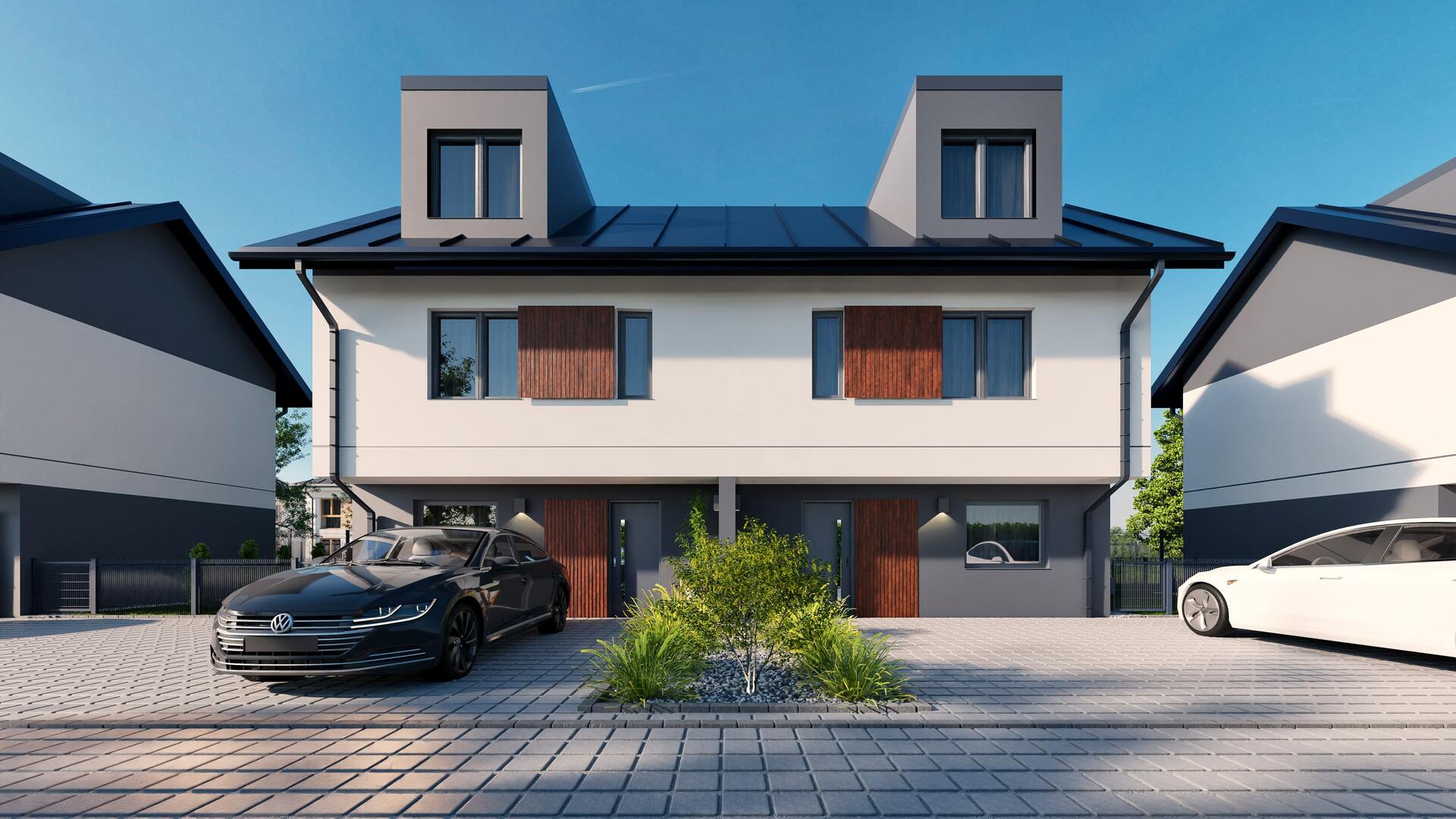
SEO, developer, real estate – these three words determine sales pace.
Without visibility in Google you pay more for leads and waste time.
With solid SEO you build brand, lower CPL, and sell faster – even when Ads are off.
Key? Technical foundations, content answering real buyer questions, local signals from Google Business Profile.
Add links from industry media, keep Core Web Vitals green, update your blog – traffic grows like compound interest.
Don’t treat SEO as a one‑time task.
It’s a process requiring patience, but it pays off generously with each new investment.
Need a company to take care of SEO for your developer site and/or housing estate?
Want “free” leads? Contact us at the bottom of the page. Sign up for a free consultation.
FAQ - questions about SEO agency for developer and real estate
1. How long before SEO starts generating leads?
First gains usually after 3 months; full strength in 6–9 months.