
A real estate developer's corporate website is a key tool for building brand, image, customer trust and conducting effective communication. An effective site contains rich information about the real estate developer and its offerings, so potential customers have easy access to the information they need, which can translate into more conversions and successful business growth.
Why should every real estate developer have a company website?
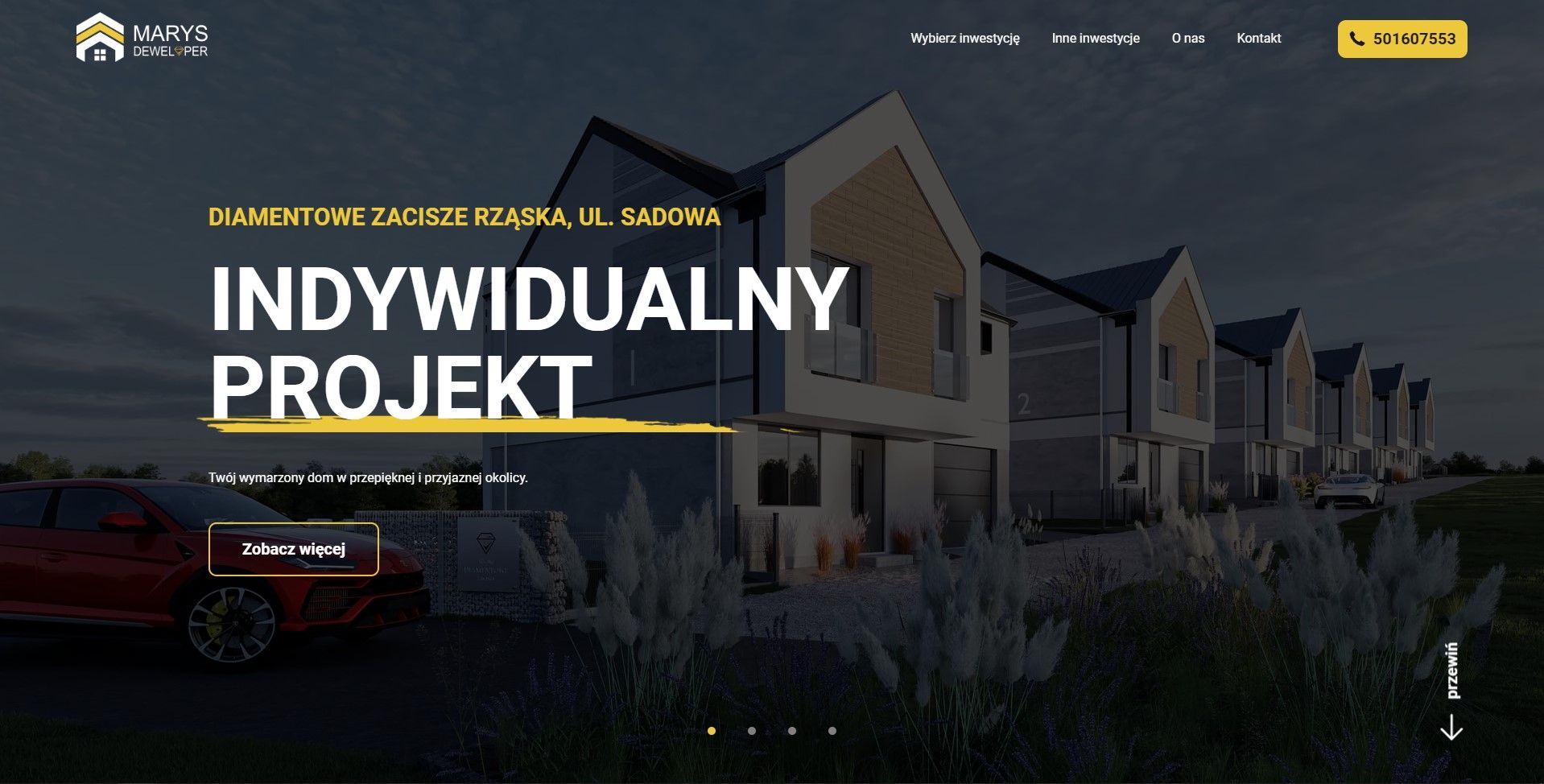
Image and Professionalism: A company website allows a real estate developer to showcase its brand, vision and values, which builds trust and a professional image. Customers want to work with trusted, reputable companies, and a well-designed company website can create a positive impression with potential customers.
Comprehensive Information: a company website can provide detailed information about the real estate developer itself, its business history, experience, completed projects and references. It's important for potential customers to be able to find all the necessary information in one place, making purchasing decisions easier.
Differentiation of Offerings: On the company's website, the real estate developer can present its wide range of properties, including current projects, future development plans.
Contact and Cooperation: The company's website allows customers to contact the real estate developer directly, which is crucial in establishing business relationships. Contact forms, contact information or chatbots facilitate communication and help potential customers get answers to their questions and ultimately make a purchasing decision.
Marketing and Advertising: The company website acts as a marketing tool. It can be used to run advertising campaigns, showcase the company's achievements, promote new property developments and acquire potential customers.
Building Relationships with Customers: The company website can include a section with testimonials from previous clients, which builds trust and credibility for the real estate developer. This makes it easier for customers to decide to do business with the company.
Information About the Company for Media and Investors: The company website is an excellent place to publish information about news, awards, charity events or new property developments. It can also serve as a source of information for the media and investors, which increases the company's visibility in the market.
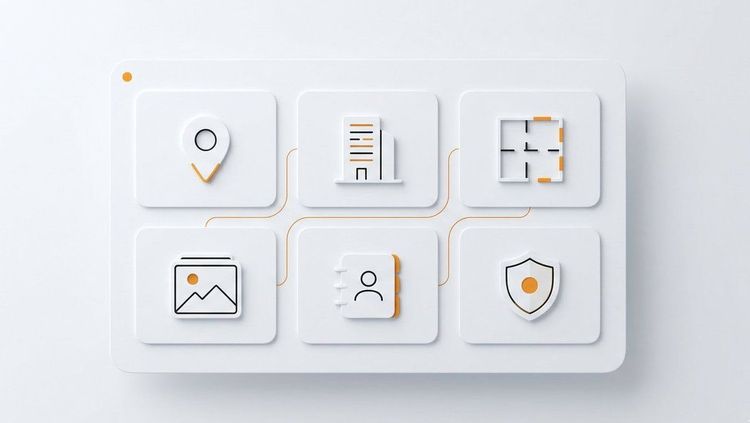
8 key elements of a successful real estate developer website:
1. Projects Portfolio
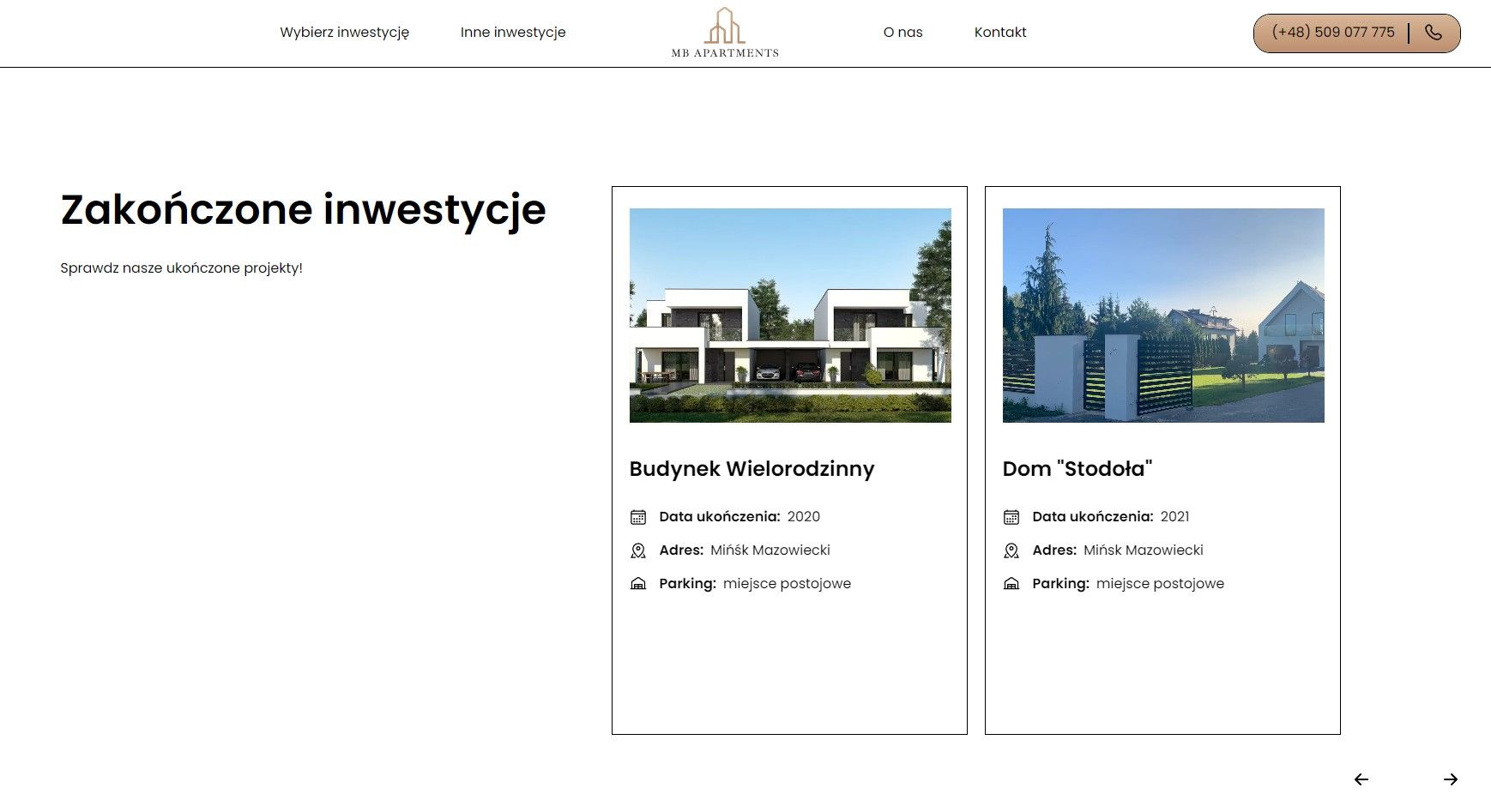
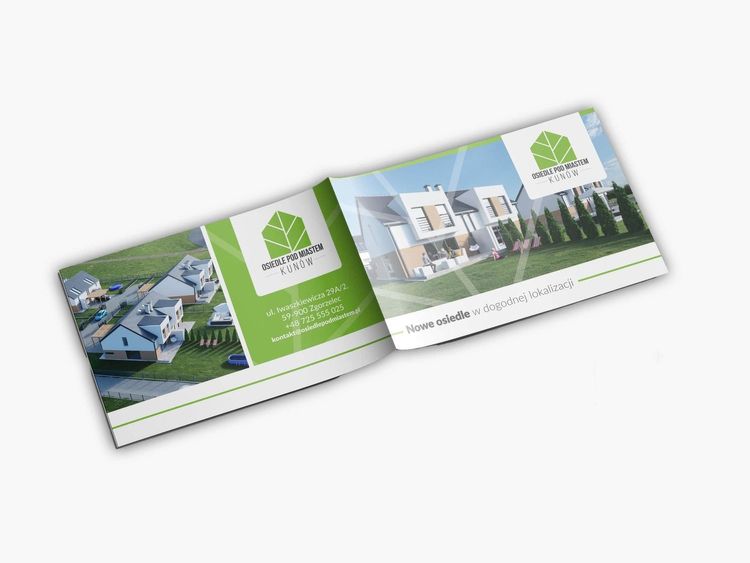
Presenting an attractive and well-organized portfolio of the real estate developer's projects is key. It should include photorealistic 3D visualizations, photos and descriptions of completed projects. This makes it easy for potential clients to see the variety and quality of projects, which builds trust in the eyes of your customers.
2. Intuitive Navigation

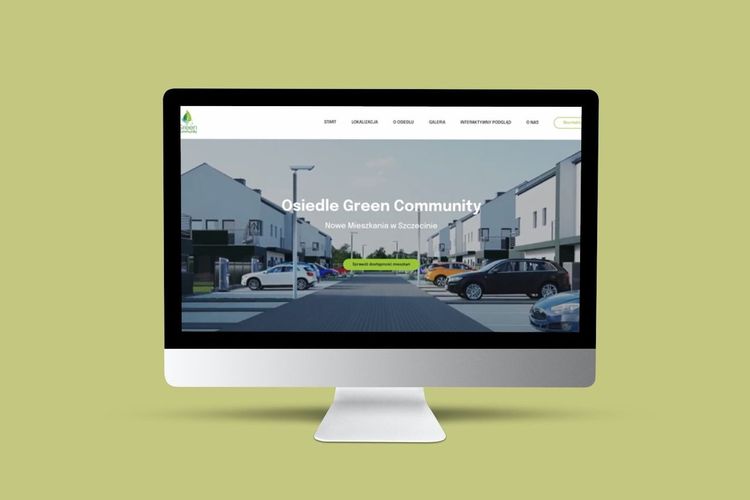
The real estate developer's website should be easy to navigate, allowing users to quickly find the information they are looking for. The introduction of a clear menu and logical arrangement of sub-pages will make it easier for visitors to find the sections that interest them.
3. Information on Locations
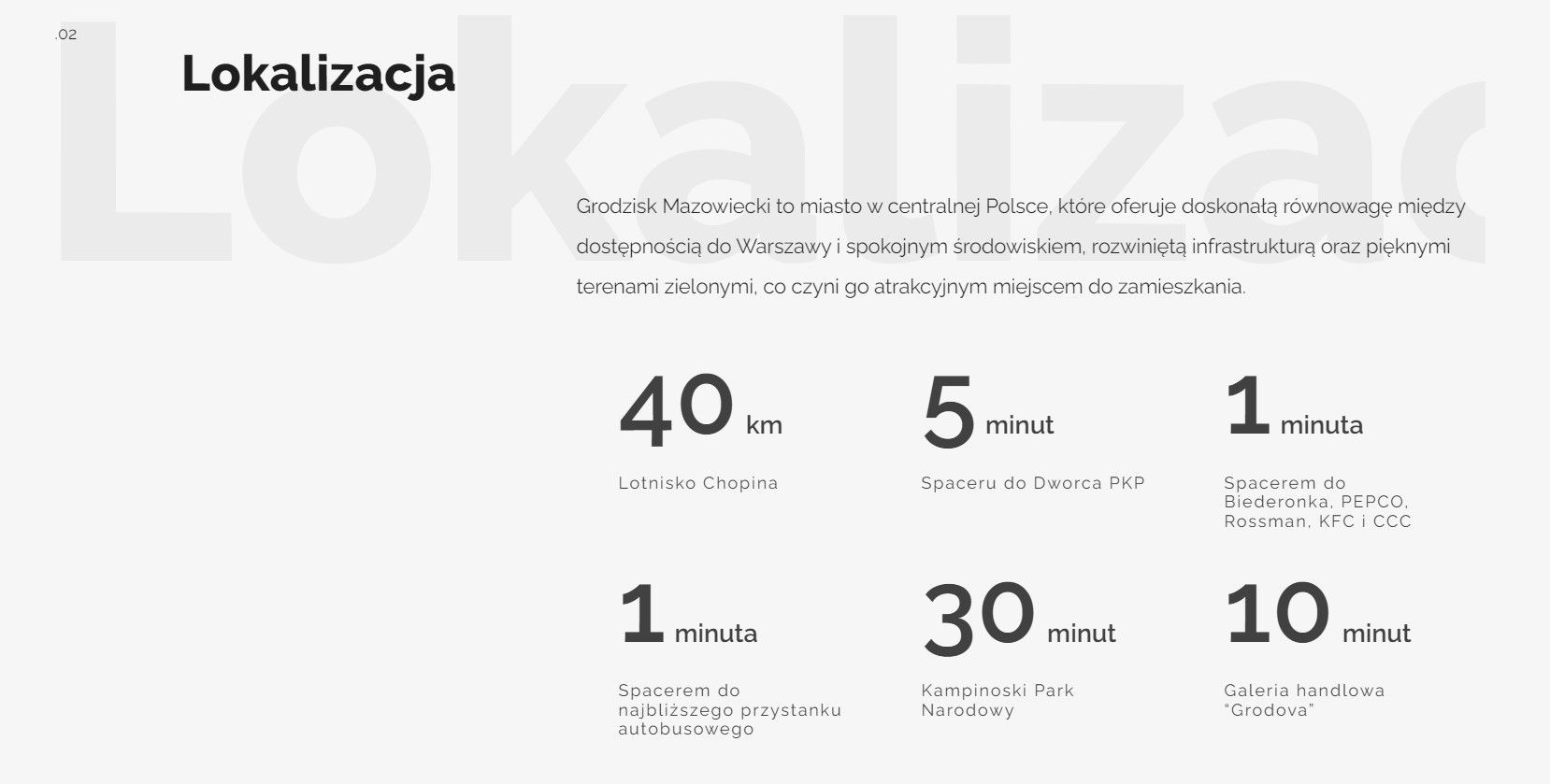
Providing detailed information about the locations where you are building your property developments. It is extremely important. It is worth including data on nearby attractions, accessibility to public transportation, schools, shopping and other important places. This will make it easier for customers to understand the benefits of buying a property in a particular location.
4. Contact Form
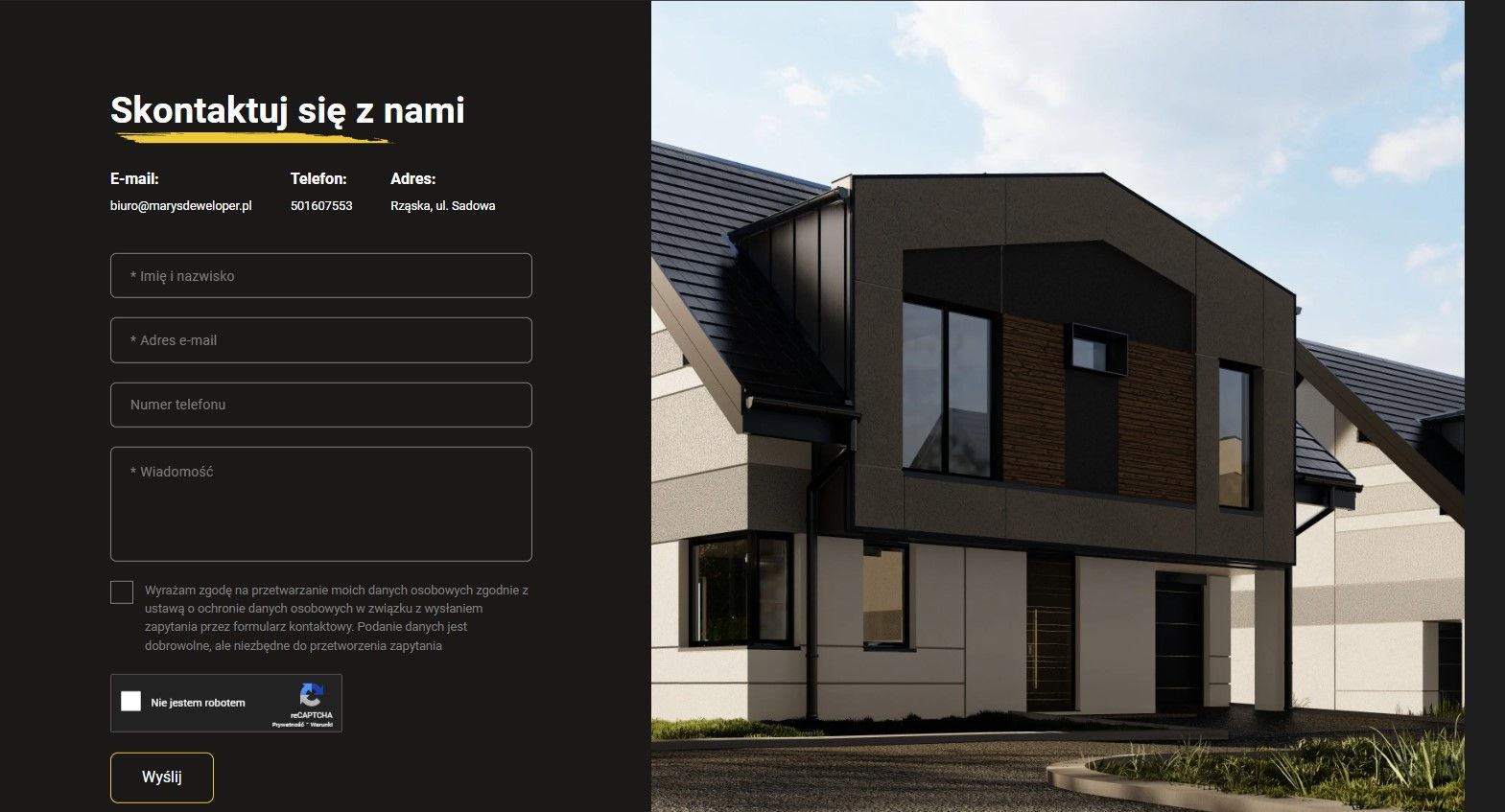
Including a clear and easy-to-use contact form will encourage potential customers to contact the real estate developer directly. It is also a good idea to include the ability to inquire about a specific project or schedule a meeting.
5. Customer Reviews and Recommendations
Publishing positive customer reviews, recommendations and successes of previous transactions will help build trust and credibility of the company. Customers like to see other people's positive experiences before making a purchase decision.
6. News & Blog
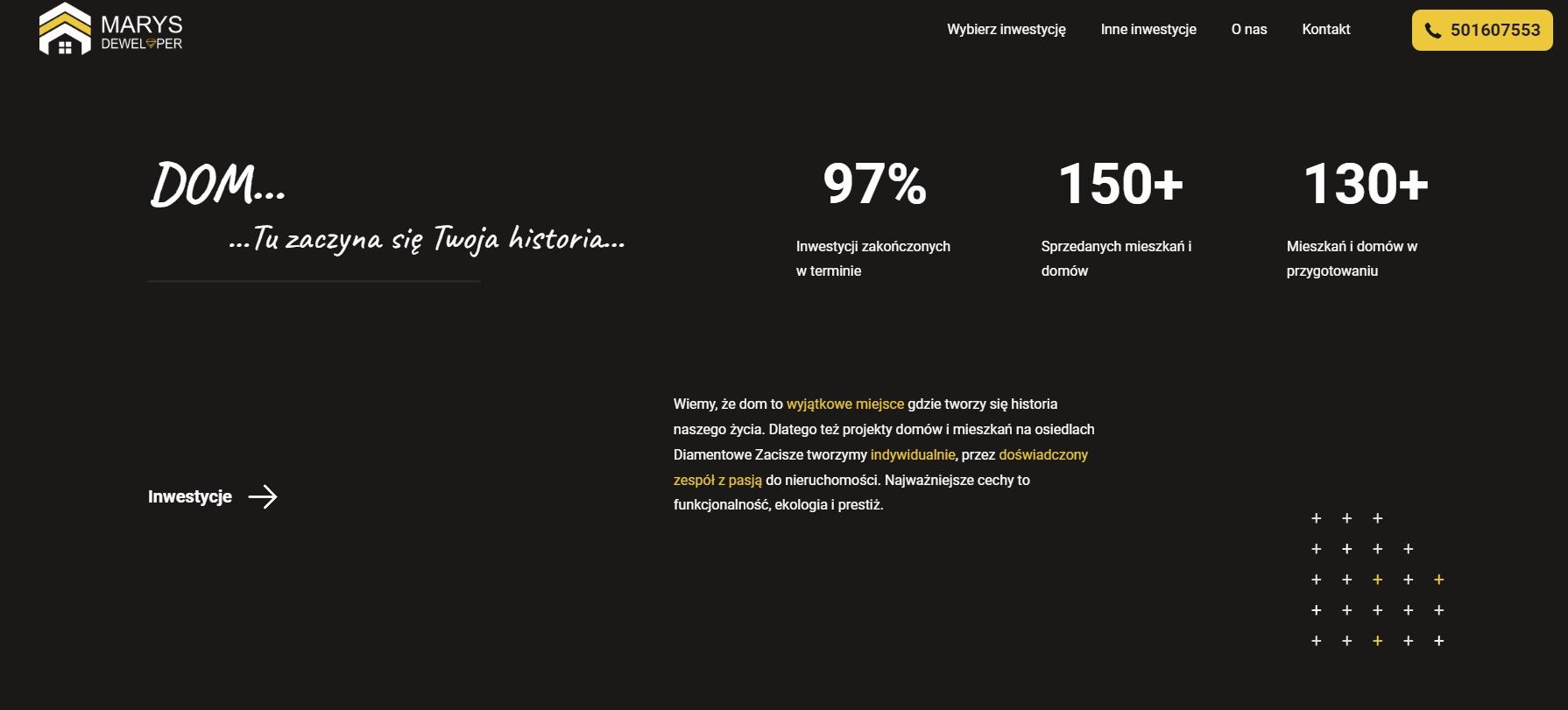
Regularly updating the news and blog section keeps the site up to date. Here you can showcase achievements, new projects, real estate trends, tips for potential buyers and other content that will catch the attention of readers.
7. Responsiveness of the site
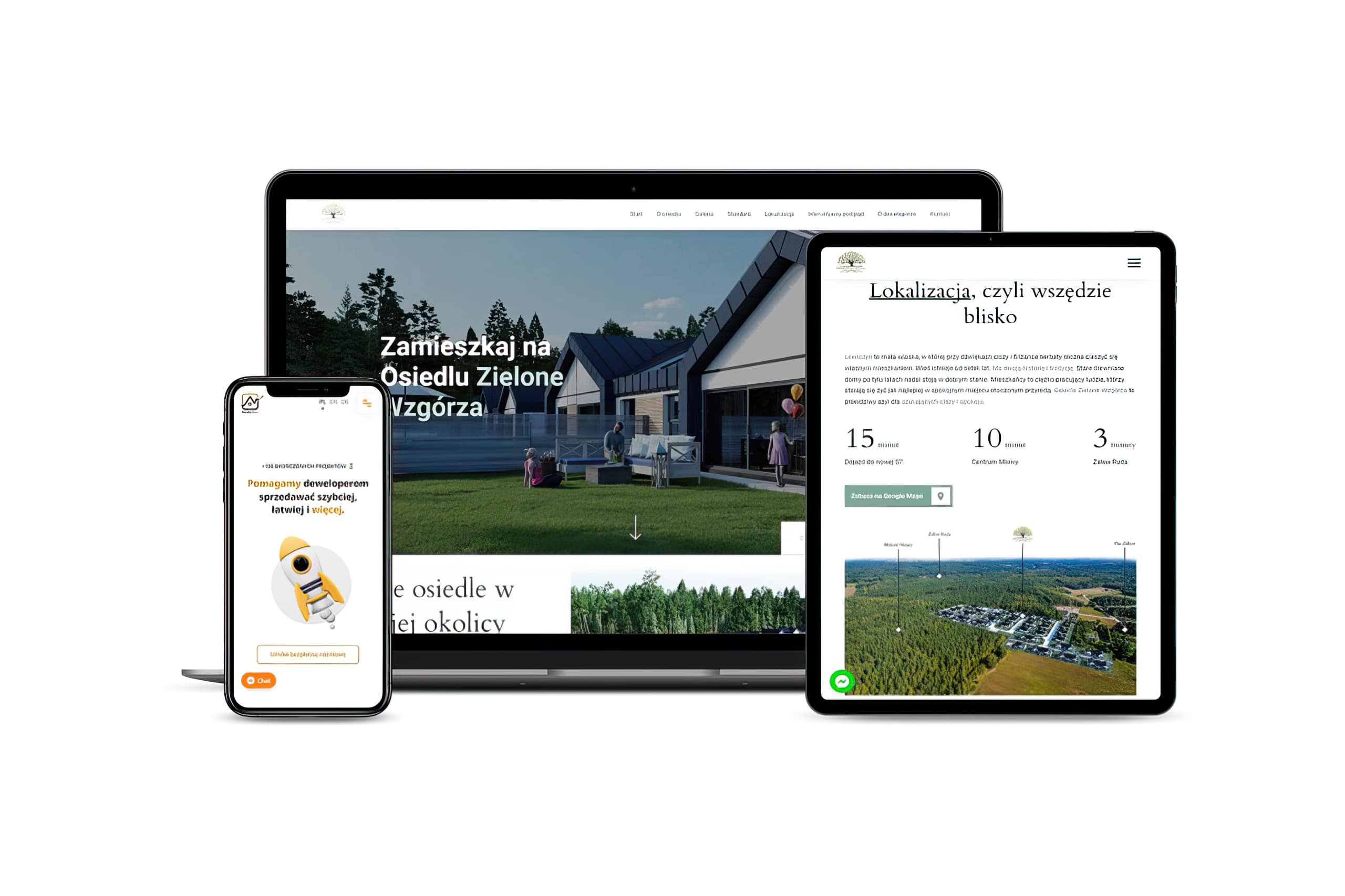
A real estate developer's website must be responsive and optimized for mobile devices. The number of users browsing the Internet on smartphones and tablets is increasing, so it is important that the site looks good and works well on all devices to increase the chances of customer engagement and contact.
8. Company Description

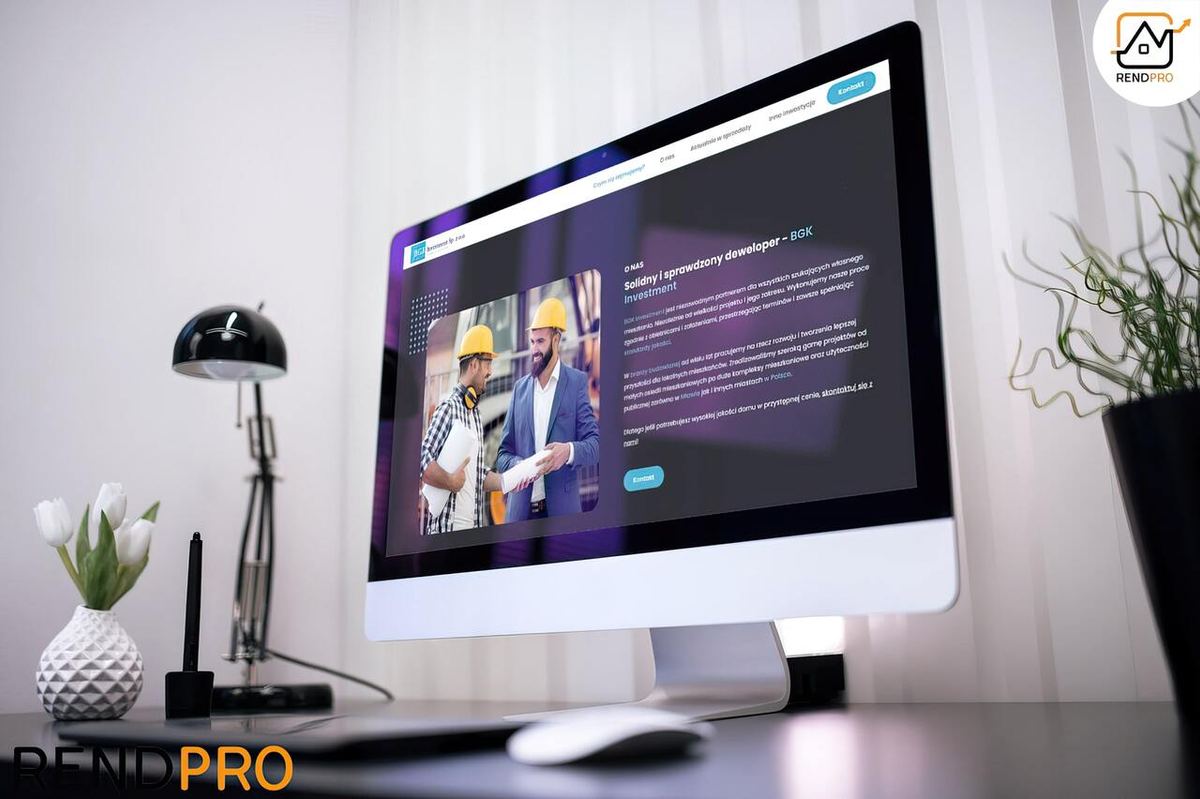
The "About Us" section allows a real estate developer to create a positive first impression. Potential customers often begin their property search by visiting a real estate developer's website and "About Us" section to get an idea of who they are dealing with and whether this is a company they want to do business with.
Should a start-up real estate developer have a company website?
Yes, even a real estate developer starting out in the real estate development industry should consider having their own company website. A company website can be a valuable tool in image building and customer acquisition, even for a fledgling real estate developer.
It is worth remembering that a real estate developer's company website does not have to be very elaborate right away. Even a simple website, but one that is professionally designed and contains relevant information about the company, can be beneficial in the process of customer acquisition and brand building.
Need a website for your property development company or a site for your development?
Check out our offer: Developer's Website and Property Development Website.
FAQ – Most Common Questions About the Real Estate Developer Website
1. Why is it worth having a dedicated real estate developer/property investment website?
It provides a complete marketing tool: presents the project, builds trust, facilitates contact, and allows the client to view the offer at any time.