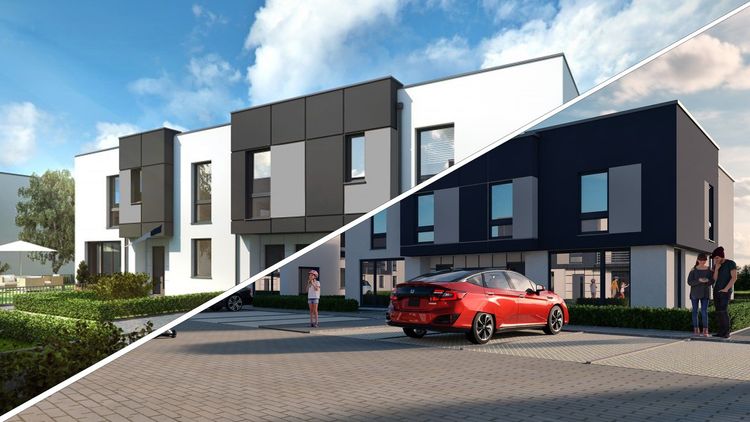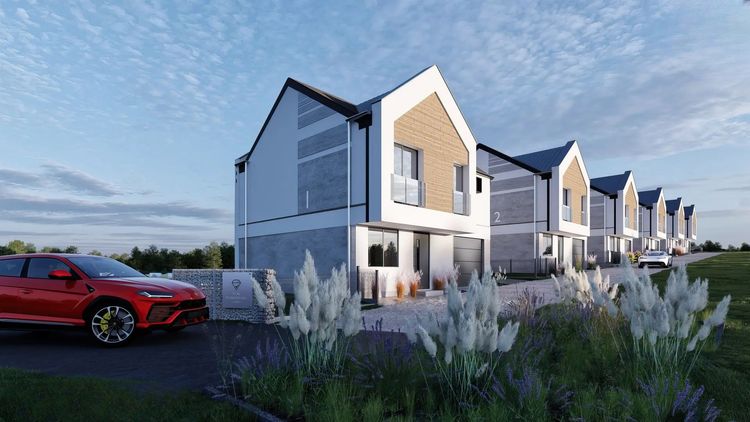


External CGI (Computer-Generated Imagery) visualization is one of the most popular technologies used in the construction industry.
However, like any technology, it has its advantages and disadvantages.
Real estate developers are increasingly asking themselves: is the investment in CGI visualizations really worth it?
Let’s explore what lies behind this trend.
Advantages of External CGI Visualization

1. Realistic representation of the project
CGI visualizations allow for an accurate depiction of future buildings. Developers can show potential clients what their investment will look like before the first shovel hits the ground. It is possible to realistically present:
- Building materials
- Natural lighting
- Architectural details
- The surrounding environment (greenery, infrastructure)
2. Increased sales
When clients see exactly what they are buying, the chances of a purchase decision increase. CGI visualizations help convey emotions and the vision of the future space. Clients can more easily imagine how they will use the property, which significantly speeds up the decision-making process.
3. Flexibility and the ability to make quick changes
Have a new idea for the project? Want to see how the building will look from a different perspective? With CGI visualizations, it’s possible to make changes on the fly. Changing the façade color, adding new architectural elements – all of this can be done with a single click.
4. Compressed marketing costs
Instead of building expensive mock-ups or organizing multi-day photo sessions in real locations, developers can focus on one tool – CGI. A completed visualization can successfully be used in marketing materials, on websites, and even on social media, generating leads without additional expenses.
5. Easier communication with investors
Investors often lack the technical knowledge to imagine the final outcome of a project based solely on architectural plans. External CGI visualization helps simplify communication and shows investors exactly where their money is going.
Disadvantages of External CGI Visualization

1. Production costs
While CGI visualizations can lead to savings in the long run, the initial cost can be high. Professional visualizations require specialized skills and advanced software, meaning expenses, especially for larger projects, should be considered.
2. Risk of discrepancies with reality
Although CGI allows for realistic rendering, there is always a risk that the final product will differ from what was presented. Differences may arise due to design decisions made during construction, technical issues, or even material changes. Clients who notice these discrepancies may feel disappointed.
3. Excessive idealism
CGI visualizations often show the project in its best light – perfect weather, ideal lighting, no flaws. Clients may have unrealistic expectations regarding the final version of the property. It’s important not to overdo the “beautification” of the project, as it could lead to unnecessary disappointment.
4. Long production time
Creating an advanced visualization can take some time. If quick results are needed, keep in mind that every detail requires time – from modeling to texturing to rendering.
5. Technological barriers
Some smaller real estate development companies may struggle to implement this technology, primarily due to a lack of access to advanced equipment or CGI experts. This can be a barrier, especially at the start, when investment in skill development and equipment is necessary.
Summary
External CGI visualizations have tremendous potential when it comes to presenting real estate. They are realistic, flexible, and can significantly speed up the sales process. However, like any technology, they come with costs and certain challenges.
Real estate developers must consider whether the benefits outweigh the costs in their specific case and whether they are ready for potential discrepancies between visualization and reality.
FAQ - Frequently Asked Questions
What is an external CGI visualization?
It is a computer-generated image presenting the external appearance of a property before it is built. It allows for a realistic depiction of the project in the context of its surroundings.