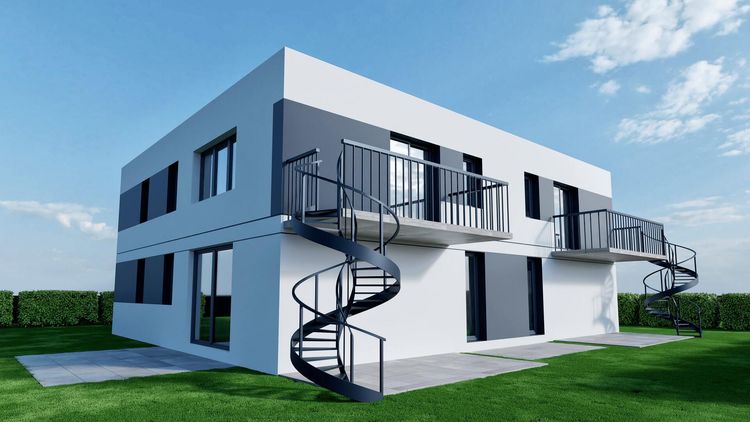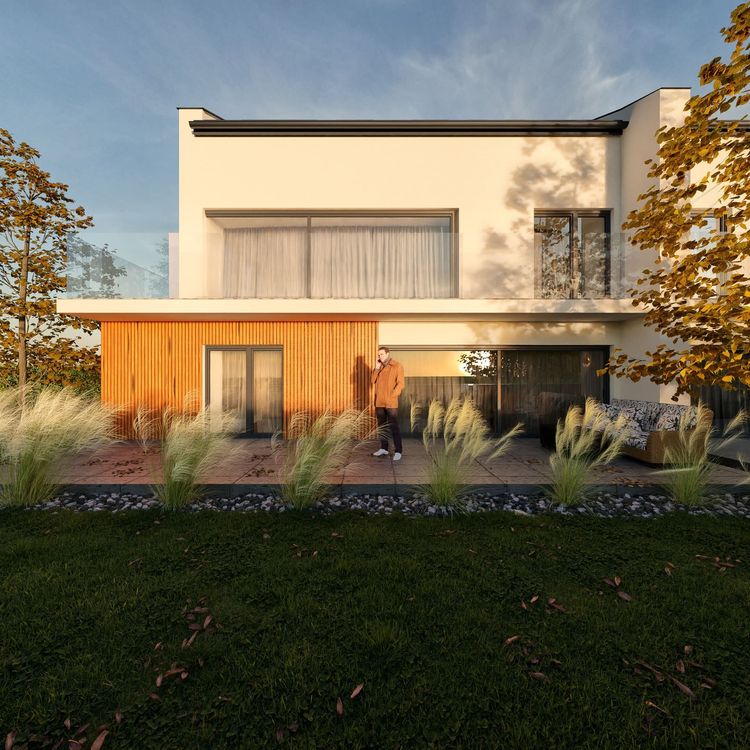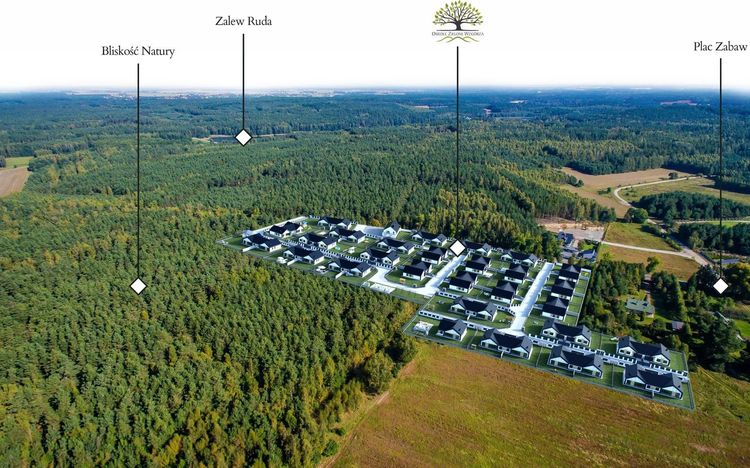


3D house visualization is no longer just an extra asset in a listing. Today, it is a practical tool that helps sell faster, present a development more clearly, and reduce the number of questions from potential buyers.
Do buyers still buy with their eyes? Absolutely. And they do it faster than ever.
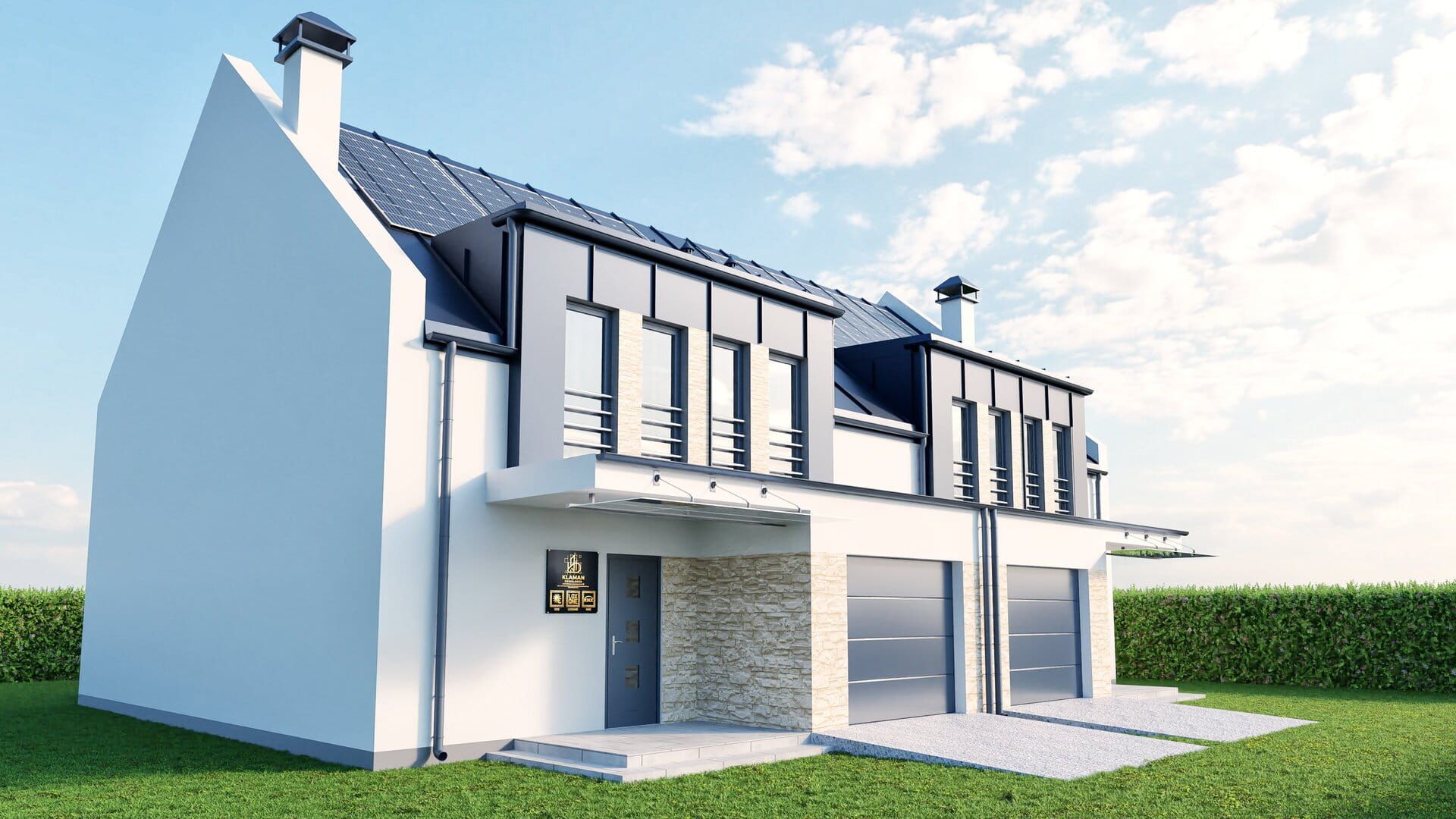
If you sell homes, residential communities, or boutique developments, you probably know this moment well.
A buyer looks at a floor plan, nods, and still does not really understand what they are buying.
They do not feel the scale.
They do not understand the layout.
They do not see the light, the materials, or the proportions.
That is exactly where visualization comes in.
From my perspective, 3D house visualization shortens the distance between interest and decision.
When someone sees a complete image of the home, the exterior, the yard, and even the interior, they stop analyzing numbers alone.
They start imagining life in that space.
And that changes everything.
What exactly is 3D house visualization?
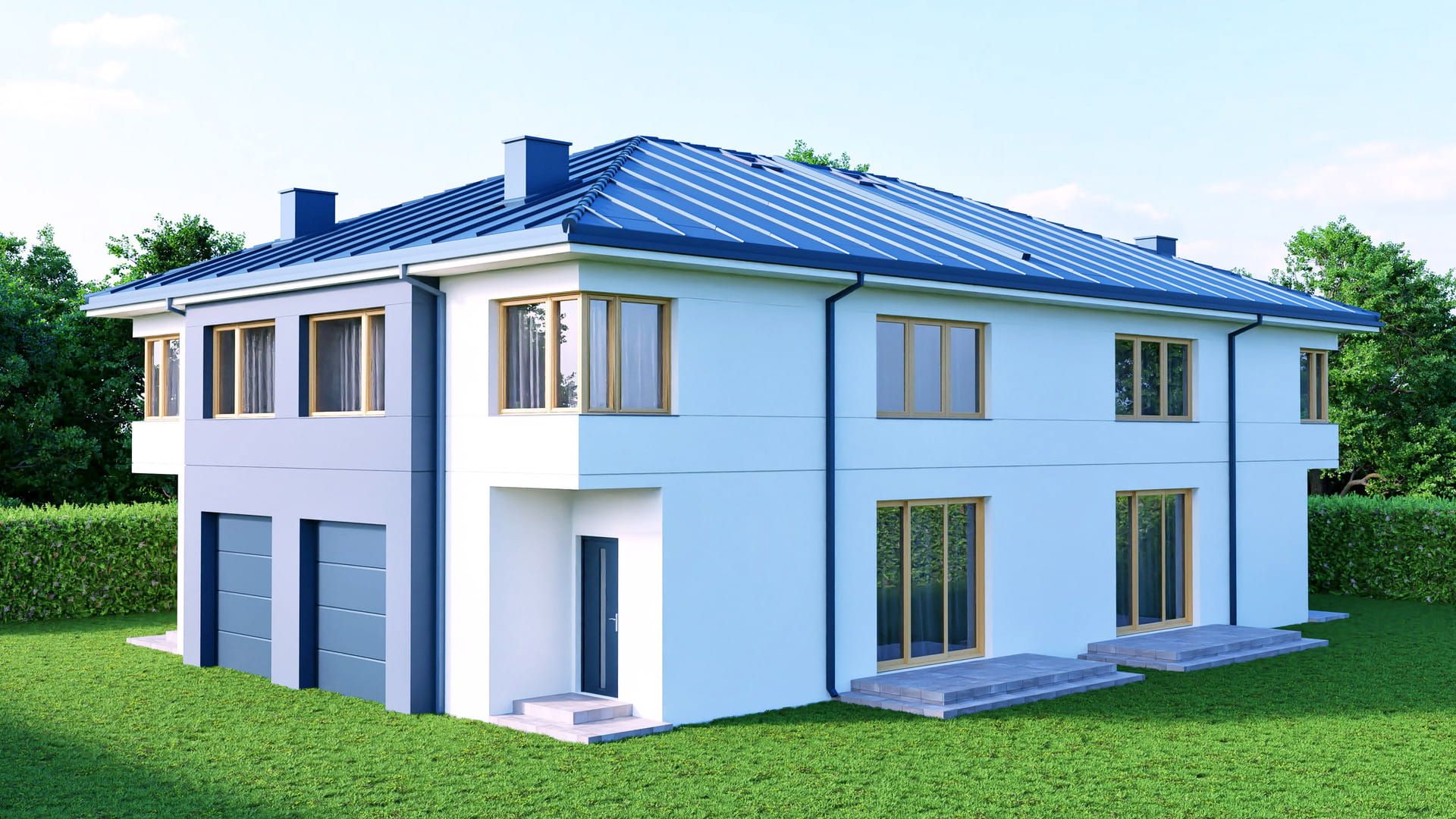
3D house visualization is a digital representation of a home before it is built, or while it is still in the design phase.
It can show the shape of the house, the exterior finishes, the surrounding environment, the floor plan, the interiors, the backyard, the driveway, and even the lighting at a specific time of day.
This is not just a nice image.
It is a sales tool, a design tool, and a marketing asset all in one.
A well prepared visualization makes it possible to present a development in a way that feels clear, attractive, and close to reality.
That is why buyers understand the offer faster.
That is why the sales team spends less time explaining.
That is why the marketing team gets assets that actually perform.
Why does 3D house visualization have such a strong impact on sales?
The biggest challenge in real estate sales is simple.
A buyer is not purchasing a set of plans.
A buyer is purchasing a vision of future life.
If you do not create that vision, you leave space for doubt.
And doubt kills decisions.
3D house visualization helps because it:
Shows the final result before construction even begins.
Builds emotion and trust around the project.
Makes it easier to compare design options, exterior finishes, and layout variations.
Strengthens online advertising and social media campaigns.
Improves how the project is presented on the website, in brochures, and in the sales office.
Reduces misunderstandings between the buyer, architect, and contractor.
This matters even more when you are selling at an early stage.
At that point, you do not yet have a finished product.
You have a promise.
And visualization turns that promise into something concrete.
3D house visualization in residential development marketing
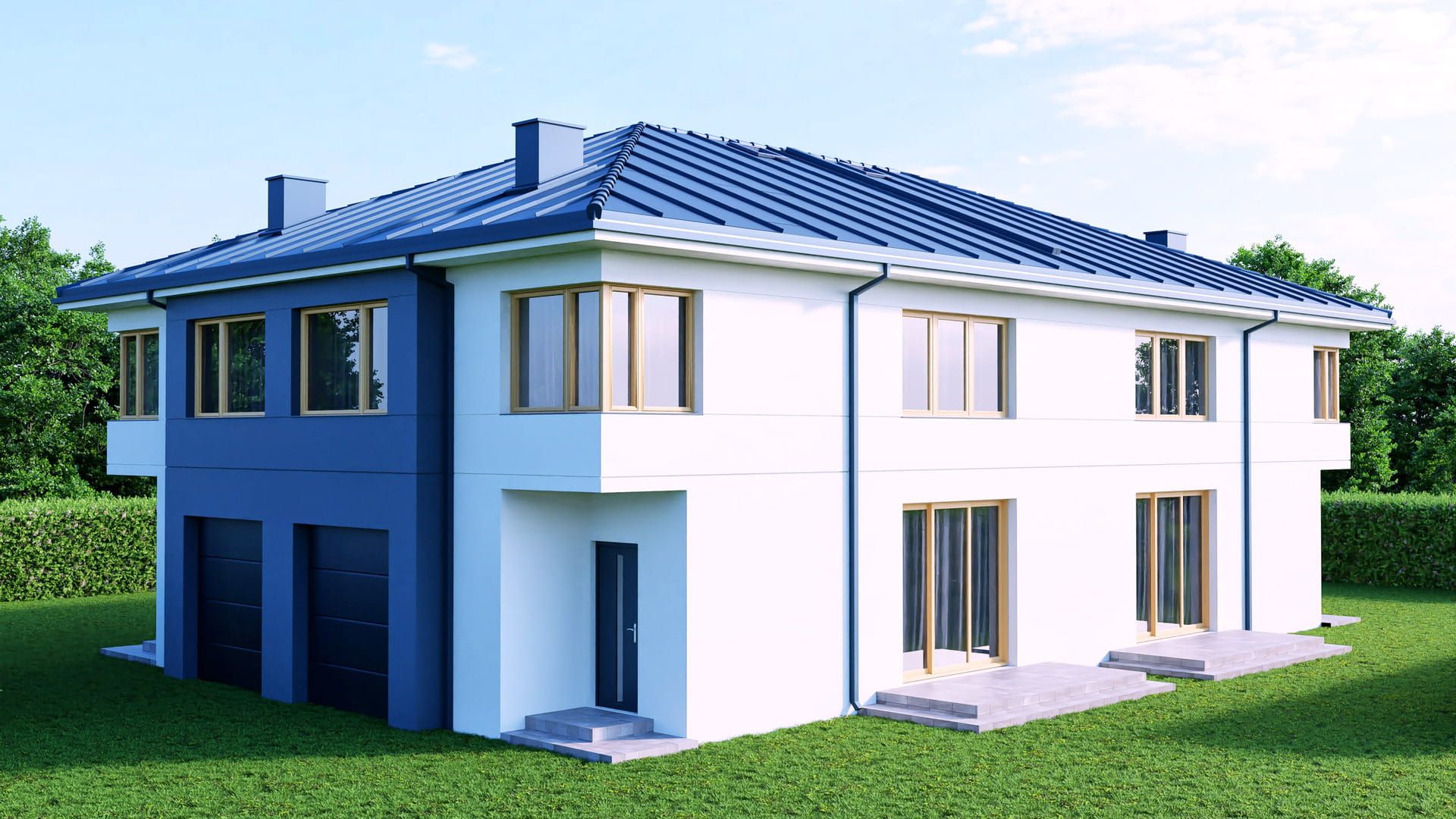
In residential development, the winner is usually the company that can explain the project in the simplest way.
Not in a technical way.
Not in an architectural way.
In a clear way.
Buyers want to see right away what the home, yard, living room, kitchen, and entry area will actually look like.
They do not want to assemble that picture in their heads from floor plans, descriptions, and legends.
That is why 3D house visualization works so well in development marketing.
You can use it on your website.
You can use it in advertising campaigns.
You can use it in materials for real estate agents.
You can use it in sales presentations and PDF brochures.
One strong visualization can do more than three pages of description.
That is why the best sales campaigns often do not begin with technical specifications.
They begin with an image.
What should a good 3D house visualization include?
Not every visualization sells.
A pretty image is not enough.
The image has to answer the buyer’s questions.
A strong 3D house visualization should show:
The shape of the building and the proportions of the home.
Exterior materials and color palette.
The surrounding environment, including the yard, fence, driveway, and nearby context.
The entry area, the patio, and the most important exterior features.
Key interiors such as the living room, kitchen, bathroom, and bedroom.
The relationship between the space and natural light.
A realistic finish level, or a clearly stated sample finish standard.
That last point matters a lot.
If you show a luxury interior but the buyer later receives a basic finish package, disappointment follows.
And disappointment costs more than a weak lead.
It costs reputation.
When is the right time to order a 3D house visualization?
The best moment comes earlier than most companies think.
Not when everything is already finished.
But when the visualization can still actively support sales and communication.
In most cases, it is worth preparing visualization:
During the architectural concept stage.
Before presales begin.
Before launching the project website.
Before starting paid advertising.
When design changes are being introduced.
When you want to show multiple finish or exterior options.
The earlier you do it, the greater the return.
One set of visualizations can work across multiple channels for months.
3D house visualization and design decisions
This is where many companies still leave value on the table.
Visualization is not only for sales.
It is also a better way to make design decisions.
When you look at a 3D model, you catch problems faster.
You can see whether the exterior feels cohesive.
You can see whether the glazing overwhelms the overall form.
You can see whether the patio works in relation to the yard.
You can see whether the interior layout actually makes sense.
That means fewer late stage revisions.
Less chaos.
Fewer expensive changes.
And more confidence that the final product will match the original intention.
What works better: static visualization, virtual tour, or animation?
That depends on the goal.
Not every tool is necessary for every project.
Static 3D visualization
This is usually the best place to start.
It works extremely well on websites, in ads, and in brochures.
It is fast to implement and delivers a strong visual impact.
Virtual tour
This works well when you want the buyer to feel like they are actually stepping inside.
It is powerful from a sales perspective because it lets people explore the space at their own pace.
Animation
This is a great option for premium campaigns and for presenting the entire development.
It builds a sense of quality and scale.
At the same time, it is more expensive, so it makes sense when it will be used in several places.
From my perspective, most companies should start with strong static visuals.
Then, if needed, expand into a virtual tour or animation.
The most common mistakes when ordering 3D house visualization
This is where budget and results often fall apart.
I see a few issues again and again.
Not enough detail in the brief
Without a clear brief, the artist has to guess.
When they guess, you get revisions.
When you get revisions, you lose time and money.
No consistency with the project brand
A premium home should not be presented the same way as a family home.
A rowhouse development should not be presented the same way as a luxury custom build.
The visualization has to match the target audience.
An image that is too perfect and not realistic enough
Buyers want aesthetics, but they also want credibility.
If everything looks like a fantasy scene, the material stops feeling trustworthy.
Showing the wrong selling points
The façade is not always the most important part.
Sometimes the yard sells the home.
Sometimes it is the oversized glazing.
Sometimes it is the main floor layout.
Sometimes it is the connection between the living room and the patio.
You need to know what actually attracts the buyer.
How to prepare a brief for 3D house visualization
A good brief saves a huge amount of work.
It really does.
A strong brief should include:
- Floor plans and elevations.
- A 3D model, if one already exists.
- Information about the target audience.
- The purpose of the asset, whether it is for sales, advertising, a website, a brochure, or a sales office.
- The expected finish level and degree of realism.
- Visual references.
- A list of required views.
- The deadline and number of versions.
- Information about the surroundings and site elements.
The better you describe the expected result, the better the final material will be.
That is not bureaucracy.
That is an advantage.
Does 3D house visualization increase the value of the offer?
Yes, because it increases perceived quality.
And perceived quality often determines whether a buyer submits a lead, books a meeting, or comes back to the listing a second time.
In practice, it works like this.
Two developments have similar square footage, a similar price point, and a similar location.
One looks average.
The other looks professional and clearly communicates the final result.
Guess which one gets more attention.
Buyers judge quickly.
Sometimes brutally quickly.
That is why better presentation is not just an aesthetic upgrade.
It is a competitive advantage.
3D house visualization and SEO
This topic is often overlooked, which is a mistake.
Well described visualizations can support your website’s visibility in search.
They help when:
- You use descriptive file names.
- You add meaningful alt text.
- You place the visuals within valuable written content.
- You build supporting content around the home design, exterior finishes, interiors, and project standards.
- You publish educational articles that answer buyer questions.
This matters because Google does not evaluate the image alone.
It evaluates the context of the page around it.
That is why the render itself is not enough.
You also need strong copy, strong structure, and a clear purpose.
How to get the most out of 3D house visualization?
This is another place where many companies leave money on the table.
If you already have the asset, use it everywhere it can work.
I would look at it like this:
- Project website.
- Advertising campaigns.
- Social media.
- Email campaigns to your contact list.
- Sales presentations.
- Property sheets and PDF brochures.
- Materials for real estate agents.
- Sales banners.
- Blog articles.
One set of visualizations can function like a complete mini sales system.
But only if it is created from the start with multiple uses in mind.
Final thoughts
3D house visualization helps buyers see what does not exist yet.
That is why it shortens the distance between concept and purchase decision.
That is why it improves communication.
That is why it strengthens marketing.
That is why it supports sales.
And that is exactly why I believe it should no longer be treated as an optional extra.
It is a real business tool that influences both sales velocity and the overall perception of a residential development.
If you are selling homes, building a community, or growing a residential development brand, good visualization does not just look impressive.
It produces results.
FAQ: 3D House Visualization
Is 3D house visualization only for large developments?
No.
It also works for single family homes, duplexes, and smaller residential communities.
In fact, it often makes a major difference there because it allows a smaller project to look polished and professional.