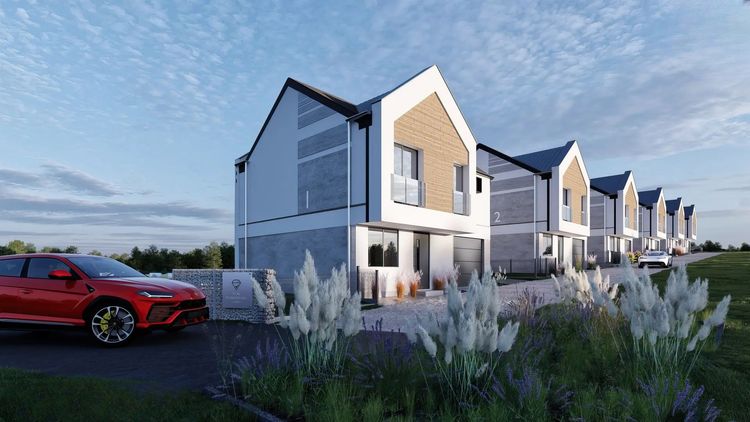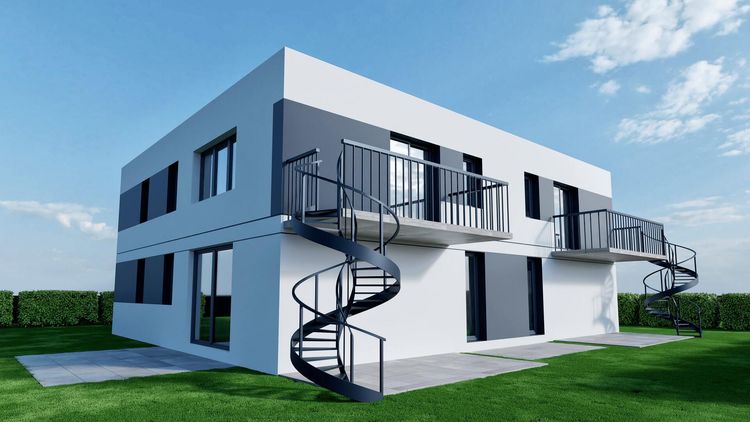


Are You Selling Apartments or Houses That Don’t Exist Yet?
Real Estate Visualizations Are Your Best Sales Tool.
People buy with their eyes. If you don’t show them what the final project will look like, expect them to go to the competition.
What Are Real Estate Visualizations?
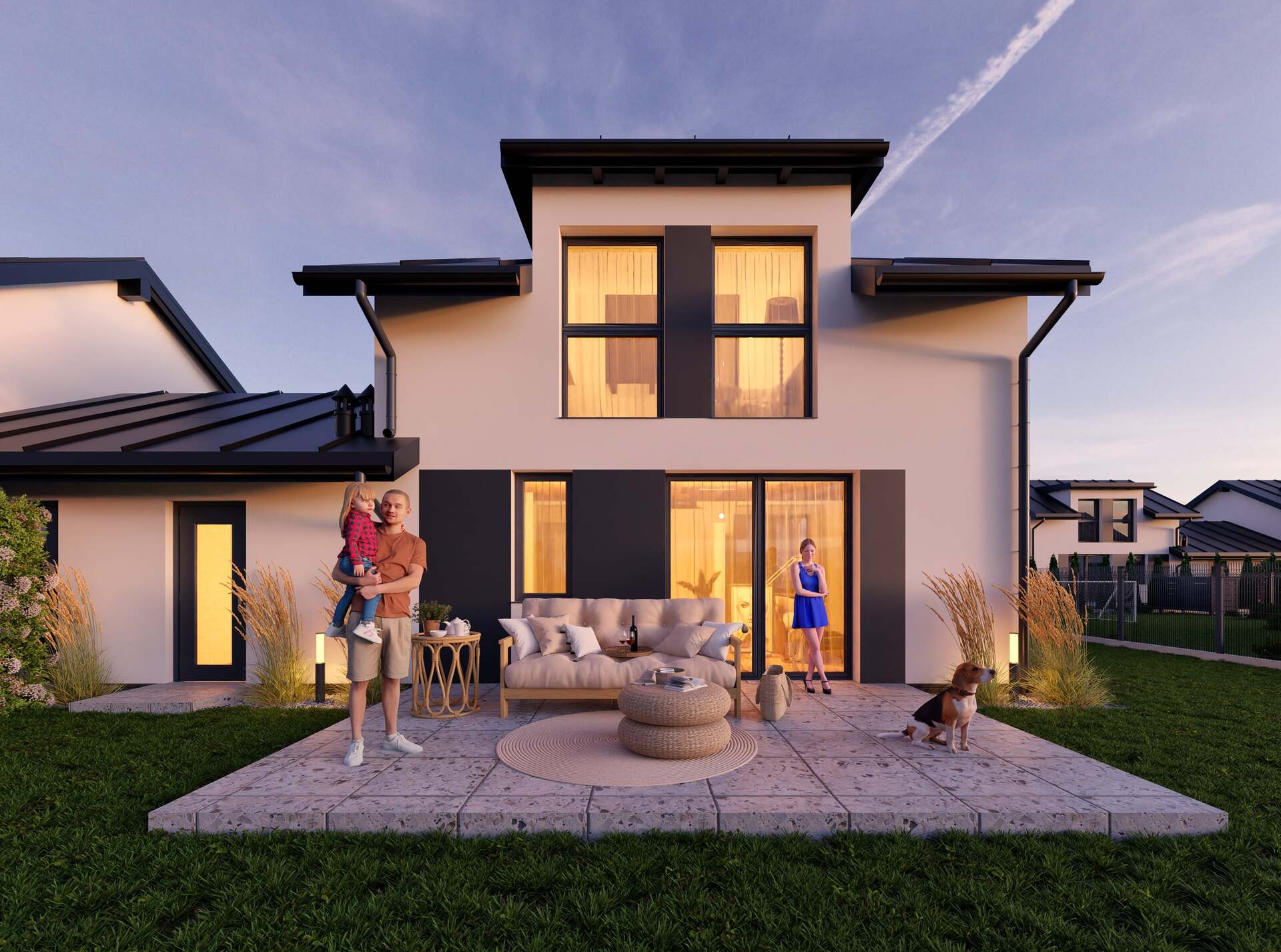
These are photorealistic images that present the property investment before its completion.
They can showcase both exterior architecture and interior spaces.
Application?
- Property website and real estate developer website
- Promotional brochures
- Social media ads
- Billboards and printed materials
See examples of 3D visualization projects
See how similar solutions looked in real REND.PRO projects.
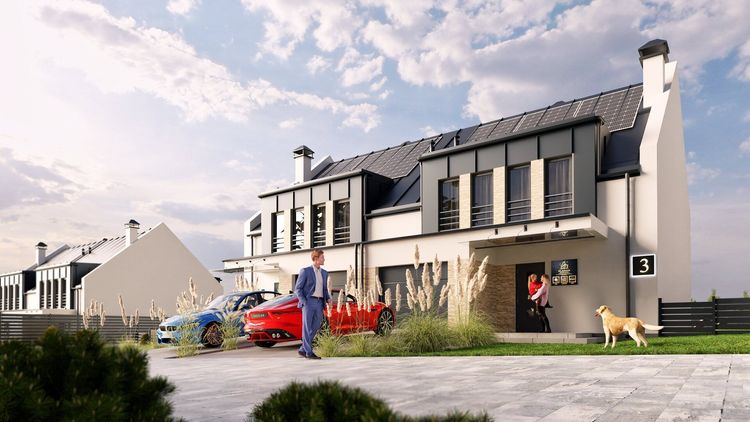
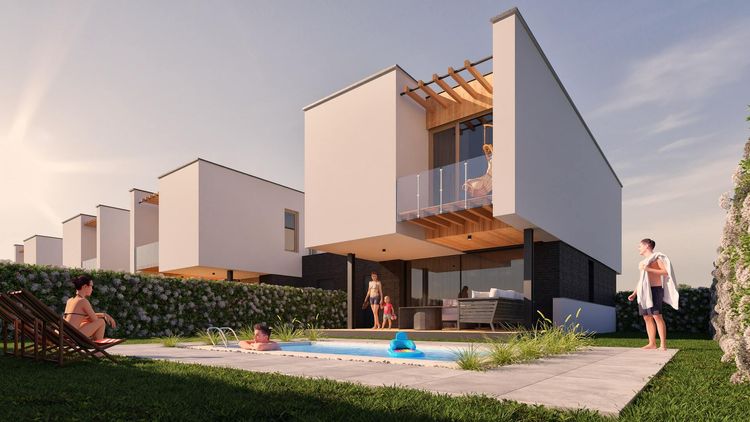
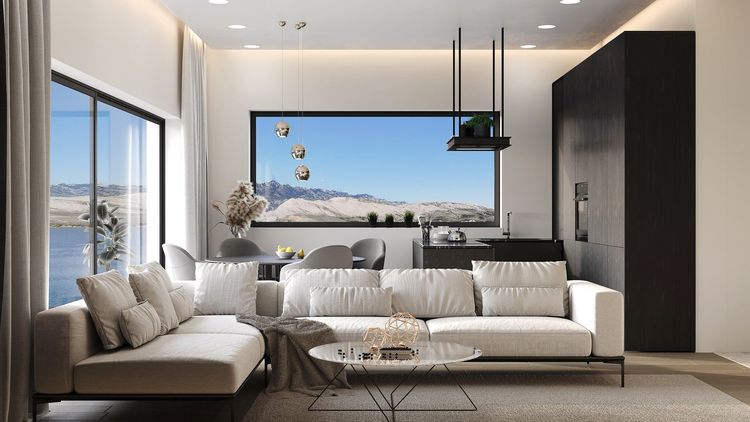
Why Do Real Estate Visualizations Change the Game?
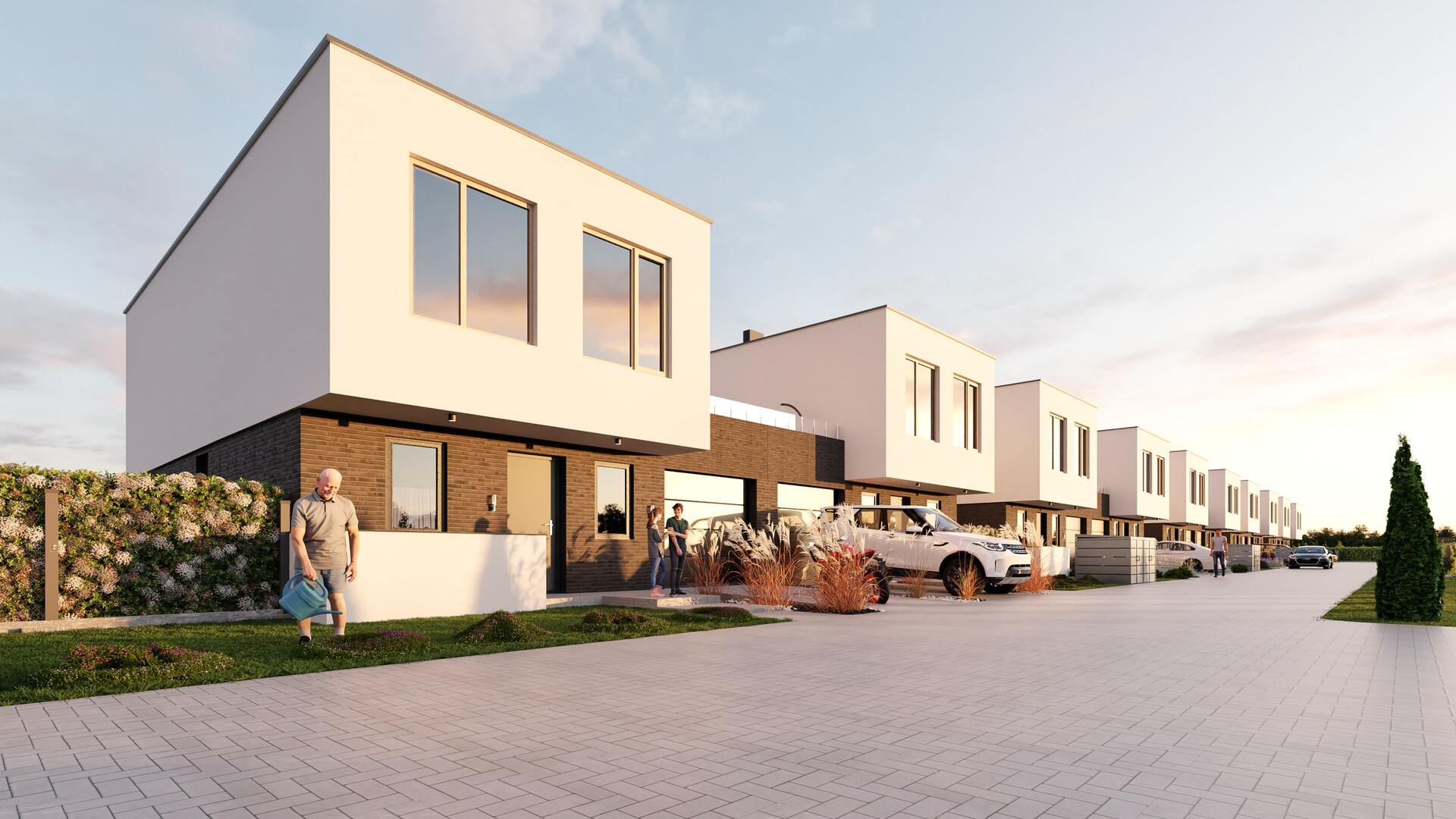
1. Easier Sales
People don’t buy “square meters.” They buy a lifestyle.
A good visualization shows how they will live, shortening their decision-making time.
2. Higher Perceived Value
Spreadsheets don’t sell.
A polished visualization makes an investment look more premium, even if prices are mid-range.
3. Better Marketing
- No photos – no ads.
- No visualizations – no buyers.
With realistic images:
- Facebook and Instagram ads attract more attention
- Landing pages convert better
- Clients can “enter” the interior before construction even starts
4. Faster Decisions from Investors
If you’re looking for partners, visualizations help convince them to invest.
A better-looking project = a higher chance of funding.
How Much Does It Cost?
Pricing depends on the level of detail and number of shots. Average price range:
- Single exterior visualization – $200–$750
- Interior visualization – $250–$1,000 per shot
- 3D animations – $1,250–$5,000
Is it expensive?
Look at ROI – if a visualization speeds up sales by 3–6 months, the cost quickly pays off.
Is It Worth It?
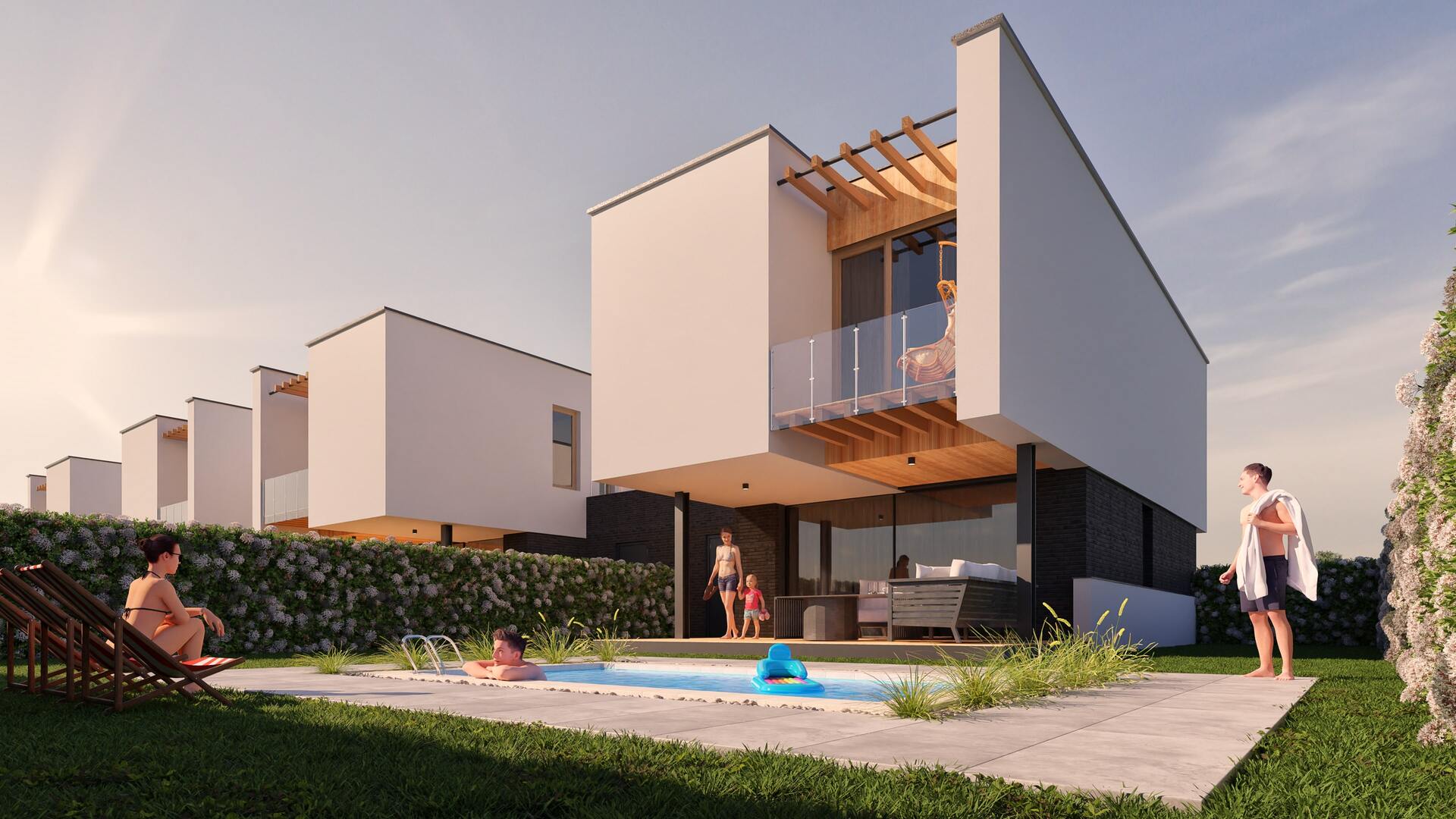
If you want to sell faster and build a premium brand – YES.
Without visualizations, competing in the market is difficult.
Your investment can look like a top-tier project – or a basic AutoCAD sketch. The choice is yours.
FAQ – Frequently Asked Questions
1. How long does it take to create real estate visualizations?
The timeline depends on the complexity of the project.
A single visualization usually takes 7–10 business days, while complete materials (interiors, façade, surroundings) may take 2–6 weeks.
2. What materials are needed for real estate visualizations?
To create realistic visualizations, you’ll need:
- Architectural drawings (plans, sections)
- Elevation views
- Reference materials (e.g., interior style, inspirations)
- Information about the property’s surroundings (landscape, neighboring buildings)
- Guidelines on colors and materials
The more detailed the data, the better the final result.
3. Can I request modifications during the visualization process?
Yes, most companies offer one or two revision rounds in the price.
However, major changes (e.g., a new interior concept, layout modifications) may generate extra costs and extend the timeline.
4. Do real estate visualizations help increase sales?
Absolutely. Photorealistic visualizations capture buyers’ attention and help them better imagine their future home.
Good visualizations:
- Shorten the decision-making process
- Increase the perceived property value
- Improve website conversion rates
5. Should I invest in interior visualizations if I’m selling unfinished apartments?
Yes! Empty rooms don’t sell – clients struggle to picture the finished space.
With realistic interior visualizations, you can showcase the potential of a property, making decisions easier for buyers.
6. How much do real estate visualizations cost?
Prices depend on quality, number of shots, and project complexity. Estimated price range:
- Exterior building visualization: $200–$750
- Interior visualization: $250–$1,000 per shot
- 3D animation: $1,250–$5,000
While the cost may seem high, it quickly pays off through faster sales and increased buyer interest.
7. Can I order real estate visualizations for an existing building?
Yes! Visualizations are a great tool not only for new investments but also for renovations and refurbishments.
You can showcase:
- How the building will look after thermal modernization
- A new interior design for older apartments
- Façade transformations
8. Should I order static visualizations or 3D animations?
It depends on your budget and marketing strategy.
- Static visualizations work well in brochures, websites, and billboards.
- 3D animations and virtual tours allow clients to “walk through” the property, increasing engagement.
If you’re investing in premium marketing, animations and VR are a great addition.
9. Can real estate visualizations include surrounding elements like neighboring buildings?
Yes! Professional visualizations can integrate surroundings, providing better spatial context for buyers.
You can add:
- Greenery, trees, parks
- Urban infrastructure (roads, sidewalks, streetlights)
- Neighboring buildings
This makes the visualization more realistic and appealing.
10. What are the most common mistakes in real estate visualizations?
Some of the biggest mistakes include:
- Over-idealization – Interiors and buildings that don’t match reality
- Lack of details – Missing lighting, window reflections, reducing realism
- Incorrect proportions – Oversized furniture, unnatural lighting
- Low resolution – Blurry images unsuitable for printing
For a professional look, it’s worth investing in an experienced company specializing in real estate visualizations.
Contact RendPro for expert solutions.