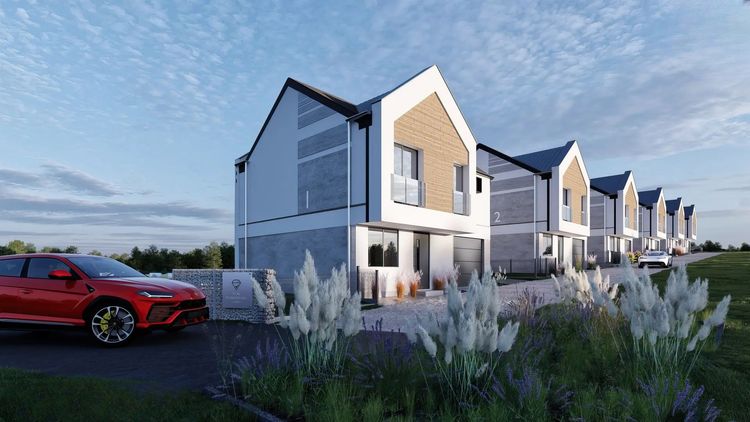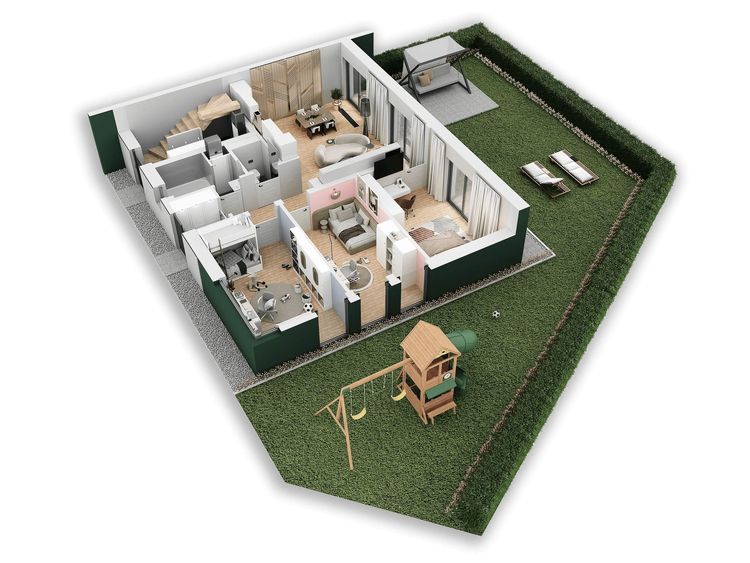


In the real estate development industry, first impressions matter – and 3D architectural visualizations can make that impact better than any words.
If you're a real estate developer or architect, you’re probably wondering how to capture the attention of potential clients and investors. How can you show them your projects so they feel as if they're already there, even before the foundation is laid?
The answer is photorealistic 3D architectural visualizations.
In this article, I’ll explain what these visualizations are, why they’re worth investing in, and how they can help you gain a competitive edge and speed up sales.
What are photorealistic 3D architectural visualizations?
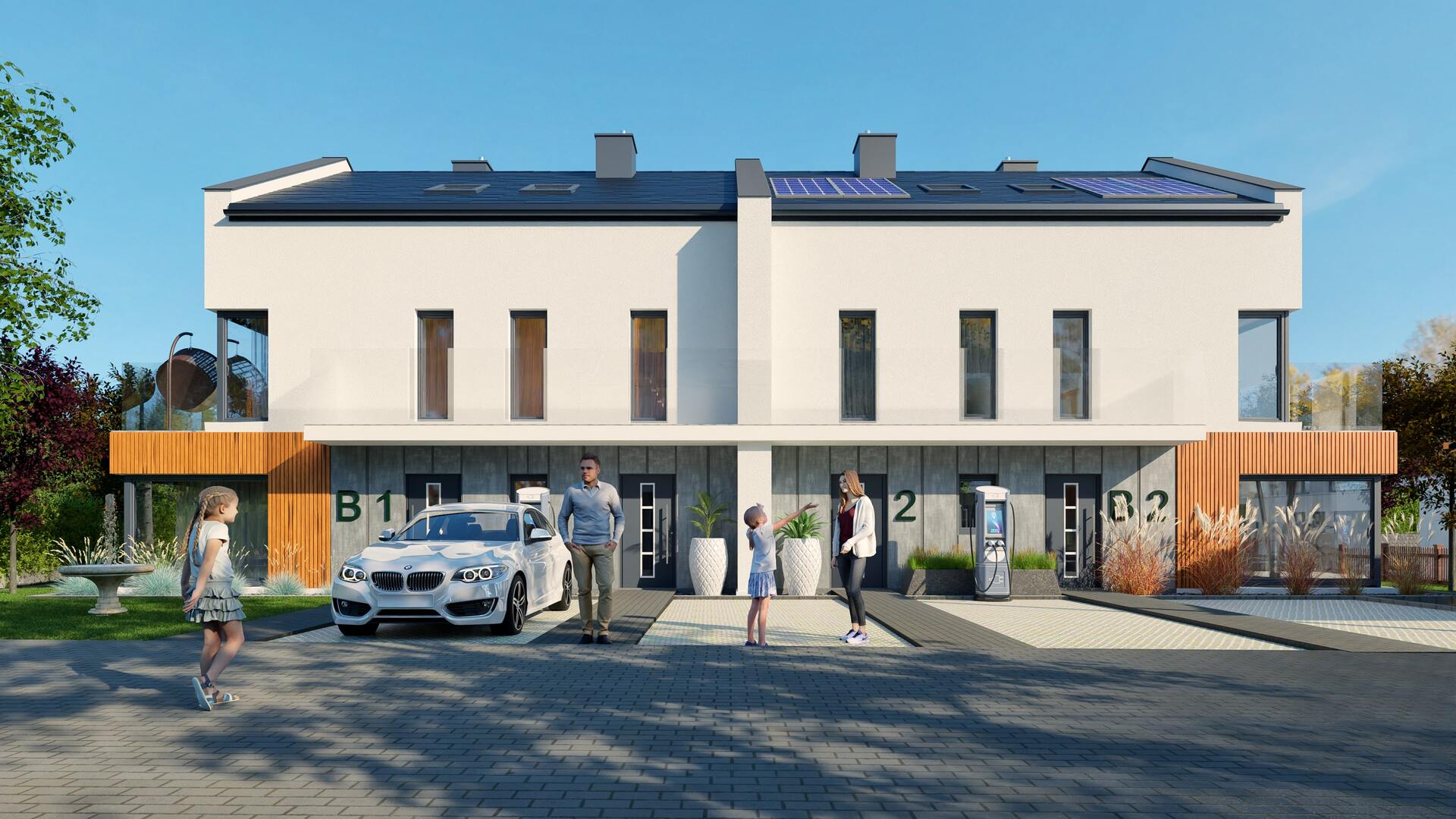
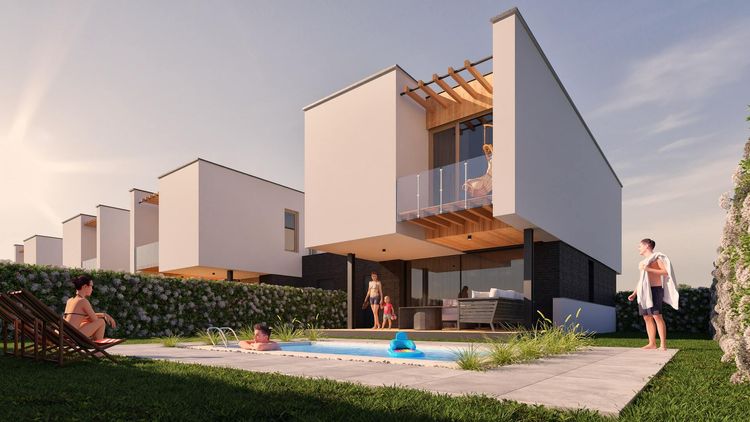
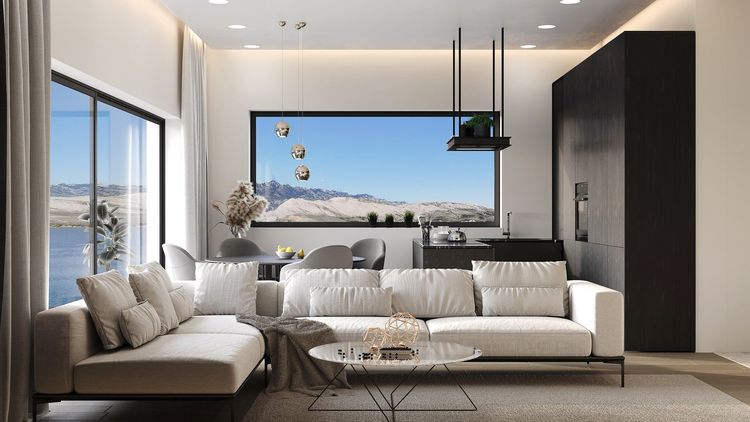
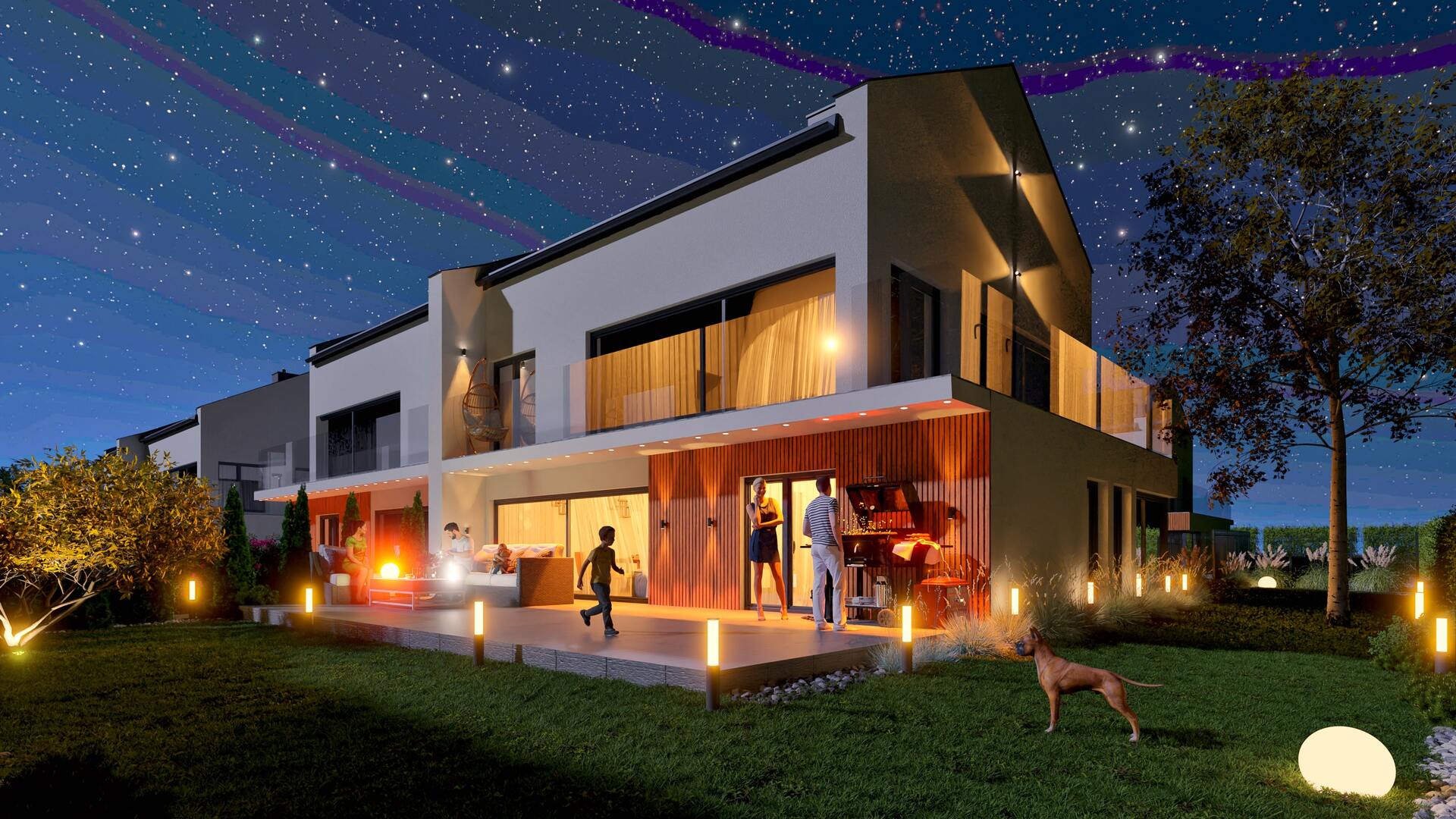
3D architectural visualizations are digitally generated images that present building projects in the most realistic way possible. Using advanced 3D modeling and rendering techniques, architects and real estate developers can create images that look like real photos of future buildings, interiors, and surroundings.
This tool allows clients to "see" the investment before it physically exists. Photorealistic 3D architectural visualizations replicate every detail – from material textures and lighting to shadows and small interior furnishings.
See photorealistic 3D visualization projects
See how similar solutions looked in real REND.PRO projects.
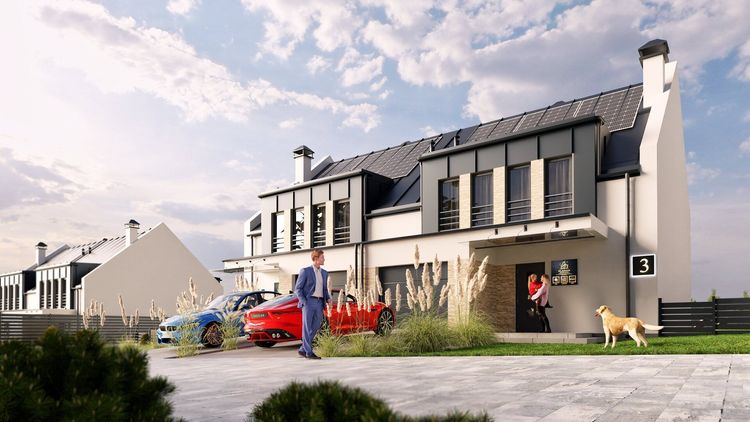
Why are photorealistic 3D visualizations so important for real estate developers?
3D architectural visualizations are not just attractive graphics; they’re a powerful sales tool that directly impacts financial results and project presentation.
Key benefits of 3D architectural visualizations:
Imagining the finished project
Instead of looking at flat plans or technical drawings, clients see a realistic image of the building. 3D architectural visualizations let them feel what the completed project will look like.
Building a competitive edge
The real estate market is competitive, and projects need to stand out. Photorealistic 3D architectural visualizations attract attention and make a project more appealing than the competition’s offerings.
Increasing trust
Realistic images build credibility for the project. Clients feel more confident investing in something they can "see" and understand.
Shortening the sales cycle
3D architectural visualizations help convince potential buyers faster. When clients see the finished product, they make purchase decisions more quickly.
Easier communication with investors and partners
Photorealistic images are an excellent tool for presenting projects to investors, helping them better understand the real estate developer's and architect's vision.
How are photorealistic 3D architectural visualizations created?
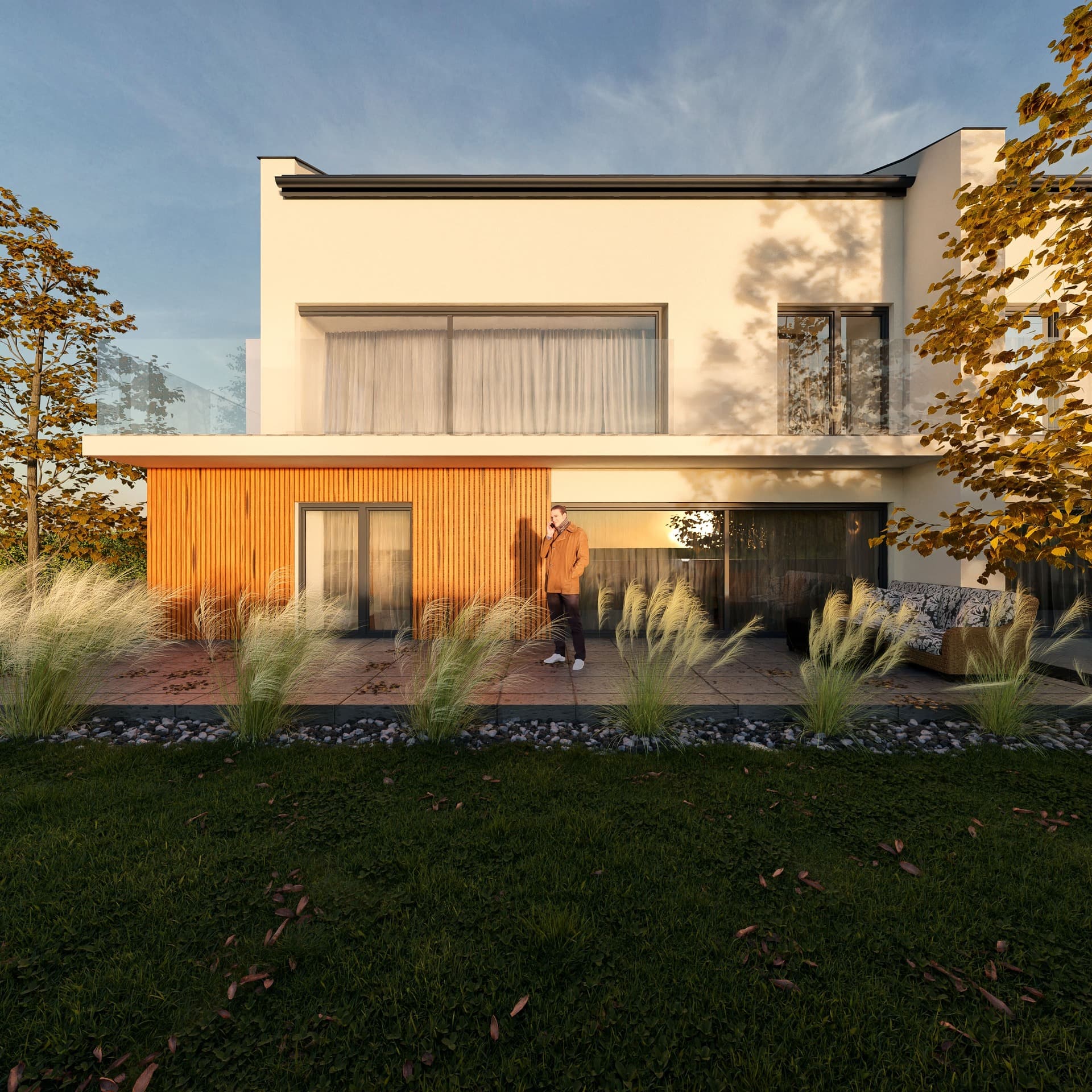
Creating 3D architectural visualizations takes time and precision, but the end result is worth it. Here are the key steps:
3D modeling
Creating an accurate 3D model of the project that reflects all structural elements of the building.
Adding textures and materials
For a photorealistic visualization, the 3D model must have appropriate textures and materials that realistically represent actual surfaces, such as concrete, glass, wood, or metal.
Lighting and shadows
Lighting setup is key to realism. Different light sources are used in 3D architectural visualizations so the image looks natural at different times of the day.
Rendering
This is the stage where the 3D model is processed into a finished image. This process requires advanced equipment and specialized software to achieve maximum quality and realism.
Post-production
The final touch – color correction, retouching, and adding additional elements (such as greenery, furniture, or people) that make the image look even more realistic.
Where should you use 3D architectural visualizations?
Photorealistic 3D architectural visualizations have a wide range of uses and can be employed across various promotional materials:
- Websites and social media: Attractive visualizations capture attention and generate interest in the project.
- Sales brochures and catalogs: Visualizations help clients envision the project and build an emotional connection.
- Sales presentations and client meetings: Photorealistic images are invaluable when presenting the project to clients and investors.
- Virtual tours and VR: 3D architectural visualizations can be paired with VR technology, offering clients virtual tours of the building, especially effective in selling luxury real estate.
Are 3D architectural visualizations worth the investment?

Photorealistic 3D architectural visualizations are a costly tool, but the value they add to a project is immense. In a time when clients expect the highest quality and realism, investing in professional visualizations is a step that can significantly influence sales success.
Ultimately, 3D architectural visualizations help sell emotions and vision – something that traditional sketches or plans cannot achieve.
Contact RendPro – we’ll create photorealistic 3D visualizations for you.
Summary
Photorealistic 3D architectural visualizations are an investment that significantly increases the value and attractiveness of a project. They’re not just beautiful images but a powerful tool that builds emotions, attracts clients, and supports the sales process.
By investing in high-quality 3D architectural visualizations, you give your clients the chance to see the finished project – and that could be the decisive factor that makes them fall in love with your investment at first sight.
Frequently Asked Questions (FAQ)
1. How much does it cost to create a 3D architectural visualization?
The cost depends on the project’s complexity, the level of detail, and rendering quality. It usually ranges from several hundred to several thousand dollars per single image. More complex and demanding projects may incur higher costs.