

Want to design your dream interior yourself but don’t know where to start?
Maybe the thought of not having experience scares you.
Or perhaps you’re worried about making costly mistakes?
Don’t worry!
You don’t need to be a professional architect to create a space that’s beautiful and functional.
In this guide, I’ll show you step by step how to design an interior you’ll love and share the trends that will dominate in 2025.
Ready? Let’s get started!
What is Interior Design?
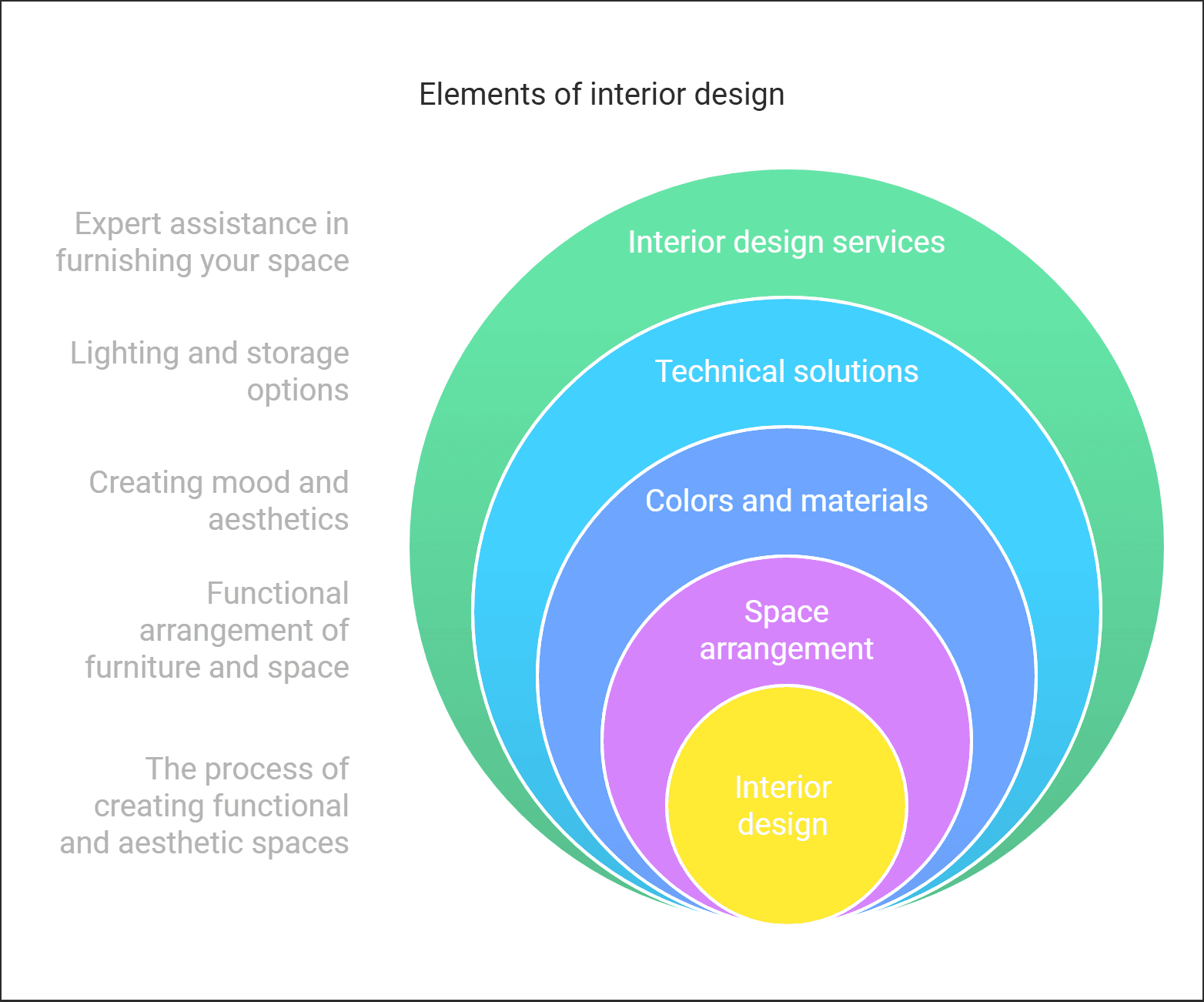
Interior design is the process of creating spaces that are not only aesthetically pleasing but also functional and tailored to the users' needs.
It’s about combining room layouts, colors, furniture, lighting, and accessories into a cohesive whole that works in daily life.
It’s more than choosing nice cushions or wall colors.
It’s an art that requires an understanding of space, ergonomics, and the preferences of the people who will use it.
Interior design includes:
- Creating functional layouts – arranging furniture for maximum comfort and convenience.
- Selecting colors and materials – to make the space cozy or modern.
- Technical solutions – like proper lighting or storage solutions.
That’s why many people planning to furnish their homes or apartments turn to experts offering interior design services.
What Does the Interior Design Process Look Like?
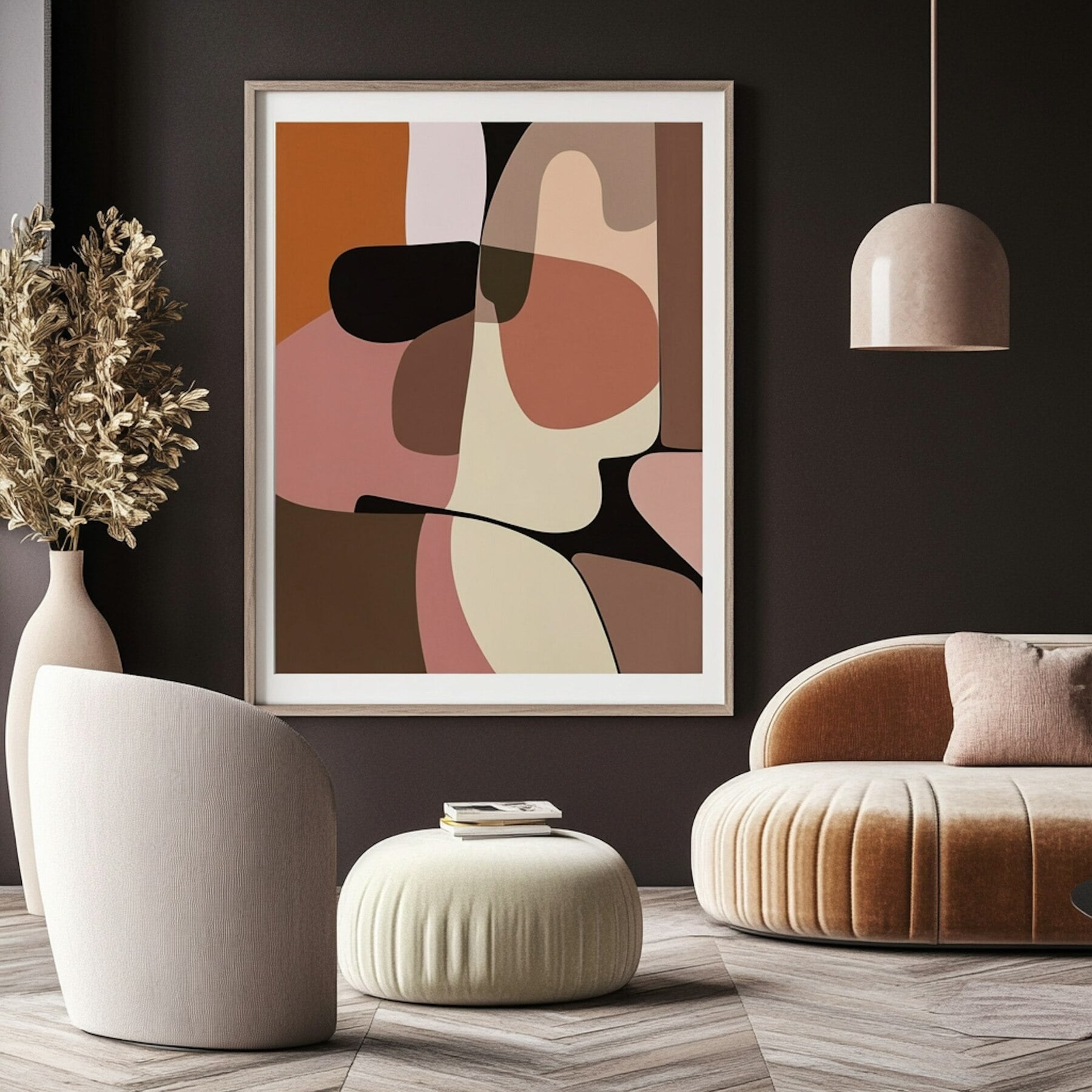
Interior design is a process consisting of several stages, each crucial for ensuring the final result meets the user’s expectations.
Here’s a step-by-step overview:
1. Understanding the Client’s Needs
The designer asks questions to understand what you want from your interior:
- What functions should the space serve?
- How many people will use it?
- What style do you like?
Example:
If you have a small apartment, the priority will be smartly utilizing every inch of space.
2. Creating a Concept
This stage involves drafting an initial design, including:
- Furniture layouts, colors, styles, and inspirations.
- Mood boards and visualizations to help you see how the interior will look.
3. Technical Design and Details
This is where detailed plans come to life:
- Placement of outlets and light fixtures.
- A list of materials, furniture, and decorations.
This phase is key to ensuring everything is measured and planned correctly.
4. Project Execution
Time to bring the plan to life!
If you’re using interior design services, the designer may oversee the renovation and arrangement to ensure everything matches the plan.
1. How to Start Designing an Interior
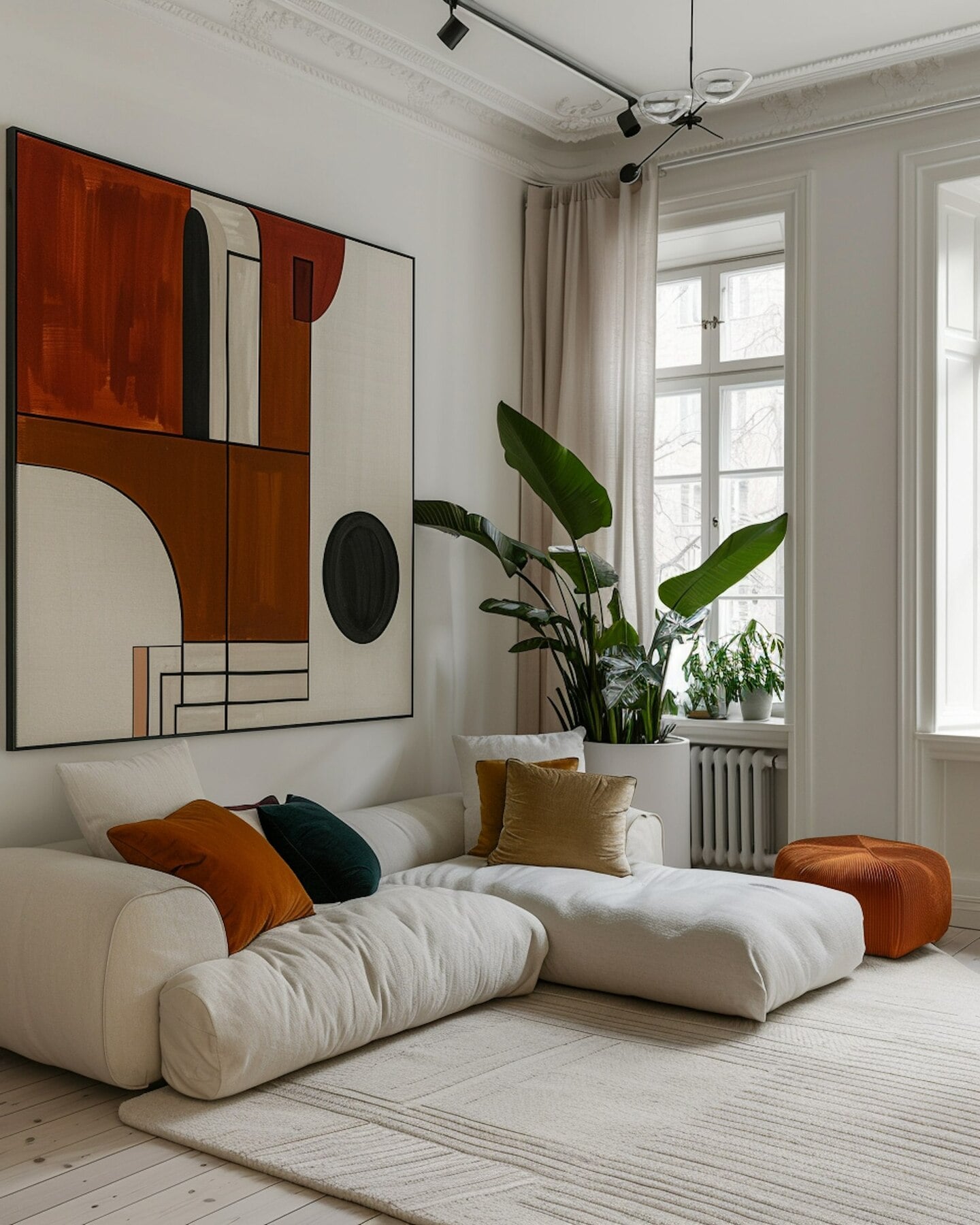
Before buying anything (even a cushion!), think about:
- How will you use this space? (e.g., relaxing, working, cooking)
- How many people will use it? (e.g., family, kids, pets)
- What are your daily needs, and what bothers you about your current interior?
Example:
If you have small children, choose easy-to-clean fabrics and avoid sharp edges in furniture.
If you work from home, plan a dedicated work corner with good lighting.
Define Your Budget
Most people start shopping without checking their budget first. Avoid this mistake!
Decide where you want to allocate the most funds:
- Furniture? Invest in items like a sofa you’ll use daily.
- Finishes? If your floors and walls are sturdy, other elements can be updated later.
Tip:
Write down your priorities in a list. This will help you avoid blowing your entire budget on minor items.
2. Step-by-Step Interior Planning
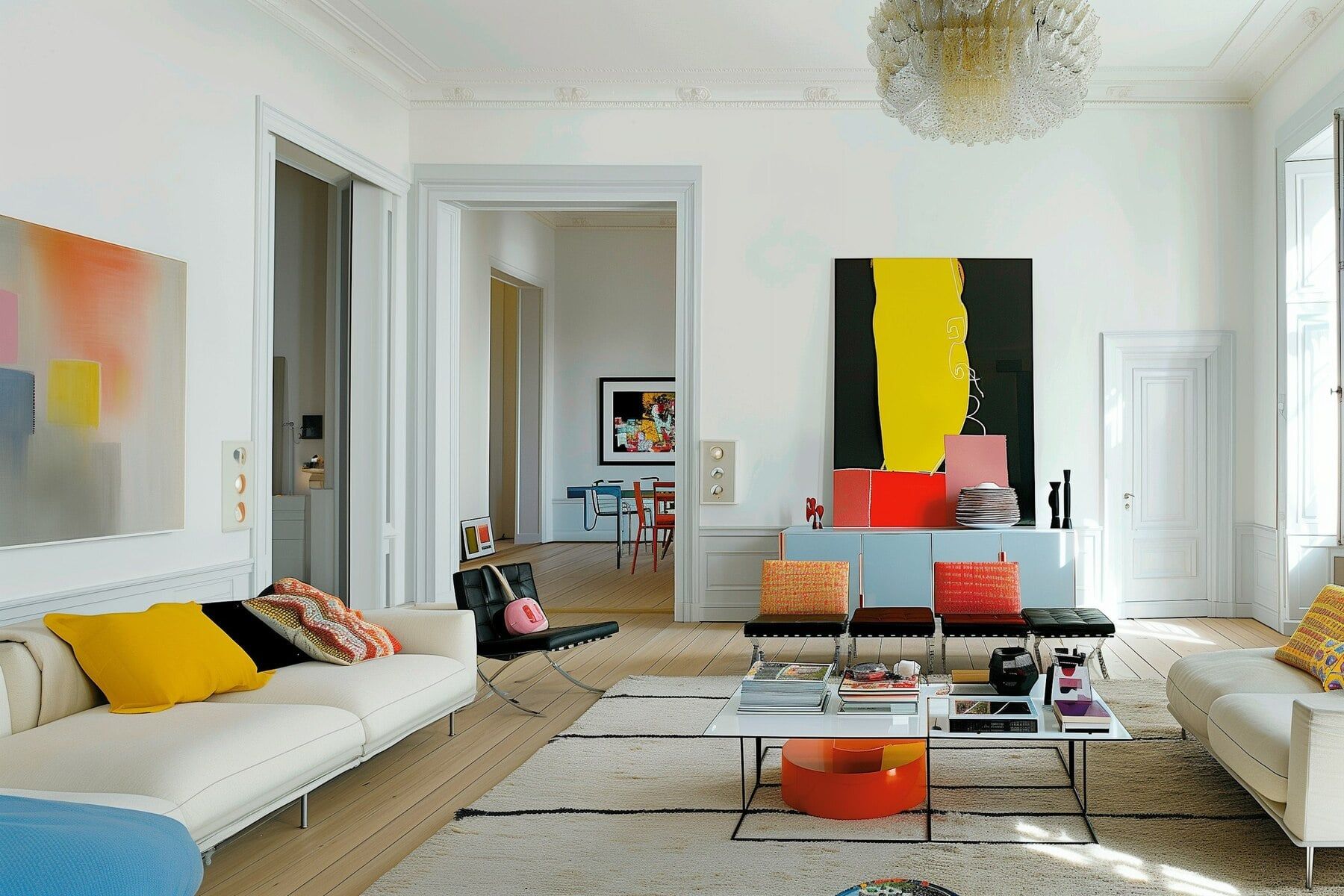
Start with Inspiration
Browse Pinterest, Instagram, or interior design shows. Save anything that appeals to you—colors, layouts, furniture.
But don’t copy everything exactly. Inspiration is meant to help you discover your style.
Create a Room Layout
Grab a pen and paper (or use free apps like Room Planner) and sketch the room. Indicate:
- Where doors and windows are located.
- The furniture you want to include and its placement.
Pro-Tip:
Don’t overcrowd the room. Ensure at least 60 cm of free space between furniture pieces for comfortable movement.
Choose Colors and Materials
Colors significantly affect how you feel in a space.
Rules for Choosing Colors:
- Light colors (white, beige, pastels) visually enlarge small spaces.
- Dark colors (navy, forest green) add coziness but work better in larger rooms.
Follow the 60-30-10 rule:
- 60% main color (e.g., walls).
- 30% complementary color (e.g., furniture).
- 10% accents (e.g., cushions, decorations).
Trending Materials:
- Natural and recycled wood.
- Linen and cotton.
- Stone, e.g., marble.
Add Lighting
Lighting often gets overlooked, but it sets the mood of the space.
Types of Lighting to Include:
- Main light – e.g., ceiling lamp.
- Task lighting – e.g., desk lamp.
- Accent lighting – e.g., LED strips behind the TV.
Focus on Details
It’s the finishing touches that make a space feel complete.
Must-Have Additions:
- Textiles – rugs, curtains, cushions.
- Plants – they bring life to any interior.
- Decor – artwork, candles, books.
But don’t overdo it! Minimalism is in style, so avoid clutter.
3. 2026 Interior Design Trends
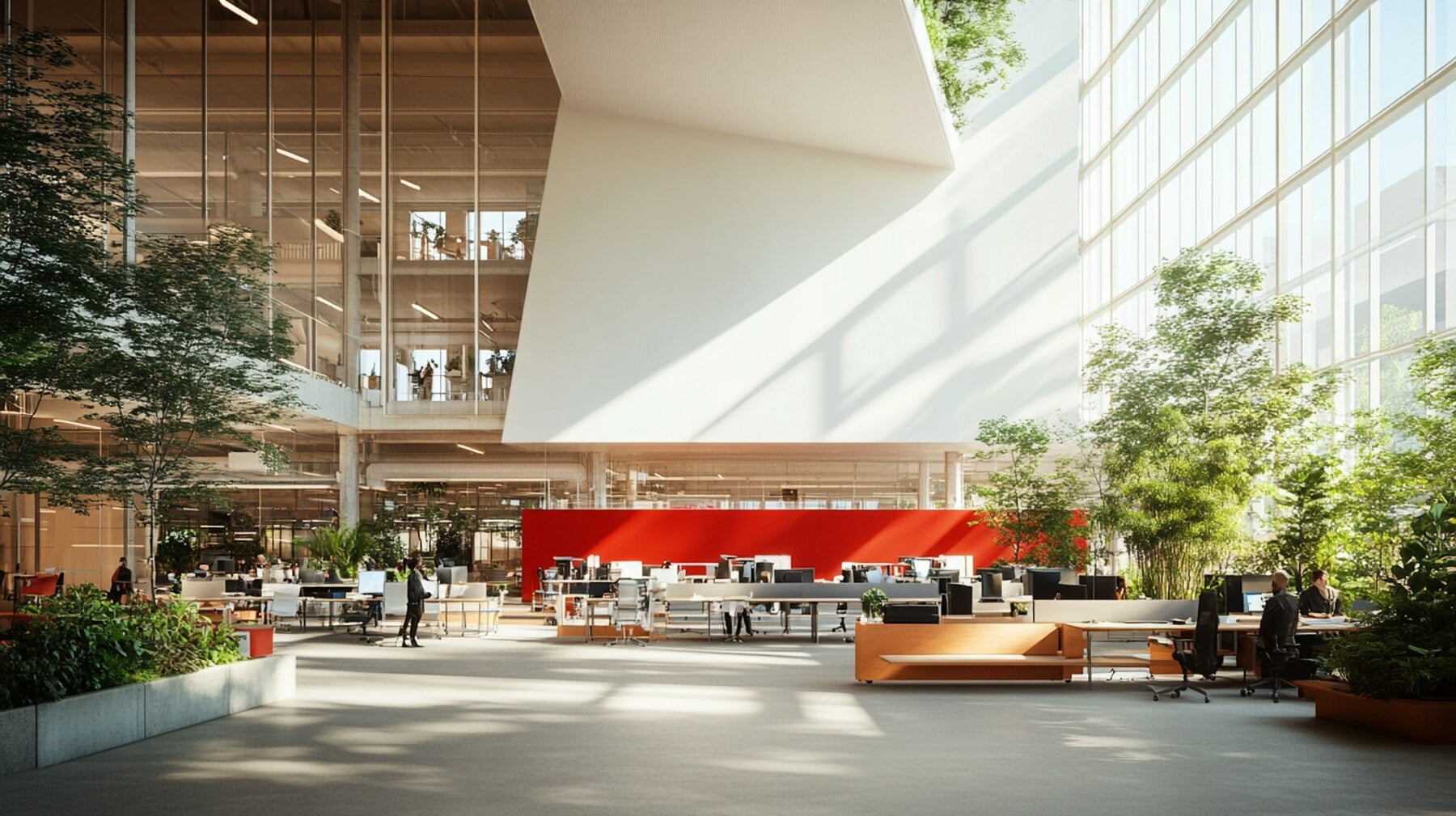
1. Earthy Colors and Nature
Shades inspired by nature—greens, browns, beiges—will dominate. Pair them with natural materials like wood, linen, and rattan.
2. Multifunctional Spaces
With more people working from home, spaces combining multiple functions will be trendy.
Example: A living room with a hidden desk or a bedroom with a meditation corner.
3. Retro with a Modern Twist
Velvets, geometric patterns, and colors like mustard yellow or navy are making a comeback.
4. Minimalism and Personalization
Fewer things, more space. Each item has a story and reflects the owner’s personality.
Summary
Interior design is an adventure that requires some time and effort but brings incredible satisfaction.
Remember:
- Start with a plan.
- Stick to your budget.
- Focus on functionality and your needs.
In 2026, trends will emphasize nature, multifunctionality, and personalization—elements you can incorporate into your project.
Why Hire a Professional Interior Designer?

Thinking about designing your interior yourself?
That’s great!
But here’s what you gain by working with an expert:
1. Time and Stress Savings
Designers know how to handle the process quickly and efficiently. No need to search for materials, negotiate with contractors, or worry about mismatched elements.
2. A Professional Eye
A designer can:
- Improve the functionality of your space.
- Suggest durable, high-quality materials.
- Recommend practical yet stylish solutions.
3. Budget Optimization
Hiring a designer can save you money by avoiding costly mistakes and unnecessary purchases.
4. Access to Unique Solutions
Designers have access to suppliers, manufacturers, and contractors you might not reach on your own.
5. The “Wow” Factor
A professional will create a space perfectly tailored to your lifestyle and one that leaves a lasting impression.
FAQ - DIY Interior Design
What is interior design?
Interior design is the process of creating spaces that are both aesthetically pleasing and functional, tailored to the needs of the users. It involves the harmonious combination of room layouts, colors, furniture, lighting, and accessories to create a cohesive and comfortable place for everyday living.