FAQ - 3D Interior visualizations
1. Can you create visuals in a style that matches my project?
Yes! We offer interior visuals in any style that suits your investment – from modern, minimalist or Scandinavian to art deco, tropical, zen, rustic, neoclassical and many others. Every project is tailored to your target group so you can sell even more effectively.
2. Which rooms can you show in 3D?
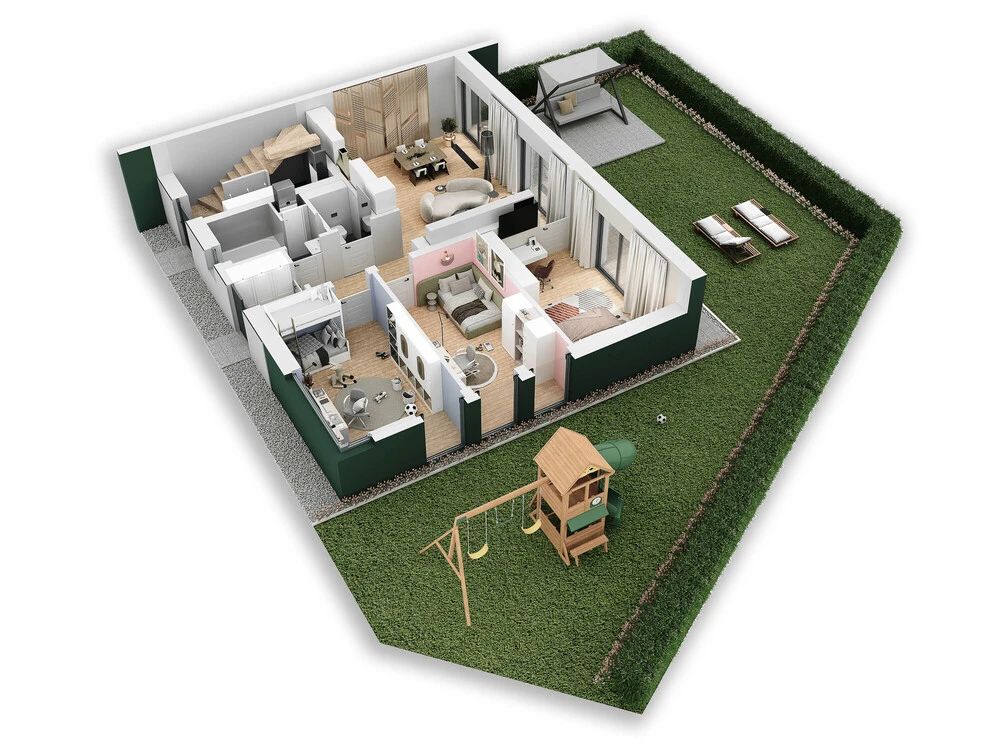
Any you wish! Living room, kitchen, bathroom, bedroom, children's room, office or any other space – we'll create realistic 3D visuals for any room. This lets you effectively present the full potential of your investment.
3. Can I use the 3D visuals on the investment website?
Of course – and you definitely should! Visualizations work perfectly on the project website, listing portals, advertising banners and brochures. One set of professional visuals works for you in many places, generating more leads and more sales.
4. What details do you add so the visualization looks realistic and convinces clients?
We include small, realistic details that make a big difference – everyday objects, stylish decorations, plants, books and textiles. Each visualization feels authentic and evokes positive emotions in your clients – and emotions are key to effective sales.
5. What materials do I need to provide for you to create effective 3D interior visuals?
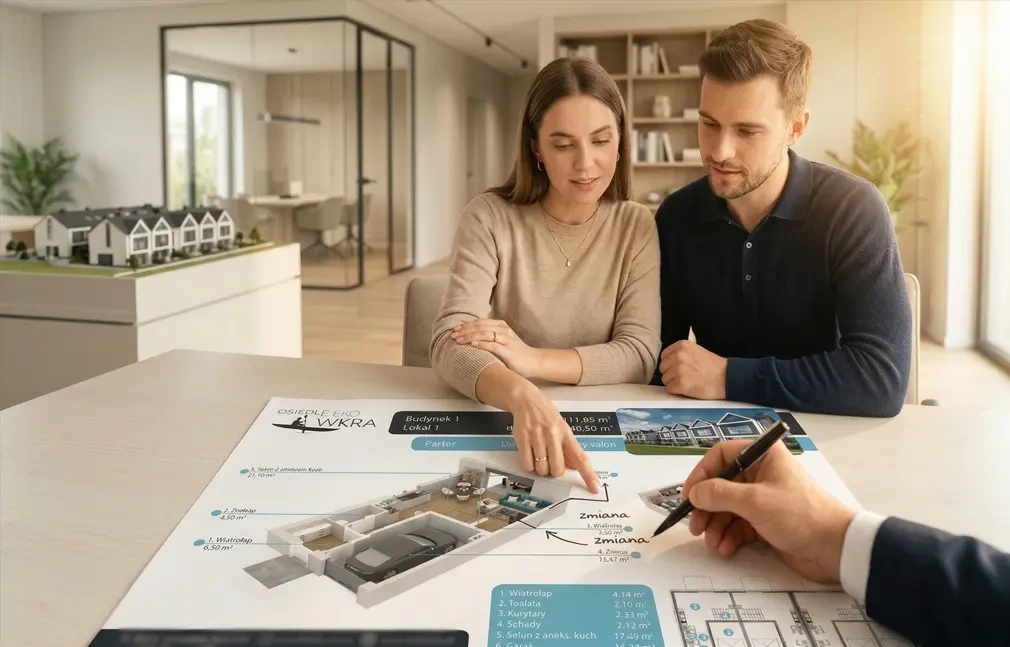
All you need is an architectural design or a detailed description of the space – our team will take care of the rest. Based on the information provided, we'll create realistic visuals aligned with your vision and your clients' expectations. We keep the process simple.
6. How much do photorealistic 3D interior visualizations cost?
The price depends on many factors: number of rooms, interior style, level of detail and project requirements. That's why we prepare every quote individually – you pay only for what you really need. One thing is certain: professional 3D visuals are an investment that quickly pays off because they influence buying decisions. Contact us for a tailored quote with no obligation.
7. How long does it take to prepare a photorealistic 3D interior visualization?
A standard set of visualizations for one apartment (2-3 rooms) is produced within 7–14 business days after receiving all materials. For larger projects or tight deadlines we arrange an individual schedule and can offer an express mode with priority service.
8. How many rounds of revisions are included in the price and what does the approval process look like?
The price includes two full rounds of creative revisions (changes to colors, furniture, details). Minor technical tweaks (e.g. brightness, contrast, typos) are carried out without limit. After each round we send a low-resolution preview, and the final files are delivered only after your final approval.
9. In what formats and resolutions will I receive the finished visualizations?
By default we provide PNG/JPEG in 4K–8K resolution (print and billboard) and web-ready versions optimized for websites and listing portals. On request we can also prepare TIFF files or vertical/square variants for social media.
10. Who owns the copyright to the visualizations – can I use them without restrictions?
Once the invoice is paid you receive a perpetual commercial license (print, web, social, outdoor, TV). We retain economic rights only to the extent necessary to present our portfolio, but we do not limit how or when you use the materials.
11. Based on the visualizations can you create an animation or a 360° panorama?
Yes. Using the existing 3D models we can prepare a short animation (fly-through 30–90 s), 360° panoramas ready for a virtual tour or VR, and clips for social media ads. The cost of such add-ons is calculated individually because it depends on shot length and scene complexity. If you want to enrich your offer with motion or interaction let us know – we will advise what will work best in your case.
Frequently Asked Questions
1. Can I outsource everything in one place?
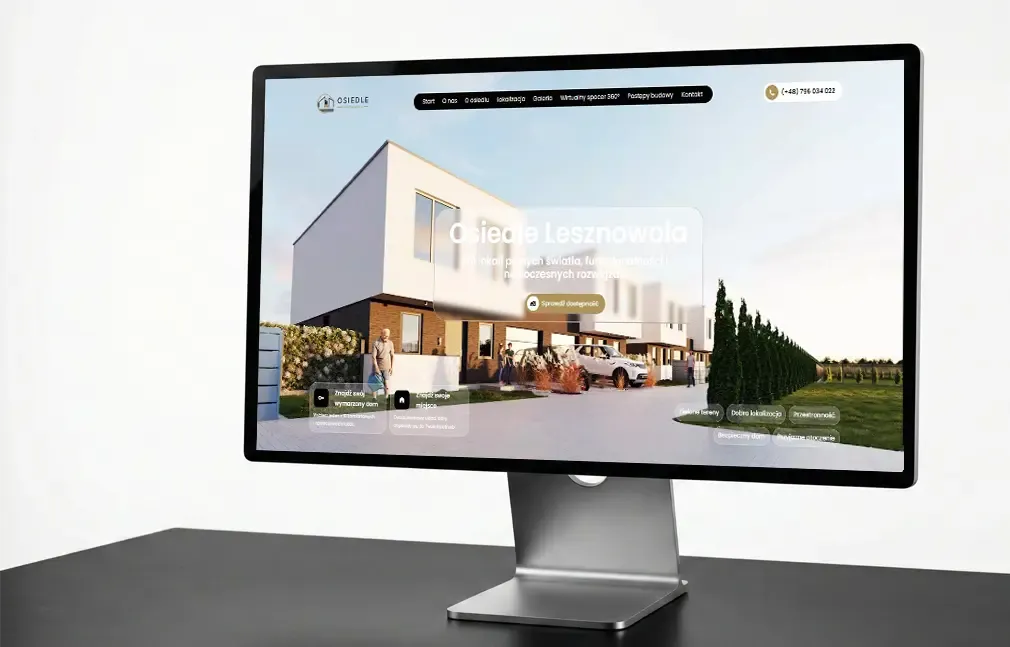
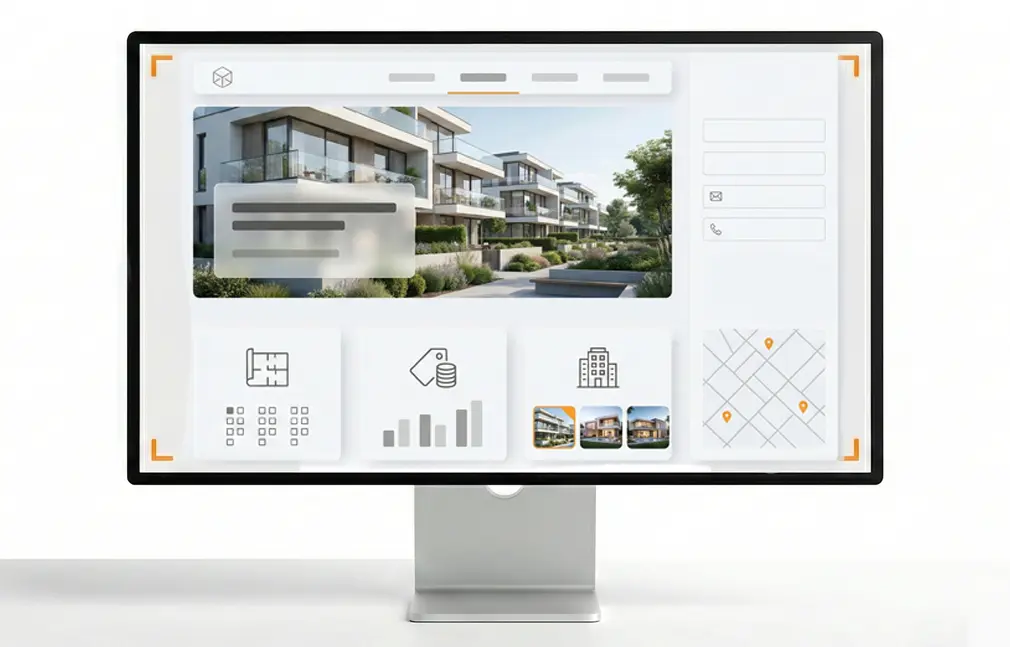
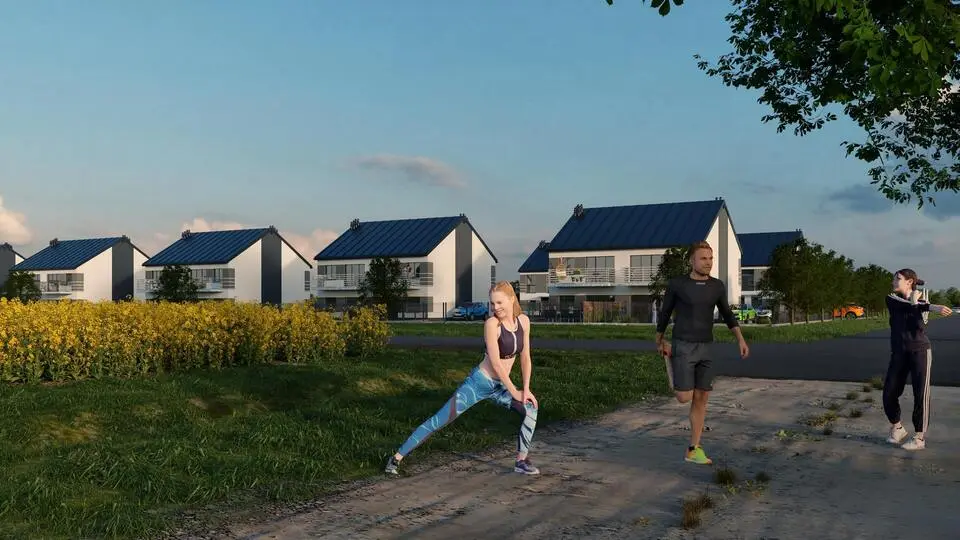
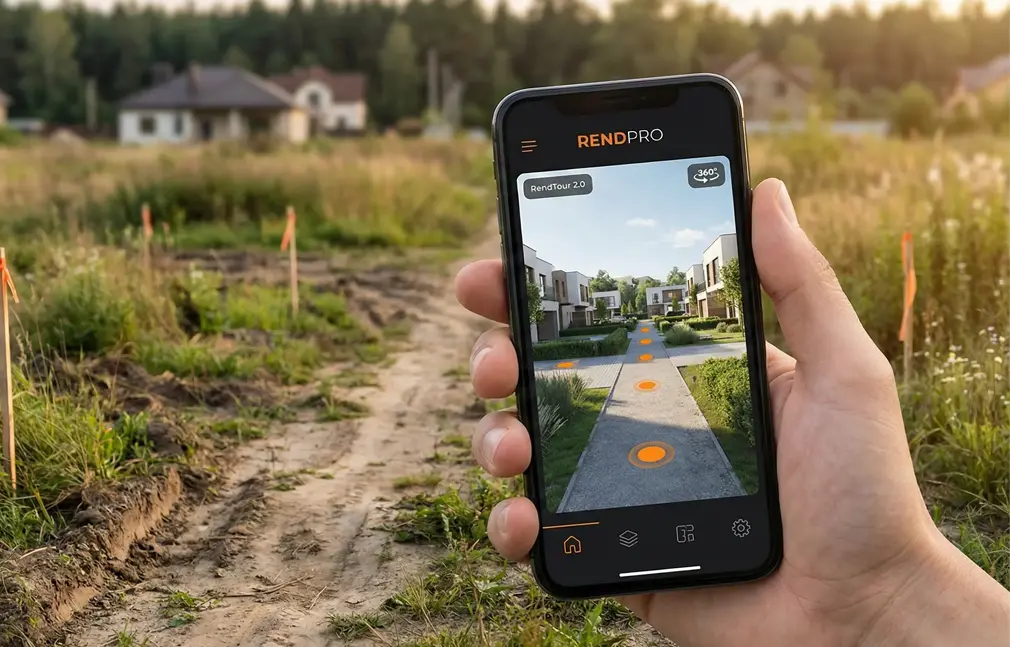
Yes. You can order a single service or the full scope needed to present and promote your development. We deliver, among other things, websites for developers, visual materials, unit cards, animations, RendTour walkthroughs, and ad campaigns. Therefore your project communication stays consistent, and you do not need to coordinate multiple vendors at the same time.
2. What is the best way to start working together?
It depends on your project stage and what you need most to launch sales. Sometimes the priority is the website, sometimes the visuals, and sometimes it is organizing the whole communication and preparing campaigns. At the beginning, we help you set priorities, so you do not invest in elements that do not deliver real value at your current stage.
3. Do you work only with large developers?
No. We work with companies running multiple developments and with developers launching their first projects. For some, scale and coordination matter most. For others, the priority is looking professional and credible from day one. In both cases the goal is the same: materials that support sales and make it easier for buyers to decide to contact you.
4. Do you work remotely?
Yes. We manage projects remotely, therefore we can work smoothly with clients across Poland. The process is structured to move efficiently from scope alignment, through production, to implementation and publishing. Because of that, you do not lose time on unnecessary logistics, and the project follows a clear path.
5. Do I need a complete set of materials to start?
No. We can work with what you already have and help organize what is missing. In practice, many projects start with partial materials that we later expand with additional content, visuals, or features. The most important part is that everything stays consistent and ready to use in sales.
6. Can I order just one service?
Yes. You do not have to start with the full scope. Many partnerships begin with one service and grow later with additional elements. This is a practical option if you want to close one specific topic first and then expand step by step.
7. What is the first step?
We start with a short call about your project, needs, and scope. Therefore it is easier to decide what should be done first and how to structure the next stages. It is a simple way to move forward without chaos and get to clear decisions quickly.