

3D photorealism is revolutionizing design and marketing.
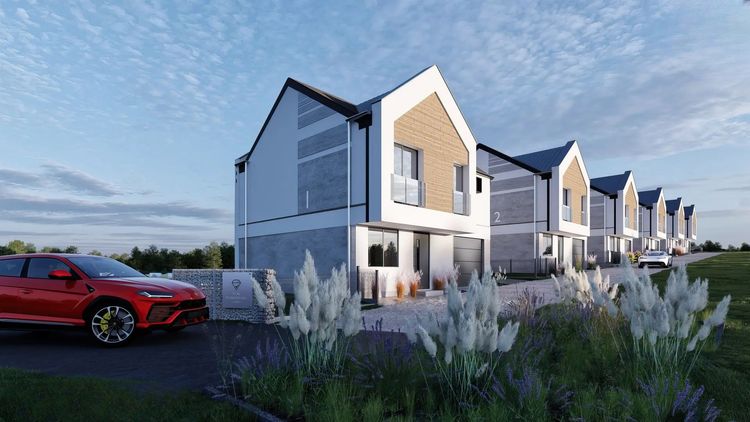
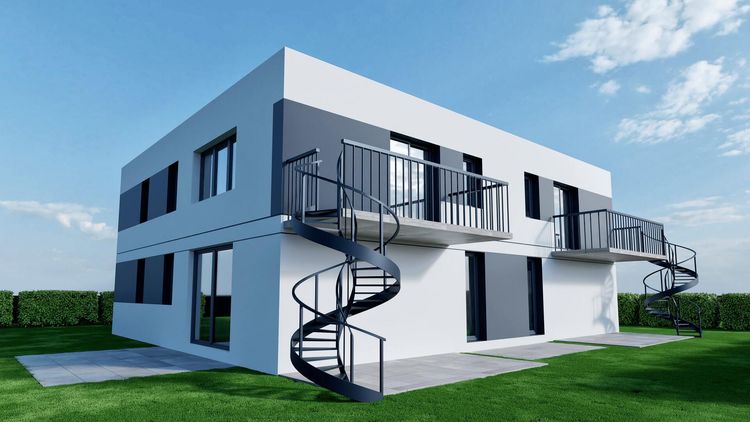
Photorealistic computer visualizations have revolutionized many industries, displacing traditional photographs and drawings. This is particularly evident in architectural design, where 3D renderings make it possible to present building facades and interior designs to clients in an extremely faithful yet aesthetically appealing form.
That's why nowadays every major architect, wishing to meet the demands of the market, commissions visualization companies specializing in 3D graphics. This not only allows them to present their project in the best light, but also often speeds up project approval and client acquisition.
3D renderings have brought a similar revolution in real estate marketing, medicine, industry and many other fields. Photorealism has opened up unprecedented presentation and simulation possibilities that have permanently changed the face of these industries.
Today, every successful architect commissions a company specializing in 3D visualization to visualize their work, and you'll see why in a moment.
Photorealistic 3D visualizations - 5 benefits for architects
1. 3D visualizations - show what the project will look like
One of the biggest challenges for architects is presenting to clients how the designed building will appear in reality. Conveying through words such issues as lighting, material textures or facade details can be difficult.
With help here come photorealistic 3D visualizations, which perfectly imitate the final effect of the work, even if the project exists only on paper. However, creating such graphics is quite a challenge, so it is common practice to outsource the renders to professional companies specializing in 3D CGI.
Outsourcing guarantees not only high quality and precision, but also meeting deadlines and full availability of the subcontractor. This is definitely a better solution than hiring a single 3D specialist in-house. The investment in professional renderings is sure to pay off, allowing you to present your real estate developer project in the best light.
See photorealistic visualization projects
See how similar solutions looked in real REND.PRO projects.
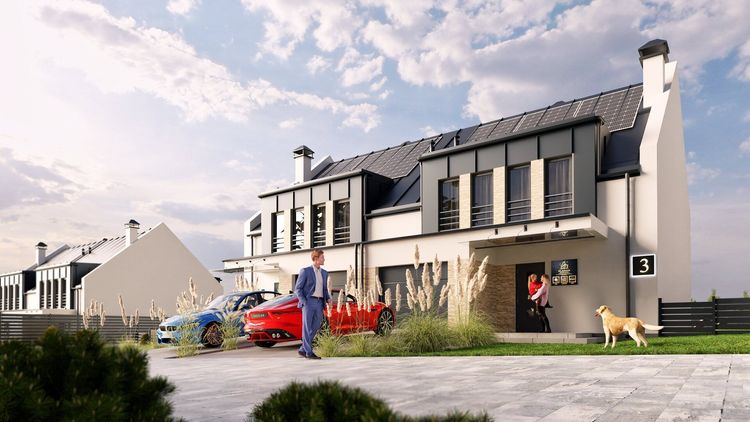
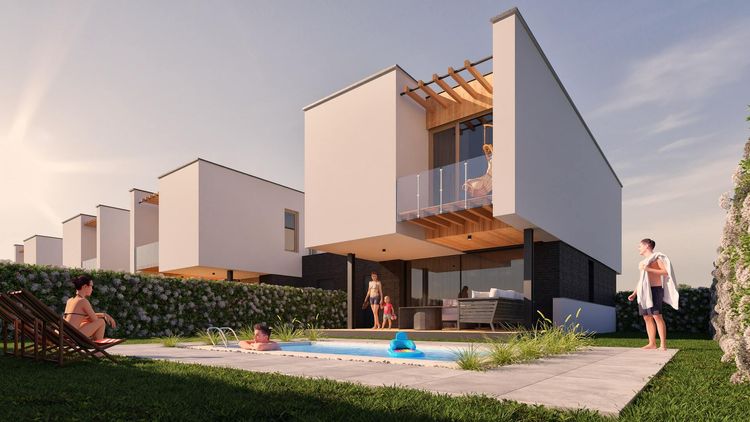
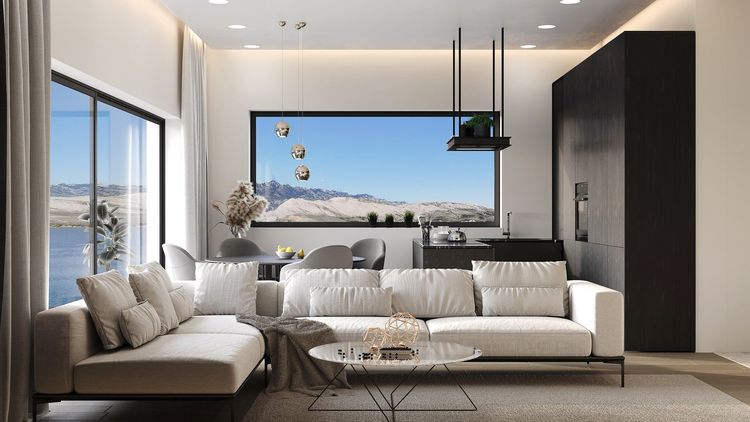
2. 3D visualizations convey emotion and awaken imagination
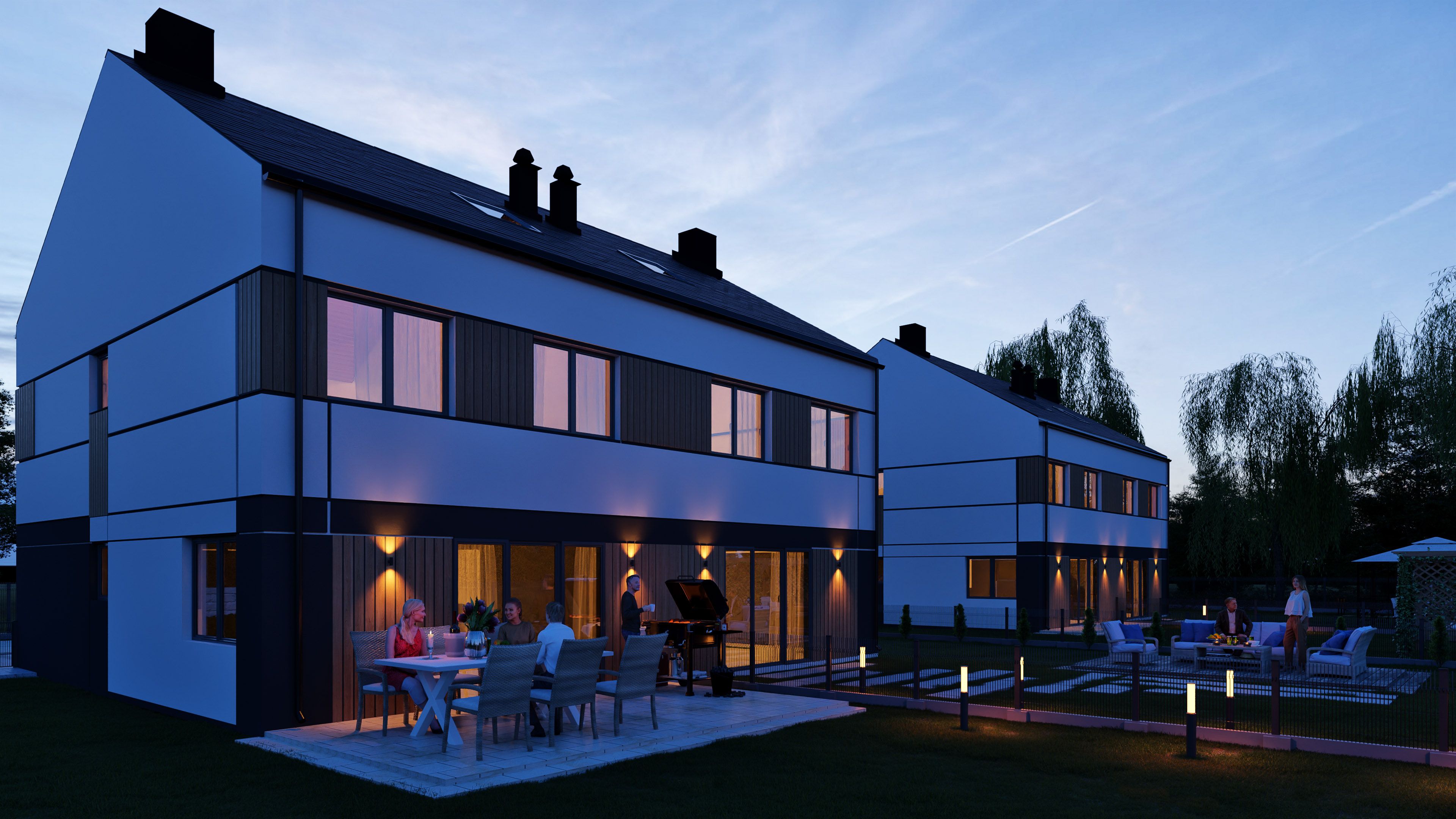
Any architectural project should evoke emotions and associations in the audience. A monumental skyscraper is supposed to shock with elegance and style. A single-family house to soothe with warmth and coziness. A restaurant to encourage with exoticism and mystery. It's crucial to convey certain values and build the imagination of the audience through the form of the building.
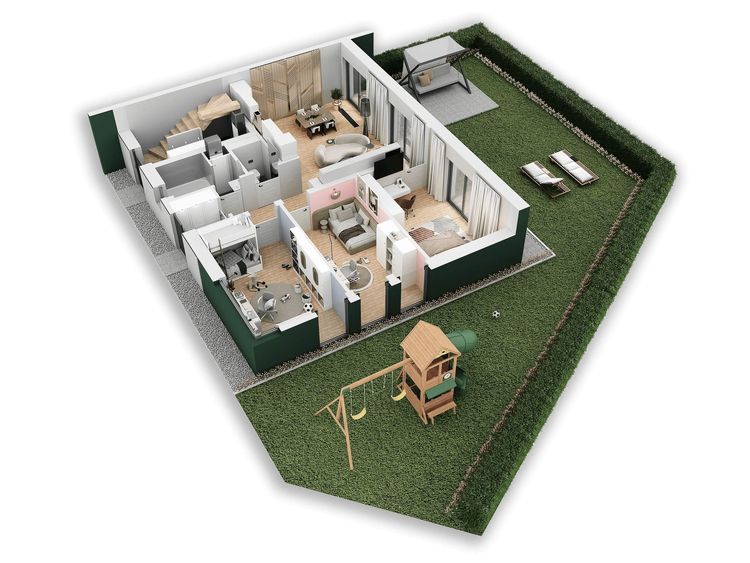
The problem arises when you need to encapsulate these emotions in a sketch or graphic design. Words will not fully convey the intended effect. This is when realistic 3D visualizations come into action. Renderings of interiors and elevations allow you to present a faithful reproduction of the planned objects with all the details. Thanks to them, it is easy to convey the intended mood or character of the place.
3D visualizations are therefore the key to stimulate the imagination and emotions of the audience even at the design stage. This is a huge advantage of this technology in the work of architects and interior designers.
3. 3D visualizations in an architect's portfolio - saving time and money
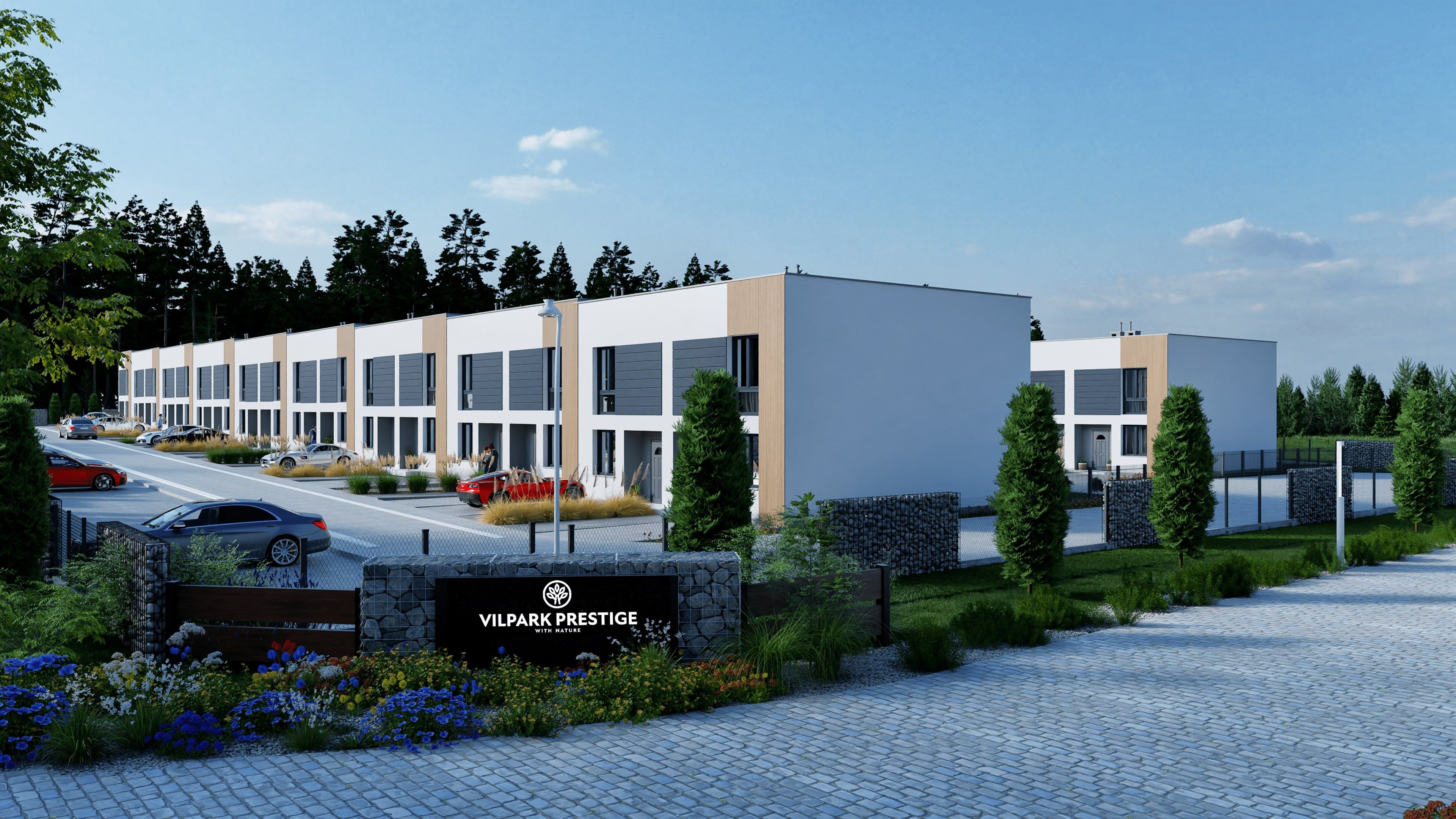
It used to be that architects had to wait until a real estate development project was completed to take photos for a portfolio. This was a tedious and expensive process. Today, technology comes to the rescue - it is possible to commission photorealistic 3D visualizations of planned buildings already at the design stage.
This saves time and money and speeds up building a reputation. Even if some of the plans do not live to see execution, the architect builds his portfolio with spectacular renders. What's more, an expert can barely tell the difference between 3D visualization and real photos.
So it's worth taking advantage of this technology and amassing a library of projects that may not be created in real life, but are sure to impress potential clients. This definitely boosts an architect's career and profits.
4. Visual Storytelling that sells the project
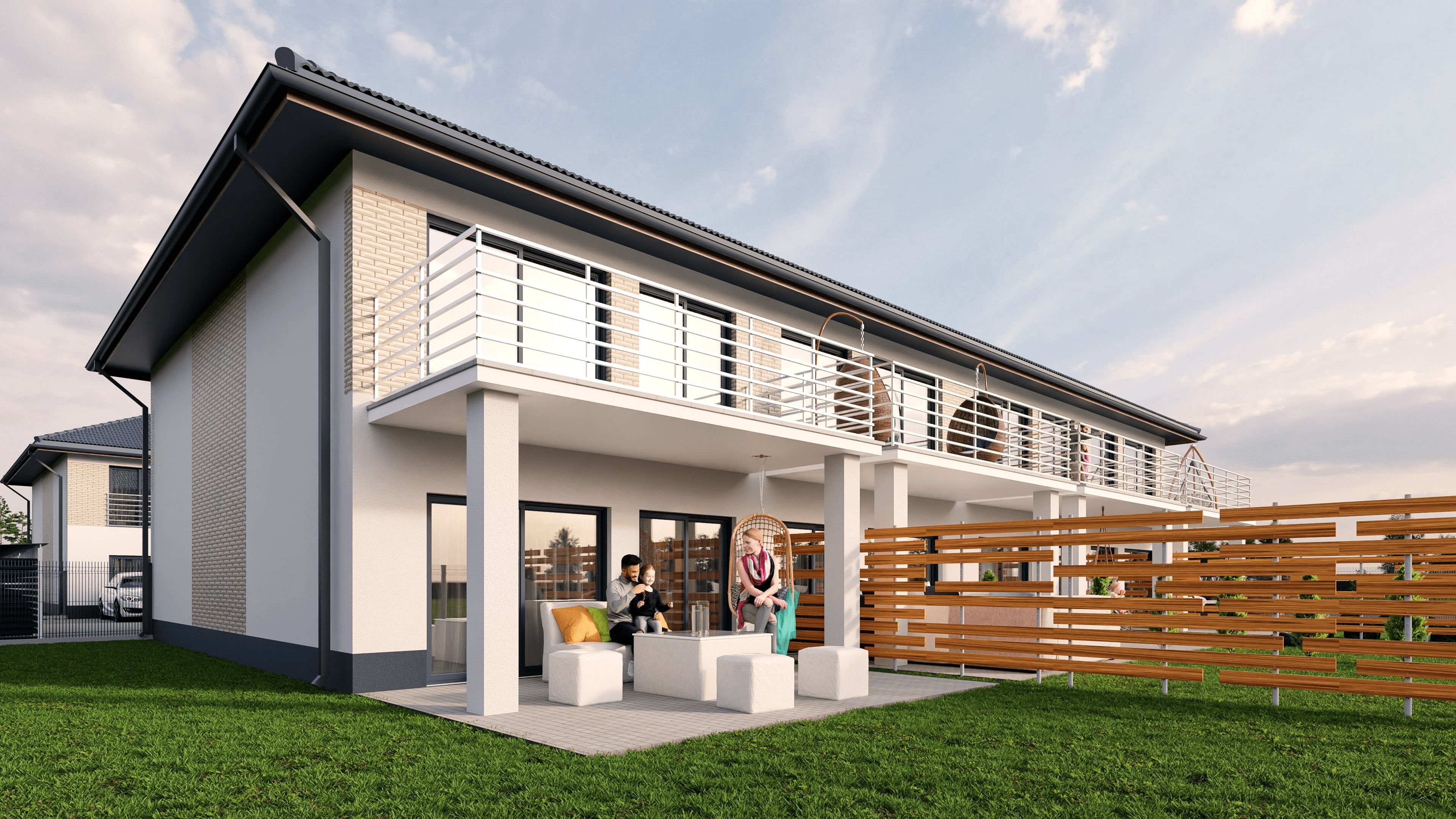
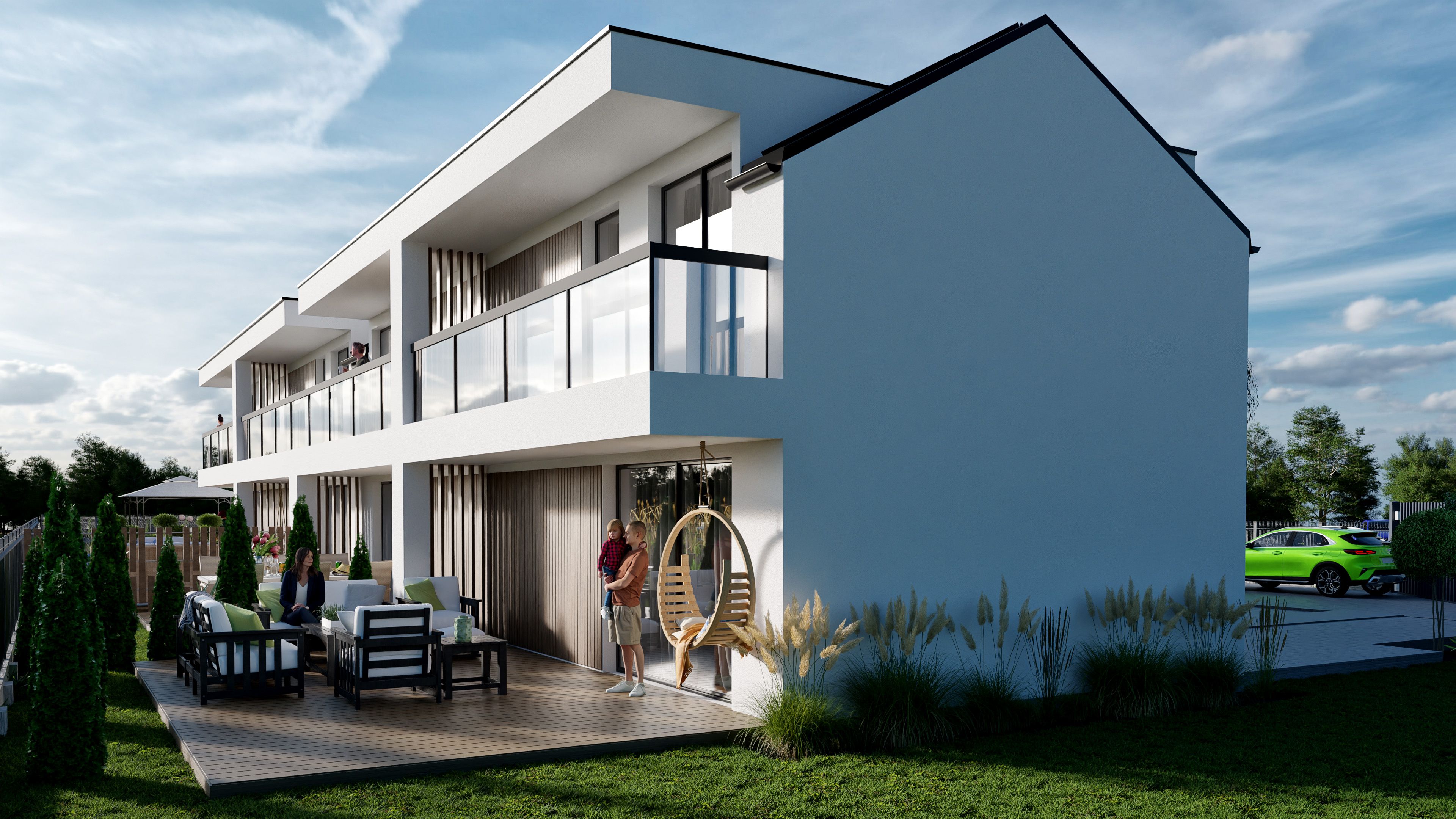
An important element in the promotion of architectural projects is so-called visual storytelling, or visual storytelling about a place. It involves the skillful selection of context, mood and details on a rendering, so that the viewer has the impression of interacting with a real object.
This makes it easier for clients to imagine functioning in the designed space, which significantly increases the chances of attracting an investor and fulfilling a contract. Of great importance is the lighting that builds the right atmosphere and the model of people in the visualization, showing the ways of using the facility.
This type of engaging story, spun with the help of 3D renders, allows not only to sell a specific project, but also to build prestige and brand recognition of the architect. That's why visual storytelling is gaining more and more importance in modern marketing of design services. And it is photorealistic 3D rendering technology that is largely responsible for its implementation.
5. 3D visualizations are a magnet for investors
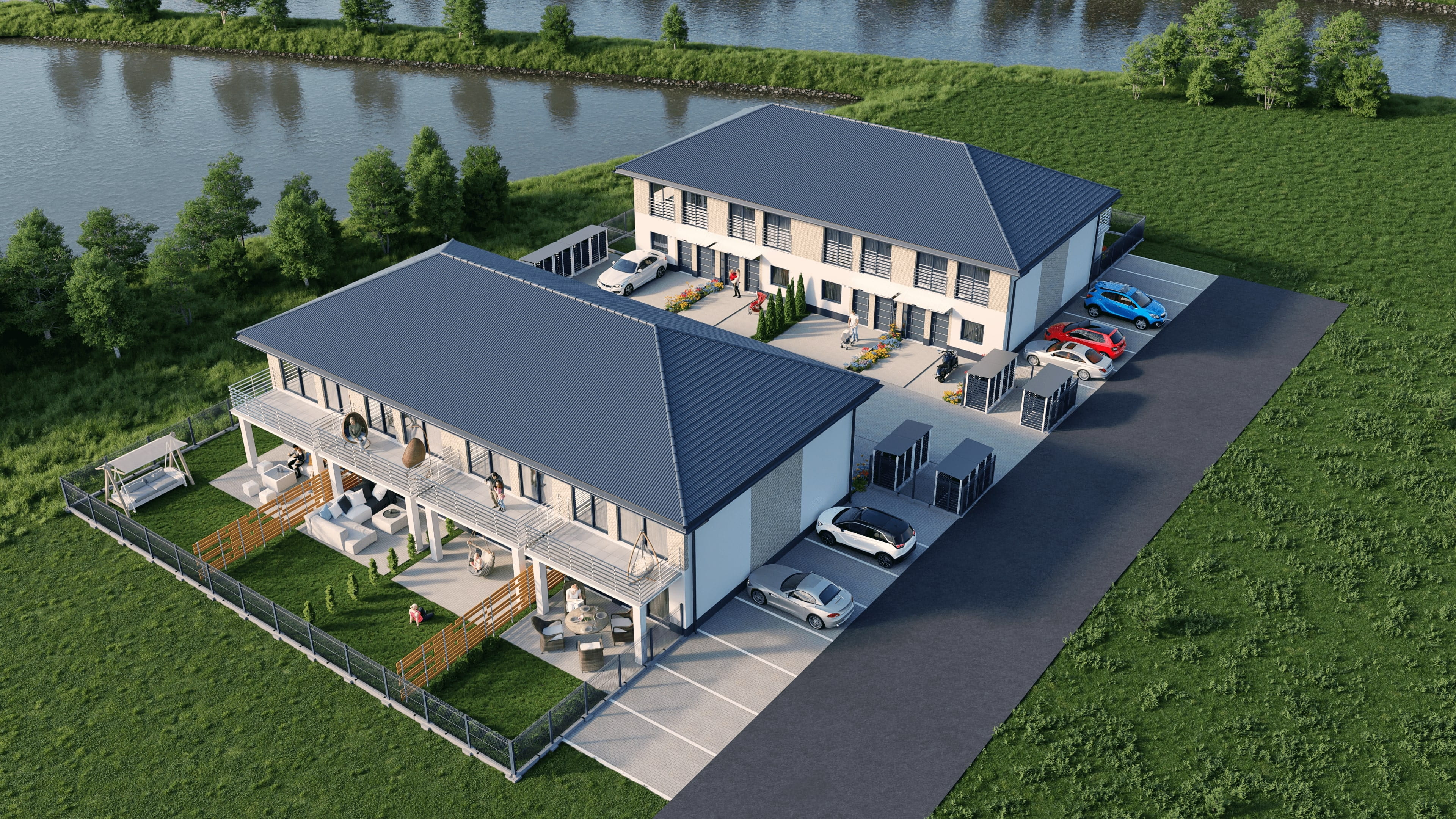
The greatest advantage of photorealistic 3D visualizations is their ability to provide an attractive, engaging presentation of architectural designs. Thanks to the wealth of details and the ability to render materials or lighting, they allow to fully reflect the character of the planned space. Their realism, and not infrequently animation 3D, effectively attract the attention of potential investors.
Such renderings are worth using not only to sell a particular idea, but also as material to enrich the portfolio after the project is completed. They show the craftsmanship and creativity of the architect.
By investing in professional 3D visualizations of the realization, you can gain an advantage over the competition, more easily attract principals and investors and better sell even the most unusual concepts.
It is now a must-have for the modern architect.
Learn more about photorealistic 3D visualizations.
FAQ – Most Frequently Asked Questions About 3D Visualizations for Architects
1. What are photorealistic 3D visualizations?
These are realistic computer-generated images of architectural designs that closely resemble real photographs – incorporating light, shadows, textures, and materials.